
Blog entry by Elvera Leventhal
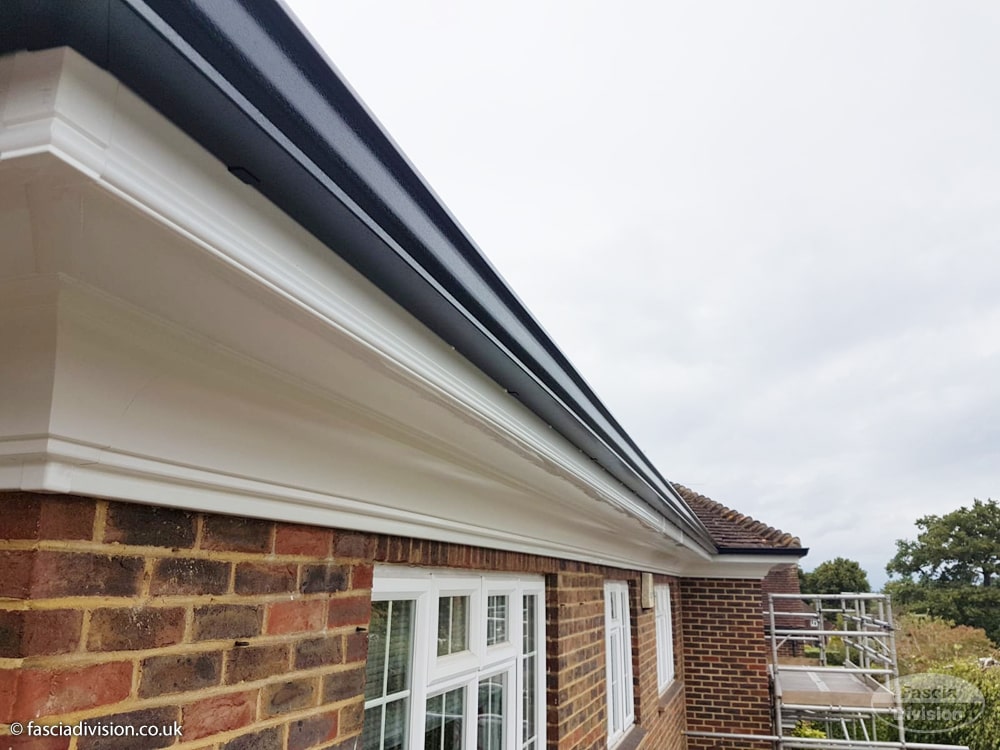
Understanding Wooden Fascias: An Informative Guide
Wooden fascias are an essential part of a structure's outside, playing both a practical and visual function. This post will provide a comprehensive introduction of wooden fascias, exploring their function, types, benefits, installation processes, and maintenance ideas. It will likewise address a few of the frequently asked concerns surrounding this necessary architectural aspect.
What Are Wooden Fascias?
Fascia boards are flat boards that are usually installed at the edge of the roofline, serving as a vital component of the overall roof. In a lot of cases, they are put horizontally and operate as a supporting element for the roofing system. Wooden fascias are specifically made from numerous types of wood and can be visually enticing, boosting the architectural character of a structure.
Functionality of Wooden Fascias
These boards serve several purposes:
Protection: Wooden fascias secure the underlying structure from water, bugs, and other environmental components. They serve as a barrier to avoid wetness from entering the roofing space.
Assistance: They supply a continuous surface area to connect gutter systems, helping in water drain away from the building.
Aesthetic Appeal: An ornamental fascia includes visual value to a home, offering it a polished and completed look.
Kinds Of Wooden Fascias
Various types of wooden fascias accommodate differing aesthetic desires and practical requirements. Here are some common types:
| Type of Fascia | Description |
|---|---|
| Solid Wood Fascias | Made from high-quality timber, offering sturdiness and charm. |
| Engineered Wood Fascias | Made up of compressed wood fibers, they can simulate the appearance of natural wood while offering boosted durability. |
| Dealt With Wood Fascias | Wood that has been chemically dealt with to withstand rot and bug damage, ensuring a longer life expectancy. |
| Composite Fascias | Made from a mix of wood and artificial materials, offering low maintenance while keeping a wooden look. |
Advantages of Wooden Fascias
Visual Versatility: Wooden Fascias - click through the next site, can be stained or painted in numerous colors, ensuring that they match or boost the appearance of a home.
Natural Insulation: Wood has insulating properties, adding to energy efficiency in property structures.
Eco-Friendliness: If sourced from sustainably handled forests, wooden fascias can be an eco-friendly building material.
Modification: They can be easily formed and modified to fit special design requirements.
Repairability: Unlike some products, wood can be sanded, stained, or painted, making it much easier to repair small damages.
Installation Process for Wooden Fascias
Proper installation of wooden fascias is vital to make sure durability and effectiveness. Below are the basic actions associated with setting up wooden fascias:
Preparation: Remove any old fascia boards and inspect the underlying structure for indications of damage.
Determining and Cutting: Measure the length of the location where the fascia will be set up and cut the wooden boards accordingly.
Priming and Painting: It is recommended to prime and paint the fascias before installation to avoid moisture damage.
Attaching: Secure the fascia boards to the underlying structure utilizing nails or screws, ensuring they are level and directly.
Sealing and Finishing: Finish the edges with caulking to seal any gaps and safeguard versus water ingress.
Setting up Gutters (if appropriate): Once the fascias are in location, set up the gutter system, ensuring it is sufficiently sloped for drain.
Maintenance of Wooden Fascias
To lengthen the life-span and keep the visual appeal of wooden fascias, regular maintenance is essential. Here are some maintenance tips:
Regular Inspection: Check for indications of rot, wetness damage, or insect infestations. Inspect the fascias a minimum of when a year.
Cleaning: Clean the fascias occasionally to remove dirt, mold, and mildew. Use a soft fabric and avoid abrasive products that could scratch the surface.
Repainting and Sealing: Over time, the paint or sealant may diminish. Repaint every couple of years to keep protection versus moisture.
Address Damages Promptly: If damage occurs, address it immediately to reduce repair costs and structural damage.
FAQs About Wooden Fascias
1. What is the very best kind of wood for fascias?
Cedar and pine are popular options due to their strength and accessibility. Cedar is naturally resistant to rot, while treated pine is affordable and long lasting.
2. How often should wooden fascias be painted?
It is suggested to repaint wooden fascias every 5 to 7 years, depending on the environment and direct exposure to the elements.
3. Can I install wooden fascias myself?
While DIY installation is possible, employing a professional makes sure that the installation is done properly, lowering the possibility of future repairs.
4. Do wooden fascias need insulation?
While wooden fascias can supply some insulation, they are typically not used as main insulation products for roofs.
5. What concerns occur from badly kept fascias?
Poor maintenance can lead to moisture accumulation, which may trigger rot, drawing in bugs, and eventually causing structural damage.
Wooden fascias are a crucial element of any building's roof, integrating performance with visual appeal. Comprehending the different types, benefits, installation processes, and maintenance practices can assist house owners and home builders make informed decisions. By choosing the ideal type of fascias and looking after them correctly, one can ensure that their wooden fascias boost and secure their home for numerous years to come.