
Site blog
What is high blood pressure?
If you’re like most people, you’re probably unaware of how common high blood pressure is. In fact, according to the American Heart Association, nearly half of all adults in the US have hypertension (a blood pressure level greater than 140/90 mmHg).
While it may seem like a minor condition, high blood pressure can have serious consequences if not treated properly. So when should you seek medical attention for high blood pressure?
Nowadays, there is a lot of supplements information available on the internet about hypertension and its various symptoms. If you think you may have hypertension, it’s always a good idea to consult your doctor. However, if you are already taking medications for your high blood pressure and don’t experience any significant symptoms, there is no need to rush to the doctor. In fact, some people find that self-treatment works just as well as professional treatment.
So what should you do if you experience any signs or symptoms of hypertension? The first step is to see your doctor and get checked out. If your blood pressure level is elevated but isn’t severe enough to warrant immediate medical attention, continue to monitor your blood pressure over time. If your blood pressure

Causes of high blood pressure
When it comes to high blood pressure, there's no one-size-fits-all answer. That's because what's considered high on one person may not be high enough for someone else. In general, however, if your blood pressure is above 130/80 mmHg, you should seek medical attention. Here are some other factors that can increase your risk of developing high blood pressure: being overweight or obese
a family history of hypertension
excessive alcohol use
stress
being sedentary
having a chronic disease (like heart failure, arthritis, or diabetes) that causes inflammation in the body One common cause of high blood pressure is called essential hypertension. Essential hypertension is caused when the arteries that supply blood to the heart become narrower over time due to aging or a number of other health problems. This can make it difficult for the heart to pump enough blood throughout the body. Other causes of high blood pressure include obesity and smoking. Over time, these habits can lead to increased levels of LDL ("bad") cholesterol and decreased levels of HDL ("good") cholesterol. These changes can lead to an increased risk of heart disease and stroke. If you have any questions about your own blood pressure level or whether it's elevated enough to warrant medical attention, speak with your doctor.
There are many reasons why someone might develop high blood pressure. Here are some of the most common:
• Age: As people age, their blood vessels tend to become narrower, which can make it harder for the blood to flow smoothly through their bodies. This can lead to higher blood pressure readings.
• Genetics: Some people are more likely than others to develop high blood pressure, whether because of inherited factors or because of lifestyle choices they make.
• Diseases and Conditions: High blood pressure can often be a sign of another health problem, such as heart disease or diabetes. If you have any other chronic conditions, such as asthma or kidney disease, your doctor may check your blood pressure regularly in order to monitor your progress and ensure that you are receiving the best care possible.
• Obesity: Being overweight increases the risk of developing high blood pressure, partly because being overweight puts extra stress on your circulatory system. Excess weight also causes your arteries to enlarge over time, making it harder for your heart to pump blood around your body.
• Smoking: Smokers are almost three times as likely as nonsmokers to develop high blood pressure, and smoking is a major factor in fattening up the arteries and increasing the risk of heart disease and stroke.
Symptoms of high blood pressure
If you're experiencing any of the following symptoms, it's time to seek medical attention for high blood pressure:
• Chest pain
• Shortness of breath
• Sweating
• Rapid heart rate
• Headache
If you experience any of these symptoms and your blood pressure is greater than 130/85 mmHg, it's important to see a doctor as soon as possible.
How to check your blood pressure
If you have hypertension, your blood pressure is too high. Blood pressure is measured in millimeters of mercury (mm Hg). The higher the number, the worse the situation. Normal blood pressure ranges from 120-80 mm Hg. If your blood pressure is above 140/90 mm Hg or if you experience symptoms such as chest pain, shortness of breath, and swelling of the feet or hands, you should seek medical attention.
What to do if you have high blood pressure
If you suspect that you have high blood pressure, it is important to seek medical attention. High blood pressure can be caused by many factors, such as age, weight, diet, and family history. If left untreated, high blood pressure can lead to heart disease and stroke. Here are some tips on how to get treatment for high blood pressure:
1. Identify the source of your high blood pressure. Are you overweight? Do you have a family history of hypertension? Are you eating a poor diet?
2. Check your blood pressure regularly. Make sure to check your blood pressure at least once a month or when you notice any change in your symptoms.
3. Follow your doctor's advice on lifestyle changes and medications for high blood pressure. Some lifestyle changes that may help reduce your risk of heart disease include losing weight, quitting smoking, and exercising regularly. Medications for high blood pressure may include ACE inhibitors (such as enalapril), beta blockers (such as propranolol), or angiotensin converting enzyme inhibitors (ACEIs; such as captopril).
4. Seek emergency medical attention if your BP shoots up over 200/100 mmHg or if you experience chest pain, shortness of breath, fainting, numbness or tingling in one arm or leg, or difficulty breathing..
If you have high blood pressure, it is important to seek medical attention as soon as possible. There are many things you can do to lower your blood pressure on your own, but if it remains high despite these efforts, you should see a doctor. Here are some tips to help you get the best care for your high blood pressure:
1. Get checked regularly. It is important to be checked regularly for high blood pressure so that it can be treated early. This means checking your blood pressure at least once a month and more often if your readings are consistently higher than 130/80 mmHg or if you experience other symptoms such as chest pain or fatigue.
2. Follow a healthy diet and exercise plan. A healthy diet and regular exercise can both help to lower your blood pressure. Make sure to eat a balanced diet and include plenty of fruits and vegetables in your meals. Exercising regularly can help to reduce stress and improve your overall health.
3. Take prescribed medications as directed. If high blood pressure is not controlled with lifestyle changes alone, medications may be necessary. Prescription medications can include beta blockers (such as propranolol), angiotensin converting enzyme inhibitors (ACE inhibitors) or angiotensin receptor blockers (ARBs), calcium channel blockers (CCBs), angiotensin receptor antagonists (ARA), or digitalis compounds such as digoxin. Always follow the directions of your doctor carefully, because medication dosages and schedules can
Home remedies for high blood pressure
If you have high blood pressure, it’s important to know when to seek medical attention. While most cases of high blood pressure can be managed with lifestyle changes, medications, or surgery, if your blood pressure levels are consistently high or if the condition is causing significant problems, you should see a doctor. High blood pressure can be diagnosed by measuring your blood pressure at home using a sphygmomanometer. If you think you may have high blood pressure, contact your doctor for a diagnosis and instructions on how to manage your condition. Here are some home remedies for high blood Pressure:
1. Elevate your feet during sleep: One study showed that people with hypertension who slept on their stomachs had significantly higher blood pressures than those who slept on their backs. When you elevate your feet, you help reduce congestion in the lower body and improve circulation.
2. Drink plenty of fluids: Dehydration is a common cause of hypertension, so make sure to drink enough water and other fluids every day. The Centers for Disease Control and Prevention recommends at least 64 ounces (2 liters) per day for men and 38 ounces (1 liter) per day for women over age 19 years old.
3. Eat more fruits and vegetables: Along with being low in calories, fruits and vegetables are also low in sodium, which can help control hypertension.
4. Exercise regularly: Regular exercise has been shown to help lower blood pressure levels in both hypertensive patients and
Medications for high blood pressure
When it comes to managing high blood pressure, there are a variety of medications available that can be effective. Some people may find that taking regular medication such as a beta blocker or calcium channel blocker is all they need to get their blood pressure under control. Other people may benefit from medications that work in combination, like angiotensin converting enzyme inhibitors and calcium channel blockers.
It’s important to know when to seek medical attention for high blood pressure. If your blood pressure is above the norm for you or if you have any signs or symptoms of hypertension such as chest pain, shortness of breath, or rapid heart rate, it’s worth checking in with your doctor.
If you have high blood pressure, it's important to seek medical attention as soon as possible. High blood pressure can lead to stroke, heart attack, and other serious health problems. The best way to know if you have high blood pressure is to get your blood pressure checked regularly using a standard blood pressure monitor. If your readings are above 130/85 mmHg, you should see a doctor.
There are many different medications available to treat high blood pressure. Your doctor will determine the best treatment for you based on your individual symptoms and medical history. Some common treatments include angiotensin converting enzyme inhibitors (ACE inhibitors), angiotensin receptor blockers (ARB), calcium channel blockers (CCBs), beta blockers, diuretics, and statins. Many people find that having regular checkups and taking their medications as prescribed helps them manage their high blood pressure effectively.
If you are experiencing symptoms of high blood pressure, such as chest pain, shortness of breath, orvere headaches, you should contact your healthcare provider. If the pressure is severe or if you have diabetes, kidney disease, heart problems, stroke, or a brain aneurysm, you may need to see a doctor immediately. Your healthcare provider will check your blood pressure and other symptoms to determine the best treatment for you. There are several types of medications that can be used to lower blood pressure. Some people only need to take medication for a short period of time while others may need to take it for the rest of their lives. It is important to discuss your options with your healthcare provider before starting any type of medication.
Conclusion
If you are experiencing dizziness, lightheadedness, or shortness of breath, it is important to see a physician right away. If these symptoms persist over the course of two weeks or if they develop into life-threatening complications such as heart attack, stroke, or kidney failure, it is time to seek medical attention. By following a few simple steps and getting screened for high blood pressure regularly, you can help ensure that your health remains on track and that any necessary treatment proceeds swiftly.
Introduction to the Burning Bush Supplement
Welcome to the ultimate guide on how to maximize your weight loss with the Burning Bush supplement. As a fellow weight loss enthusiast, I've tried countless diets, exercises, and supplements in my journey to lose weight. And now, I want to share my experience with the Burning Bush supplement that has been a game changer for my health and fitness journey.
In this article, I will go through the steps I took to make the most of this supplement and share tips and tricks that have worked for me. So, let's dive in and explore how you can maximize your weight loss with the Burning Bush supplement.
Understanding the Science Behind Burning Bush
Before we delve into the practical tips, it's essential to understand the science behind the Burning Bush supplement. This will help you appreciate how it works and how it can aid you in your weight loss journey.
Burning Bush is a natural supplement made from an extract of the Euonymus alatus plant, also known as winged spindle or burning bush. The key ingredient in this supplement is a compound called d-methyl-phenylethylamine (DMPA), which has been shown to increase metabolism, suppress appetite, and improve energy levels. With these effects, Burning Bush can be a useful tool to help you achieve your weight loss goals.
Setting Realistic Weight Loss Goals
One of the most important aspects of any weight loss journey is setting realistic goals. This is crucial because it helps you stay motivated and focused, and it prevents you from feeling overwhelmed or discouraged.
When setting your goals, consider factors such as your current weight, lifestyle, and overall health. Set both short-term and long-term goals, and make sure they are achievable and measurable. For example, losing 1-2 pounds per week is a realistic short-term goal, while losing 50 pounds in six months is a long-term goal. Remember, the Burning Bush supplement is a tool to help you reach your goals, not a quick fix or miracle solution.
Combining Burning Bush with a Healthy Diet
While the Burning Bush supplement can help boost your metabolism and suppress your appetite, it's essential to combine it with a healthy and balanced diet for maximum results. This means consuming a variety of fruits, vegetables, lean proteins, whole grains, and healthy fats.
It's also crucial to monitor your portion sizes and avoid overeating. One way to do this is by using smaller plates and bowls, as this can help trick your brain into thinking you're eating more than you actually are. Additionally, consider tracking your calorie intake to ensure you're creating a calorie deficit, which is vital for weight loss.
Incorporating Exercise into Your Routine
Exercise is a crucial component of any weight loss journey, and it's essential to incorporate it into your daily routine when using the Burning Bush supplement. Aim for at least 150 minutes of moderate-intensity aerobic activity or 75 minutes of vigorous-intensity aerobic activity per week, along with muscle-strengthening activities on two or more days a week.
Find activities that you enjoy, such as swimming, dancing, or hiking, to make exercise more enjoyable and sustainable. Not only will exercise help you burn calories and lose weight, but it will also improve your overall health and well-being.
Staying Hydrated
Drinking plenty of water is essential for weight loss, as it helps flush out toxins, improves digestion, and boosts metabolism. Additionally, staying hydrated can help you feel fuller, reducing the likelihood of overeating.
As a general guideline, aim to drink at least eight unce glasses of water per day. However, your individual water needs may vary depending on factors such as your weight, activity level, and climate. Consider using a water tracking app or setting reminders on your phone to ensure you're meeting your hydration goals.
Managing Stress and Getting Enough Sleep
Stress and lack of sleep can both negatively impact your weight loss efforts. High levels of stress can lead to emotional eating and the release of the hormone cortisol, which can cause weight gain. Similarly, a lack of sleep can disrupt your hormones and lead to increased hunger and cravings.
Therefore, it's crucial to prioritize stress management and sleep while using the Burning Bush supplement. Consider incorporating relaxation techniques, such as meditation, yoga, or deep breathing exercises, into your daily routine. Additionally, aim for 7-9 hours of quality sleep per night to support your weight loss journey.
Tracking Your Progress and Adjusting as Needed
Throughout your weight loss journey with the Burning Bush supplement, it's essential to track your progress and make adjustments as needed. Regularly weigh yourself, take body measurements, and monitor how you feel both physically and mentally.
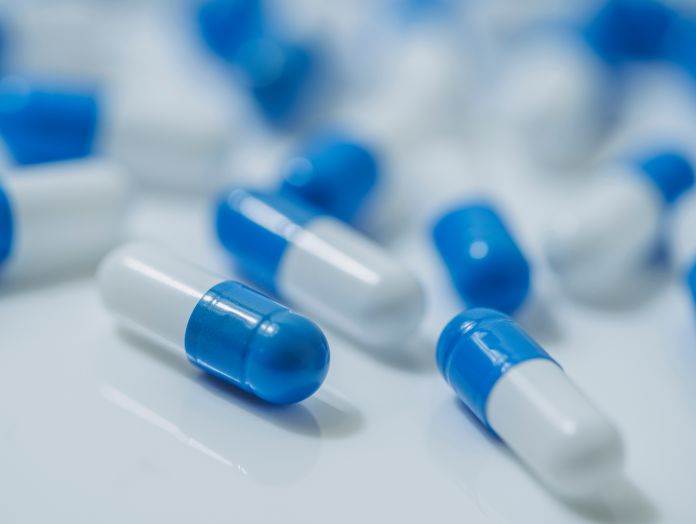
If you find that you're not making progress or hitting a plateau, don't be discouraged. Instead, reassess your goals, diet, and exercise routine and make changes as needed. Remember, weight loss is a journey, and it's okay to make adjustments along the way.
Conclusion
In conclusion, the Burning Bush supplement can be a valuable tool to help you achieve your weight loss goals. By understanding the science behind it, setting realistic goals, terveysneuvonta and combining it with a healthy diet, exercise, proper hydration, stress management, and sleep, you can maximize your weight loss results. Don't forget to track your progress and adjust as needed, and remember that weight loss is a journey, not a destination. Stay committed, stay positive, and you'll be well on your way to achieving your weight loss goals with the help of the Burning Bush supplement.
Introduction to Henbane: The Miracle Herb
As someone who has always been interested in natural remedies and dietary supplements, I was intrigued when I first heard about henbane. I decided to dive deeper into the world of this miraculous herb and was simply amazed by what I discovered. In this article, we'll explore the miraculous benefits of henbane and why it's a must-have dietary supplement for anyone looking to improve their overall health and well-being. So, let's get started!
A Brief History of Henbane
Henbane, also known as Hyoscyamus niger, has a long and fascinating history. This herb has been used for centuries in traditional medicine across various cultures, including ancient Egypt, Greece, and Rome. It was believed to have powerful medicinal properties, and was even considered sacred by some. In this section, we'll take a brief look at the history of henbane and how its use has evolved over time.
Henbane for Mental Wellness
One of the most significant benefits of henbane is its ability to promote mental wellness. This herb has been used in traditional medicine to treat a variety of mental health issues, such as anxiety, depression, and insomnia. It is believed that the compounds found in henbane can help to regulate mood and promote feelings of relaxation and calmness. If you're struggling with stress or anxiety, adding henbane to your daily routine may just be the natural solution you've been searching for.
Enhancing Cognitive Function with Henbane
Another incredible benefit of henbane is its potential to enhance cognitive function. Studies have shown that the compounds found in this herb can help to improve memory, focus, and overall brain function. This makes henbane an excellent supplement for those looking to give their brain a natural boost. Whether you're a student, a busy professional, or simply someone looking to support their mental faculties, henbane may be the perfect addition to your daily routine.
Henbane for Digestive Health
Did you know that henbane can also support a healthy digestive system? This powerful herb has been used for centuries to treat a variety of gastrointestinal issues, such as indigestion, stomach cramps, and bloating. The compounds found in henbane can help to soothe the digestive tract and promote regular bowel movements, making it a fantastic natural remedy for Links those struggling with digestive discomfort.
Boosting the Immune System with Henbane
Another amazing benefit of henbane is its ability to support a healthy immune system. This herb has been shown to have powerful antibacterial and antiviral properties, making it an excellent supplement for fighting off common illnesses and infections. By incorporating henbane into your daily routine, you can help to give your immune system the natural boost it needs to keep you feeling your best all year round.
Henbane for Pain Relief
If you're dealing with chronic pain or inflammation, henbane may be the natural solution you've been searching for. This herb has been used for centuries to treat a variety of painful conditions, such as arthritis, muscle pain, and even toothaches. The compounds found in henbane can help to reduce inflammation and provide natural pain relief, making it a fantastic alternative to traditional pain medications.
Henbane for Respiratory Health
Henbane isn't just great for mental wellness, digestion, and pain relief – it can also support a healthy respiratory system. This herb has been used in traditional medicine to treat a variety of respiratory issues, such as asthma, bronchitis, and even the common cold. By incorporating henbane into your daily routine, you can help to keep your lungs healthy and breathe easier.
How to Add Henbane to Your Daily Routine
Now that you know all about the incredible benefits of henbane, you're probably wondering how you can start incorporating it into your daily routine. There are many different ways to enjoy this powerful herb, including teas, tinctures, and capsules. In this section, we'll explore some of the most popular methods for adding henbane to your diet and how you can get started today.
Final Thoughts on the Miraculous Benefits of Henbane
As you can see, henbane is truly a miraculous herb with a wide range of incredible health benefits. Whether you're looking to improve your mental wellness, support your digestive system, or simply give your immune system a natural boost, this powerful dietary supplement is definitely worth considering. So why not give henbane a try and experience its miraculous benefits for yourself?
Understanding Sweet's Syndrome
Sweet's syndrome, also known as acute febrile neutrophilic dermatosis, is a rare skin condition that typically involves a sudden onset of painful, red skin lesions. These lesions may occur anywhere on the body but are most commonly found on the arms, legs, and face. The exact cause of Sweet's syndrome is not well understood, but it is thought to be related to an overactive immune response. In some cases, Sweet's syndrome may be triggered by an underlying infection, cancer, or another medical condition.
Common symptoms of Sweet's syndrome include fever, joint pain, and the appearance of red, swollen, and painful skin lesions. These lesions can range in size from small bumps to large, painful ulcers. In addition to the skin, the eyes, mouth, and internal organs may also be affected in some cases. The condition is diagnosed through a combination of medical history, physical examination, and skin biopsy. Treatment typically involves medications that help to reduce inflammation and suppress the immune system.
Dapsone: An Overview
Dapsone is an antibiotic that belongs to the class of drugs called sulfones. It has been used for many years to treat various medical conditions, including leprosy, dermatitis herpetiformis, and certain types of pneumonia. In addition to its antibacterial properties, dapsone has also been found to have potent anti-inflammatory and immunosuppressive effects. This makes it a valuable treatment option for several inflammatory and autoimmune skin conditions, including Sweet's syndrome.
When used to treat Sweet's syndrome, dapsone works by reducing the activity of inflammatory cells called neutrophils. This helps to decrease the inflammation and pain associated with the skin lesions. Dapsone is typically taken as an oral tablet, with the dosage and duration of treatment determined by the severity of the condition and the patient's overall health.
Effectiveness of Dapsone in Treating Sweet's Syndrome
Several studies and case reports have shown that dapsone can be an effective treatment for Sweet's syndrome. In many cases, patients experience a rapid improvement in their symptoms within just a few days of starting dapsone therapy. This rapid response is particularly beneficial for those who are experiencing severe pain or are at risk for complications related to their skin lesions.
However, it should be noted that dapsone may not be effective for everyone with Sweet's syndrome and that some patients may require additional treatments to manage their symptoms. Additionally, the long-term effectiveness of dapsone in preventing the recurrence of Sweet's syndrome has not been well studied, and further research is needed in this area.
Possible Side Effects of Dapsone
Like any medication, dapsone can cause side effects in some patients. Common side effects of dapsone include headache, dizziness, and gastrointestinal symptoms such as nausea, vomiting, and diarrhea. These side effects are generally mild and may improve over time as the body adjusts to the medication.
More serious side effects of dapsone can include anemia, liver problems, and a potentially life-threatening condition called methemoglobinemia, which affects the ability of red blood cells to carry oxygen. Patients taking dapsone should be closely monitored for these side effects, and any concerns should be reported to their healthcare provider immediately.
Monitoring and Follow-up During Dapsone Treatment
It is important for patients taking dapsone to be closely monitored by their healthcare provider throughout their treatment. This may include regular blood tests to check for any changes in blood cell counts or liver function. Patients should also be advised to report any new or worsening symptoms to their healthcare provider right away, as this may indicate a need for adjustments to their treatment plan.
Once the symptoms of Sweet's syndrome have resolved, dapsone treatment may be gradually tapered off under the guidance of a healthcare provider. However, some patients may require long-term treatment to prevent the recurrence of their symptoms. Regular follow-up appointments are important to ensure that the patient's condition remains well-controlled and to monitor for any potential side effects of treatment.
Alternative Treatments for Sweet's Syndrome
While dapsone can be an effective treatment for many patients with Sweet's syndrome, it may not be suitable for everyone. In some cases, alternative treatments may be recommended to help manage the condition. These may include other medications such as corticosteroids, nonsteroidal anti-inflammatory drugs (NSAIDs), and immunosuppressive agents like cyclosporine.
In addition to pharmacological treatments, supportive care measures such as pain management, wound care, and the use of compression garments and/or topical therapies can also help to alleviate some of the symptoms of Sweet's syndrome. It is important for patients to work closely with their healthcare provider to determine the most appropriate treatment plan for their individual needs.

Living with Sweet's Syndrome
Living with Sweet's syndrome can be challenging, particularly during flare-ups of the condition. However, with appropriate treatment and management, many patients are able to achieve a good quality of life. It is important for patients to maintain regular follow-up appointments with their healthcare provider and to report any new or worsening symptoms promptly.
Additionally, patients may benefit from connecting with others who have Sweet's syndrome through support groups, online forums, or social media. Sharing experiences and coping strategies can provide valuable emotional support and Legal Tips help to reduce feelings of isolation that can sometimes accompany a rare medical condition.
Understanding Hyaluronic Acid and Its Significance
Before we dive into the amazing benefits that hyaluronic acid has to offer, it's essential to first understand what it is. This naturally occurring substance is found in our skin, connective tissues, and eyes. It's primary role is to retain water to keep our tissues well lubricated and moist. However, as we age, the production of hyaluronic acid in our body decreases, leading to dryness, wrinkles, and other signs of aging. Thankfully, hyaluronic acid supplements are here to save the day!
The Role of Hyaluronic Acid in Skin Health
One of the most notable benefits of hyaluronic acid is its ability to maintain skin health. Being a humectant, it's fantastic at retaining moisture, making our skin look plump, hydrated, and youthful. It also aids in the production of collagen, a protein responsible for skin elasticity. By taking hyaluronic acid supplements, we can effectively combat wrinkles, fine lines, and other signs of aging.
Hyaluronic Acid for Joint Health
But hyaluronic acid isn't just for our skin. It also plays a crucial role in maintaining our joint health. It acts as a cushion and lubricant in the joints and other tissues. As we age, the amount of hyaluronic acid in our joints starts to reduce, leading to joint pain and stiffness. But by supplementing with hyaluronic acid, we can help alleviate these issues.
The Impact of Hyaluronic Acid on Eye Health
Our eyes also contain a high concentration of hyaluronic acid. It helps to maintain eye health by ensuring that they are well lubricated. People suffering from dry eyes can greatly benefit from taking hyaluronic acid supplements.
Boosting Wound Healing with Hyaluronic Acid
Did you know that hyaluronic acid can also speed up the healing process of wounds? It does this by regulating inflammation levels and signaling the body to build more blood vessels in the damaged area. It also has antibacterial properties, which can help reduce the risk of infection.
Relief from Acid Reflux with Hyaluronic Acid
Acid reflux can be quite uncomfortable. But here's where hyaluronic acid comes into play again. Studies show that it can help soothe the lining of the esophagus, providing relief from the burning sensation often associated with acid reflux.
The Role of Hyaluronic Acid in Bone Health
Emerging research suggests that hyaluronic acid can also support bone health. It's believed to help preserve bone strength and prevent age-related bone loss. While more studies are needed to fully understand this benefit, it's another great reason to consider taking hyaluronic acid supplements.
Hyaluronic Acid for Hair Health
Finally, let's not forget about the potential benefits of hyaluronic acid for our hair. It helps to keep the scalp well hydrated, promoting healthy, shiny, disease treatments and lustrous hair. If you're struggling with dry, dull hair, hyaluronic acid could be the solution you're looking for.
Choosing the Right Hyaluronic Acid Supplement
With so many hyaluronic acid supplements on the market, choosing the right one can be a bit overwhelming. But don't worry, I'm here to help. When choosing a supplement, make sure it's from a reputable brand that values quality and transparency. Also, consider consulting with a healthcare professional to determine the right dosage for you. Remember, while hyaluronic acid is generally safe, it's always best to consult with a professional before starting any new supplement regimen.
Introduction: Understanding Bisacodyl and its Effects
As a responsible individual concerned about my gut health, I often hear about various medications and supplements that claim to improve digestion and promote regular bowel movements. One of these medications, bisacodyl, is a commonly recommended over-the-counter laxative. However, I've always wondered about the long-term effects of bisacodyl on gut health. In this article, I will explore the benefits and potential risks associated with prolonged use of this popular laxative.
How Does Bisacodyl Work?
Bisacodyl is a stimulant laxative that works to alleviate constipation by increasing the movement of the intestines. This action helps to soften the stool, making it easier to pass through the digestive system. The medication is typically taken in tablet form or as a suppository, and its effects can be felt within a few hours of consumption. While bisacodyl is generally considered safe for short-term use, it's important to understand the potential long-term effects on gut health before incorporating it into a regular routine.
Benefits of Bisacodyl for Gut Health
Short-term use of bisacodyl can provide immediate relief from constipation and promote regular bowel movements. This can be especially beneficial for individuals who suffer from occasional bouts of constipation due to factors such as stress, dehydration, or changes in diet. By ensuring that the digestive system is functioning optimally, bisacodyl can help to prevent complications such as hemorrhoids and anal fissures, which can result from chronic constipation.
Potential Risks of Long-term Bisacodyl Use
While bisacodyl can be an effective solution for short-term constipation relief, long-term use can potentially lead to some negative effects on gut health. These may include:
Dependency
Regular use of bisacodyl and other stimulant laxatives can cause the muscles in the intestines to become reliant on the medication to function properly. This can lead to a decreased ability to have a bowel movement without the assistance of a laxative, which can ultimately result in a vicious cycle of dependency and worsening constipation.
Electrolyte Imbalance
Long-term use of bisacodyl can lead to an imbalance of electrolytes, such as potassium and sodium, in the body. These electrolytes play a crucial role in maintaining proper hydration levels and ensuring that the muscles and nerves function properly. An electrolyte imbalance can lead to symptoms such as muscle cramping, weakness, and irregular heartbeat, which can be potentially dangerous if left untreated.
Alteration of Gut Microbiota
Emerging research suggests that long-term use of bisacodyl may negatively impact the delicate balance of bacteria in the gut. These microbes play a crucial role in maintaining overall gut health and digestion, and a disruption in their balance can lead to a variety of gastrointestinal issues, such as bloating, gas, and diarrhea.
Alternative Treatments for Constipation
Given the potential risks associated with long-term bisacodyl use, it's important to consider alternative treatments for constipation that can be more sustainable and less harmful to gut health. Some possible options include:
Dietary Changes
Incorporating more fiber-rich foods, such as fruits, vegetables, and whole grains, into the diet can help to promote regular bowel movements and prevent constipation. Additionally, staying properly hydrated by drinking plenty of water can help to soften the stool and make it easier to pass.
Physical Activity
Regular exercise is another effective way to promote healthy digestion and prevent constipation. Physical activity helps to stimulate the muscles in the intestines, which can improve their function and facilitate more regular bowel movements.
Probiotics
Probiotic supplements, which contain beneficial bacteria, can help to maintain a healthy balance of gut microbiota and promote overall gut health. These supplements can be particularly helpful Prednisolone Safety: Expert Pharmacist Tips for Effective Therapy individuals who have experienced a disruption in their gut bacteria due to factors such as antibiotic use or long-term laxative dependency.
Consulting a Healthcare Professional
While it's important to be proactive in maintaining gut health, it's also crucial to consult a healthcare professional before making any significant changes to one's routine or incorporating new medications or supplements. A healthcare provider can help to identify the underlying cause of constipation and recommend the most appropriate treatment plan, which may include a combination of lifestyle changes, dietary modifications, and, if necessary, the short-term use of laxatives such as bisacodyl.
Conclusion
Ultimately, while bisacodyl can be an effective short-term solution for constipation relief, it's important to be aware of the potential long-term effects on gut health. By exploring alternative treatments and working closely with a healthcare professional, individuals can find a more sustainable and healthy approach to maintaining regular bowel movements and promoting overall gut health.
What are the effects of high blood pressure on the eyes?
High blood pressure (HBP) is a common problem that affects millions of people all over the world. It’s one of the leading causes of death, and it often goes untreated.
One of the most serious effects of high blood pressure is damage to the eyes. Here are five ways high blood pressure can damage your vision:
1. High blood pressure can increase your risk of glaucoma, a condition in which increased fluid pressure inside the eye leads to permanent damage to the optic nerve.
2. High blood pressure can cause macular edema, or swelling in the layer of tissue that covers and protects the retina of your eye.
3. High blood pressure can cause cataracts, a clouding of the lens in your eyes that can seriously impair your vision.
4. High blood pressure can damage arteries in your eyes, leading to blindness if not treated.
5. High blood pressure can also lead to retinopathy, a disease in which damage occurs to the innermost layer of the retina, which can cause blindness if not treated.
Causes of high blood pressure in the eyes
High blood pressure in the eyes can have many effects, 9 Bessere Alternativen zu Amoxil im Jahr 2024: Was Sie Wissen Sollten including increased risk of stroke, blindness, and kidney disease. Here are five main causes of high blood pressure in the eyes:
1. Retinal artery occlusion. This is when a Blockage or Defect in an Arterial Blood Vessel Occurring Near the Eye Causes Significant Elevation of Blood Pressure Within the Eye.
2. High blood cholesterol levels. HDL (good) cholesterol helps to protect our arteries by removed excess LDL (bad) cholesterol from them. A high blood cholesterol level increases your risk for heart disease and stroke, both of which can damage your retina.
3. Age-related eye disease. As we age, our eyes become more prone to developing conditions such as cataracts and age-related macular degeneration (AMD). These conditions can lead to high blood pressure and other health problems in the eyes.
4. Trauma to the eye or head. When an injury occurs to either the head or eye, serious bleeding may occur which raises blood pressure levels within the eye immediately vicinity of the injury site. In addition, long-term exposure to elevated pressures within the eye may cause damage over time to sensitive nerve cells and tissues within the retina that send visual messages to your brain..
How high blood pressure affects the eyes
High blood pressure can have serious effects on the eyes, including:
Reduced vision
Sight impairment
Eyelid problems, such as dryness and irritation
Visual impairment in older people is particularly common. In some cases, the damage can be irreversible.
One of the first signs that high blood pressure is affecting your eyes is if you start to experience vision problems. High blood pressure can cause blindness if it's not treated. It also causes swelling in the optic nerve, which can lead to loss of vision in one or both eyes. Other effects of high blood pressure on the eyes include:
- Glaucoma, an eye disease that occurs when increased fluid retention inside the eyeball causes damage to the optic nerve and eventually leads to loss of vision
- Cataracts, a cloudy condition in the lens of your eye that can result from high blood pressure, smoking, age, or other factors
- Pupils that are too large or small (hypopyon) due to high blood pressure
- Corneal ulcers, open sores on the surface of your eye caused by excessively high blood pressure
High blood pressure can lead to a number of health problems that affect the eyes, including:
-Narrowing of the eye's pupils, which reduces light exposure and can lead to decreased vision
-Reduced production of tears, which can make it more difficult to see in bright light and during daytime activities
-A decrease in the clarity of vision
There are several ways to prevent or treat high blood pressure's effects on the eyes. One way is to take medications prescribed by your doctor to lower your blood pressure. Other ways include dietary changes such as increasing fruits and vegetables in your diet and reducing saturated fats, exercising regularly, and managing stress levels. If you have high blood pressure, making sure you get regular checkups is also important to ensure your eyes are healthy.
Symptoms of high blood pressure in the eyes
High blood pressure in the eyes can cause a number of symptoms, including:
-Constriction of blood vessels in the eyes, which can lead to vision loss and reduced blood flow
-Blurred or decreased vision
-Eye pain
-Redness or swelling of the eyes
-Swelling and distortion of the optic disc (the center portion of the eye that contains the optic nerve)
High blood pressure has several effects on the eyes, including:
- decreased vision in the eye due to a decreased number of capillaries in the retina
- macular edema, or build-up of fluid in the macula (the center of the retina), which can lead to blindness
- glaucoma, an eye disease that causes increased pressure inside the eye and can eventually lead to blindness
- cataracts, a cloudy lens that can cause difficulty seeing.
Treatment for high blood pressure in the eyes
There are a few things you can do to help control high blood pressure in the eyes. First, make sure to keep your blood pressure under control by following your doctor's advice. Second, try to prevent high blood pressure from developing in the first place by getting regular exercise and eating a healthy diet. Finally, if high blood pressure is already present, there are a few treatments that can be used to help improve the quality of life for people with the condition.
One common treatment for high blood pressure in the eyes is medication. Many different types of medications are available to treat high blood pressure, and your doctor will select the one that is best suited for you. Some of these medications include diuretics (water pills), calcium channel blockers (to stop muscle contraction), ACE inhibitors (to reduce inflammation), beta blockers (to reduce heart rate), and angiotensin converting enzyme inhibitors (ACE inhibitors that also block angiotensin). Often, these medications need to be taken every day for long periods of time in order to be effective.
Sometimes lifestyle changes can also be helpful in controlling high blood pressure in the eyes. These changes may include exercising regularly, eating a healthy diet, and avoiding cigarettes and other forms of tobacco products. If lifestyle changes don't work or if medication isn't an option, surgery may be an option. In some cases, surgery may involve removing some of the fluids from around the eyes or using devices such as eyeglasses that restrict blood flow to
If you have high blood pressure, your eyes may be at risk. High blood pressure can cause narrowing of the arteries that supply blood to your eyes, and can also increase the risk of stroke in the eye. Treatment for high blood pressure in the eyes includes both lifestyle changes and medication.
Lifestyle changes include quitting smoking, losing weight, and exercising regularly. If you have high blood pressure, you should also eat a balanced diet and avoid alcohol and excessive sodium intake.
Medication can help treat high blood pressure in the eyes by lowering blood pressure levels. Some medications used to treat high blood pressure in the eyes include angiotensin converting enzyme inhibitors (ACE inhibitors), angiotensin receptor blockers (ARBs), beta blockers, calcium channel blockers (CCBs), and diuretics. It is important to speak with your doctor about which drug is best suited for you based on your individual health history and symptoms.
High blood pressure in the eyes can lead to eye damage, including glaucoma and retinal detachment. Treatment for high blood pressure in the eyes includes lifestyle changes, medications, and/or surgery. Medications that can be used to lower blood pressure include angiotensin converting enzyme inhibitors (ACE inhibitors), angiotensin receptor blockers (ARBs), calcium channel blockers (CCBs), and beta blockers. ACE inhibitors are the most commonly used medications for lowering blood pressure in the eyes. Surgery may be necessary if lifestyle changes or medications do not work well enough to lower blood pressure or if a serious complication develops from high blood pressure in the eyes.
Prevention of high blood pressure in the eyes
High blood pressure in the eyes can lead to a number of serious effects, including vision problems and even blindness. The high blood pressure also causes the eyeballs to become enlarged, leading to a decrease in vision. In some cases, the pressure can even cause an eye muscle to become permanently weak, which can result in loss of vision.
There are a number of things that you can do to prevent high blood pressure from affecting your eyesight. First, make sure that you have your blood pressure checked regularly. If you have high blood pressure, your doctor may be able to treat it with medication or surgery. Second, make sure that you keep your eyes healthy by getting regular eye exams and by avoiding things that can increase your blood pressure, such as smoking and drinking alcohol excessively. Lastly, let your doctor know if you experience any vision problems or if your eye muscle becomes weak.
High blood pressure in the eyes can lead to a number of effects, including blindness. High blood pressure in the eyes can also cause increased eye pressure, which can lead to vision loss. In some cases, high blood pressure in the eyes can be caused by other medical conditions, such as diabetes or heart disease. If you have high blood pressure and are concerned about its effects on your eyes, talk with your doctor about how to prevent high blood pressure from affecting your vision.
Conclusion
High blood pressure can have serious consequences for your eyes, including an increased risk of vision loss and glaucoma. If you are at risk for high blood pressure or if you are already experiencing its effects, make sure to get checked out by a doctor. There are many ways to prevent the negative effects of high blood pressure on your eyes, and with the help of a health care professional, you can take steps to improve your vision.
Birth control has been available for many years
Reproductive rights are a hot-button issue in the United States, with many people vehemently opposed to any sort of government interference in the individual’s right to have children.
But that doesn’t mean that everyone is on board with birth control. In fact, many states are now trying to get birth control banned, ostensibly because they believe it will decrease abortion rates.
So why are the states pushing this agenda? There are a few reasons, but one big reason is money. Birth control is expensive—both in terms of dollars and in terms of resources. By banning it, the states hope to make it more difficult for people to access contraception, and as a result, reduce the number of abortions.
It’s an uphill battle, to be sure. But if you care about reproductive rights and want to fight back against state attempts to ban contraception, you should know what’s going on and how you can help.
Religious groups have voiced their concerns about the use of birth control
Religious groups have voiced their concerns about the use of birth control, with some citing religious reasons as to why contraceptives should not be used. One such group is the Catholic Church, which has been strongly opposed to contraception since the 1960s. Recently, however, there has been a renewed push to get birth control banned in many states. The main argument against it is that it is sinful to prevent conception, and that it can lead to abortions. Religious groups argue that this is because contraception prevents fertilized eggs from becoming babies and therefore abortion could potentially occur. However, other groups argue that there are other ways to avoid getting pregnant without using contraception – such as using condoms or fertility awareness methods. Despite these opposing views, no state has yet succeeded in getting birth control outlawed altogether.
Religious groups have voiced their concerns about the use of birth control, with some asserting that it is a form of abortion. In spite of these objections, many contraception methods are available and effective, without any risk of abortion. Birth control methods that are considered to be abortifacients can include those that prevent fertilization (such as condoms) or those that terminate a pregnancy after implantation (such as the IUD).
Some religious groups contend that contraception is akin to abortion and should therefore not be allowed by law. They argue that birth control is only permissible if it does not lead to abortion, but this is not always possible to determine. Contraception can act as an abortifacient in some cases, and there is no way to know which methods are safe and which are not. Additionally, certain birth control methods may not be available in certain parts of the world where abortions may be more prevalent.
Many religious organizations advocated for abstinence-only education until recently, when they began voicing their concerns about contraception also being included in such programs. These organizations claim that sex education should focus on teaching abstinence instead of providing information about contraception. However, many experts believe that both approaches are necessary in order to reduce teenage pregnancies and STDs.
There are a number of contraceptives available without any risk of causing abortions. It is important to remember that contraceptives do not protect against other forms of sexual assault or diseases such as HIV/AIDS.
Some states are trying to get birth control banned because they think it is immoral
Some state legislators are trying to get birth control banned because they believe it is immoral. They believe that contraception is an assault on the sanctity of life and argue that it can lead to promiscuity. However, there is no evidence to support these claims. In fact, research has shown that contraception use reduces rates of abortion, teen pregnancies, and sexually transmitted infections (STIs). Birth control also allows women to focus on their education and careers instead of having to worry about getting pregnant. So why are these legislators trying to ban birth control? It’s likely because they don’t understand how contraception works or what the benefits are for women.
There are many different types of birth control
There are many different types of birth control, and they all work in different ways. There are many different types of contraceptives, including the pill, injections, implants, IUDs, and patches. Some contraceptives are reversible, while others are not. Some can be used in combination with other contraceptive methods to increase their effectiveness.
The states trying to get birth control banned argue that these methods are not effective enough. They claim that overall use of contraception leads to more broken families and less births overall. They also argue that these methods cause abortions (although this is disputed).
Many people believe that any form of contraception is better than no contraception at all. Others feel that the risks associated with some forms of contraception outweigh the benefits. It is important for everyone to make an informed decision about which contraceptive method is best for them.
The United States government is trying to get birth control banned in many different ways. Some states are trying to get it removed from the list of essential health benefits, which would make it more expensive for people to get. Others are trying to make it difficult for people to get contraception through insurance companies or through their jobs. Another way that the government is trying to stop people from getting birth control is Browse by category making it a crime to provide it.
There are many different types of birth control, and each one has different benefits and drawbacks. Some types of birth control, like condoms, are very effective at preventing pregnancy, but they also have some side effects, like getting rid of sexual pleasure. Other types of birth control, like hormonal birth Control pills or IUDs, work by stopping a woman's ovaries from releasing eggs. This can prevent pregnancies but it can also cause bad side effects, like uterine cancer. There are also other types of birth control like barrier methods (like condoms or the pill) that don't work as well as hormonal birth Control pills or IUDs but they're less likely to cause side effects.
Ultimately, what type of birth control a person chooses depends on their own personal needs and preferences. The best way to find out what type of contraception is right for you is by talking to your doctor or pharmacist about your options.
The United States has a long history of providing birth control to women
The United States has a long history of providing birth control to women. In 1917, the Woman’s Medical Department of the University of Illinois was the first in the United States to provide oral contraception to women. In 1965, the FDA approved available over-the-counter contraceptives, including oral contraceptive pills (OCPs). Additionally, health insurance companies have been required since 1974 to cover birth control as part of their standard packages for women. Many states have laws that protect access to contraception, and in some cases these laws include exemptions for religious beliefs or moral convictions. However, there is a campaign being waged by some state legislators to get birth control banned from all areas of society, including in reproductive healthcare clinics. This campaign is motivated by philosophical and religious objections rather than sound public health concerns.
There are legitimate public health concerns associated with banning birth control access for all women. For example, if birth control is not available, unplanned pregnancies will increase and abortions will increase as well. Additionally, women who cannot afford contraception will be more likely to become pregnant unintentionally or resort to unsafe methods such as early pregnancy termination (EPT) or backyard abortion procedures. These sorts of unintended pregnancies are often life-threatening and can lead to serious complications both during pregnancy and after childbirth. Banning access to contraception also sends a message that having an unplanned pregnancy is acceptable - something that is not true in most developed countries where contraception is readily available and affordable.
The United States has a long history of providing birth control to women, beginning with the first contraception pill available in 1960. The Affordable Care Act (ACA) includes provisions that require most employers to provide coverage for contraceptive services, including birth control, without any out-of-pocket costs to employees. However, a number of states are trying to get birth control banned or restricted by passing legislation that would make it more difficult or even impossible for women to access and use contraceptives.
In 2013, Texas governor Rick Perry signed into law HB 2, which requires all women seeking abortion services to first obtain an ultrasound and view the image of the fetus. This requirement was designed to discourage pregnant women from obtaining abortions and instead try to persuade them to give birth. In addition, HB 2 creates restrictions on abortion procedures that make it more difficult for women to access safe and legal abortion providers.
Other states have also sought to restrict reproductive rights by passing laws that would make it more difficult for Planned Parenthood clinics – one of the country's largest providers of reproductive health services – to operate. For example, in 2015, Arkansas passed SB 92, which prohibits state funding from being used for Planned Parenthood clinics unless they provide family planning services other than abortions. These types of laws are intended not only to prevent Planned Parenthood from providing abortions but also from providing other reproductive health services such as cancer screenings and contraception.
These efforts have been met with strong opposition from advocates who argue that they are designed not only to restrict
There are many benefits to using birth control, both medically and socially
There are many benefits to using birth control, both medically and socially. Birth control is crucial for preventing unwanted pregnancies, which can lead to numerous health problems including abortion, pre-term labor, low birth weight babies, breast cancer, and pelvic inflammatory disease. Additionally, birth control can help reduce tension in marriages and prevent domestic violence.
Many people also view birth control as a personal choice. In America, contraception is a right that is protected by the Constitution. This means that the government cannot force individuals to use contraception or to provide it free of charge. Some states are trying to get birth control banned because they believe that it is an evil thing that should not be used by anyone. Others simply do not understand why contraception is important and want to take away people’s rights to choose for themselves.
There are many benefits to using birth control, both medically and socially. Birth control is an important way to prevent unplanned pregnancies, which can lead to health problems such as high blood pressure, premature births, and even death. It also has a positive impact on society by reducing the number of children who are born into poverty or who experience child abuse or neglect. In addition, birth control can help reduce sexual violence and unwanted pregnancy rates.
However, there are some people who oppose the use of birth control because they believe that it is unnatural or immoral. Some religious groups believe that contraception is a sin, while others believe that it is irresponsible to use any form of contraception because it could lead to an abortion. Other opponents of birth control argue that it should be available only to those who can afford it or who are willing to take the risk of having an unplanned pregnancy.
While there are certainly benefits to using birth control, there are also plenty of reasons why it should be available to everyone who wants it. Ultimately, this decision should be made by each individual based on their own values and beliefs.
There are many benefits to using birth control, both medically and socially. While some people may oppose contraception for religious reasons, there are plenty of other reasons why it is important for individuals and couples to use contraception. Here are a few of the most important benefits:
1. Birth control can help prevent unwanted pregnancies.
2. Birth control can improve your overall health.
3. Birth control can help you live a healthier lifestyle.
4. Birth control can help you avoid having to go through an expensive childbirth experience or raising children alone.
Conclusion
The states are trying to get birth control banned because they don’t want more people having access to contraceptives. They believe that this will decrease the number of abortions, which is a valid concern. However, contraception also has other benefits, such as preventing sexually transmitted infections and helping women deal with chronic pain. The states should be more open-minded about these potential benefits and not just focus on reducing the number of abortions.

Unveiling the Power of Abuta
Let's embark on an exploration of the incredible health benefits of Abuta, an often-overlooked dietary supplement. Abuta, also known as 'the midwives' herb', is a vine native to the Amazon rainforest and is revered for its medicinal properties. Used traditionally by indigenous tribes, modern science is just starting to unveil the power of this remarkable plant. From assisting with menstrual cramps to promoting heart health, the health benefits of Abuta are expansive and impressive.
Abuta's Role in Women's Health
Abuta has been traditionally used as a women's health supplement for centuries. The indigenous tribes of the Amazon rainforest have used it to ease menstrual cramps, promote regular menstruation, and as a general tonic for female reproductive health. Modern science is now starting to catch up with these age-old practices, with studies showing that Abuta indeed has potent anti-inflammatory and analgesic properties. These can help to alleviate menstrual pain, making it an effective, natural remedy for women suffering from painful periods.
Aiding Digestion with Abuta
Another impressive benefit of Abuta is its role in digestion. The plant's properties have been found to promote a healthy digestive system, helping to alleviate common issues such as constipation, bloating, and stomach cramps. It also aids in detoxification, helping your body to eliminate harmful toxins and improve overall gut health. Remember, a healthy digestive system is crucial for overall well-being, and incorporating Abuta into your diet could be a big step towards achieving this.
Abuta and Heart Health
Abuta is also known to benefit cardiovascular health. Its alkaloids and flavonoids have been found to have a protective effect on the heart. They can help to reduce high blood pressure, improve circulation, and even prevent heart disease. Simply put, incorporating Abuta into your daily routine could be a natural and effective way to improve your heart health and reduce the risk of cardiovascular disease prevention.
Abuta's Impact on the Immune System
Boosting the immune system is another amazing benefit of Abuta. The plant is rich in antioxidants, which help to strengthen the immune system and protect the body against harmful free radicals. It can help to ward off common illnesses and infections, making you less susceptible to colds, flu, and other common ailments. In an age where a robust immune system is more important than ever, Abuta can be a valuable addition to your health regimen.
Abuta as a Pain Reliever
Finally, let's not forget about Abuta's role as a natural pain reliever. Whether it's a headache, toothache, or muscle pain, Abuta can provide relief. Its anti-inflammatory and analgesic properties can help to reduce pain, swelling, and inflammation, making it an effective, natural alternative to over-the-counter pain medications. Whether you're dealing with chronic pain or just the occasional ache, Abuta could be just what you need.
In conclusion, Abuta is a true health powerhouse. Its range of benefits, from women's health to digestion, heart health, immunity, and pain relief, make it an excellent dietary supplement. It's time to discover and harness the power of this amazing plant for better health and well-being.
What is Atopic Dermatitis?
Atopic dermatitis (AD) is a condition that affects the skin and is characterized by red, itchy patches that can become large and flaky. While it’s not an easy disease to live with, there are many ways to improve your quality of life.
In this article, we will introduce you to some helpful healing strategies for AD. From topical medications to natural remedies, we will cover everything you need to know in order to get better quickly.
The Different Types of Atopic Dermatitis
There are many different types of atopic dermatitis, each with its own specific symptoms and underlying causes. Here is a brief overview of the most common types:
Type 1 atopic dermatitis (AD) is the most common form and is characterized by severe, widespread eczema that often flares up in response to various environmental andtrigger factors, such as contact with certain foods or fabrics. AD can be quite disabling, and sufferers may find it difficult to lead a normal life.
Type 2 atopic dermatitis (T2 AD) is less common than type 1 AD and typically develops in adults over the age of 30. T2 AD often features milder skin lesions than those seen in type 1 AD, but it can still be extremely debilitating. Common triggers Testimonial for on-line pharmacy store planetdrugsdirect.com T2 AD include things like dust mites and pet dander.
Type 3 atopic dermatitis (T3 AD) is relatively rare and affects only about 0.5 percent of people with eczema.(1) Unlike other forms of eczema, T3 AD does not appear to be tied to any particular trigger factors; instead, it seems to develop when the body’s natural defenses against infection become overwhelmed.(1) Sufferers often experience intense itching and skin dryness, which can lead to significant impairment in quality of life.
There are different types of atopic dermatitis that require different approaches to healing.
The most common form of atopic dermatitis is known as Discoid Eczema. This type of atopic dermatitis is characterized by red, inflamed patches on the skin that may or may not be itchy. Treatment for discoid eczema typically involves using topical creams and ointments to reduce inflammation and itchiness, while also using sunscreens to protect the skin from the sun's harmful UV rays.
Another common type of atopic dermatitis is known as Pustular Eczema. This type of atopic dermatitis is characterized by pus-filled blisters that often appear on the face, neck, and chest. Treatment for pustular eczema typically involves using topical creams and ointments to reduce inflammation, while also using sunscreens to protect the skin from the sun's harmful UV rays.
Lastly, there is Sheehan's Syndrome, which is a rare form of atopic dermatitis that is characterized by intense itching and painful red rashes on the face and scalp. Treatment for sheehan's syndrome typically involves using topical creams and ointments to reduce inflammation, while also using oral antihistamines or decongestants to relieve symptoms from congestion.
The Causes of Atopic Dermatitis
Atopic dermatitis (AD) is an inflammatory skin condition that affects the face, neck, and upper body. There are many potential causes of AD, but most cases are thought to be caused by a combination of genetic and environmental factors. Some of the triggers for AD include dust mites, pet hair, certain foods, and stress. AD can be very frustrating and difficult to treat, but there are many ways to heal it.
One of the first steps in healing AD is finding out what is causing the flare-ups. Often, the cause of AD can be identified and eliminated from your life if you know about it. If elimination isn't possible or successful, then treatment will focus on managing symptoms as best as possible. There are a variety of treatments available for AD, but each person responds differently to different treatments so it is important to speak with a doctor before starting any course of action.
There are several things that you can do to help manage AD:
1) Use sunscreen every day – Sun exposure can worsen symptoms in people with AD, so always use sunscreen when outside sunning or tanning.
2) Avoid harsh chemicals – Many household products contain harsh chemicals that can aggravate skin conditions such as AD. Try to avoid using chemical based products on your skin and opt for natural remedies instead if possible.
3) Fight dryness – Dry skin is one of the main contributors to inflammation in the skin and can lead to outbreaks of AD
Atopic dermatitis (AD) is a chronic skin condition that affects up to 15% of children and adults. The cause is unknown, but it’s most often triggered by exposure to allergens such as dust mites, pets, and other people. AD can lead to serious health problems if left untreated.
There is no one cure for AD, but there are many ways to manage the condition. Treatment typically involves using a combination of topical medications and lifestyle changes. Some of the most common treatments include:
Topical therapies: Topical medications are applied directly to the skin to treat AD. These medications include corticosteroids (such as hydrocortisone), coal tar products (such as sebum control lotions), and azelaic acid products (such as Azelaic Acid Anti-Dandruff Shampoo). Some patients also find relief from over-the-counter remedies such as soothing creams and ointments containing ingredients like aloe vera or calamine lotion.
Lifestyle changes: Lifestyle changes can help prevent exposure to allergens and improve overall skin health. These changes may include avoiding dust mites, using air conditioning and heat pads appropriately, washing hands regularly, wearing sunscreen daily, and eating a balanced diet.
Surgery: In some cases, surgery may be necessary to remove inflamed areas of the skin or lesions caused by AD. This procedure is known as excisional biopsy or les
Atopic dermatitis (AD) is a common, chronic, skin condition that is believed to be caused by the immune system reacting to a person's own skin cells. There are many potential causes of AD, but genetics and environment are thought to play a role. Some people may be more prone to developing AD because they have a specific gene or because they live in an environment that triggers the condition. AD can often be controlled with treatment, but it can also be difficult to cure.
Some potential causes of AD include:
- Genetics: Some people are simply more likely to develop AD than others, and there is no known cure for the condition.
- Environment: Environmental factors such as moisture exposure, dust mites, and certain chemicals can trigger the immune system to react and cause AD.
- Health problems: People with other health problems such as allergies or asthma may be more likely to develop AD if they are exposed to environmental factors that trigger their conditions.
How to Heal Atopic dermatitis
There is no one-size-fits-all approach to healing atopic dermatitis, as the condition will respond differently to different treatments. However, here are some tips that may help:
1. Avoid triggers. One of the most important things you can do to heal atopic dermatitis is to avoid triggers that can cause the skin condition. These can include anything from irritants in the environment to foods that are known to cause allergic reactions. If you know you're going to be around something that could trigger your symptoms, try to avoid it beforehand.
2. Use a topical treatment. One of the most common ways people treat atopic dermatitis is with topical medications such as corticosteroids or emollients. Apply a topical medication every day until the symptoms clear up or until the medication is stopped by your doctor.
3. Use probiotics and supplements. Some people find relief from their symptoms by taking probiotics and supplements such as vitamin B12 or omega fatty acids. Talk with your doctor before starting any supplements, as they may not be safe for everyone with atopic dermatitis.
4. Exercise regularly. Exercise has been shown to improve overall health and might also help improve symptoms of atopic dermatitis if done properly according to guidelines from your doctor. Add an exercise routine specifically designed for people with atopic dermatitis into your daily routine and see how it helps ease your symptoms over time.
Conclusion
Atopic dermatitis is a skin disease that can be very difficult to treat, but there are various ways you can try to heal it. Some people find relief by using topical medications or treatments, while others need to take oral medication every day for the rest of their lives. In some cases, surgery may be necessary to remove the affected areas of skin. If you are struggling with atopic dermatitis and don’t know where to turn, speak with your doctor about treatment options and see if anything can help improve your quality of life.