
Site blog
Ebenezer Scrooge, Bob Crachit, Tiny Tim -- everyone knows these names. The same goes for the song "God Rest Ye, Merry Gentlemen" and the phrase "Bah! Humbug!" Charles Dickens created an unforgettable world in "A Christmas Carol," one of the most famous Christmas stories ever written. The story is especially beloved in Dickens' native England, where families retell it each December as one of their Christmas traditions. Scrooge, who is led through various stages of his life by a ghost and realizes he has done more bad than good. But Scrooge ultimately finds redemption and spreads Christmas cheer to one and all. The following adaptation by Lisa Harkrader captures the essence of "A Christmas Carol." Whether you live in England, the United States, or any other country, it's a perfect addition to your own family's Christmas tradition. Scrooge's clerk, Bob Crachit, huddled at his own desk in the tiny outer office.
The front door burst open, and a blast of December air whipped through the two rooms. Scrooge's nephew, as he strode into the office. Scrooge turned back to his books. When his nephew opened the door to leave, another gust of wind burst into the office. Sleep Better with Derila it came the sound of carolers singing. Scrooge banged his window open. One of the carolers, a young boy, stopped singing and stared up at Scrooge. Scrooge banged the window shut. Bob Crachit tapped on Scrooge's door. Scrooge said, as he glared at him. Scrooge shook his head. Crachit said, as he pulled his coat snug around him. Scrooge. He opened the front door, and Crachit scurried out. At the corner, Experience Derila Support neighborhood boys were sledding down a steep hill. Scrooge scowled. He settled back into his chair and finished tallying his accounts. Darkness fell, and Scrooge closed the last account book. He stood and stretched, his back stiff from the cold and the long hours hunched over his work.
As he locked the countinghouse, he glanced at the sign above the door. It read: THE FIRM OF SCROOGE AND MARLEY. Scrooge trudged home, climbed the steps to his bedroom, and Derila Sleep Support huddled in a chair beside the fire to eat his evening gruel. CLANK! "What the devil?" Scrooge sat still and listened. He settled back into his chair. CLANK! CLANK! Scrooge sat up straight. A voice echoed through Scrooge's bedroom. A man, pale and ghostly, drifted into the room. Scrooge stared at him. The ghost tipped his hat and vanished. Scrooge pulled the covers over his head. BONG! The clock struck one. Scrooge peeked out from beneath his sheets. A woman, pale and shimmering, stood beside his bed. In her hand she held a sprig of holly. Scrooge crept from his bed and followed the ghost. The room began to dissolve, and soon he was staring into the window of another room, small and dark.
Scrooge peered through the window. A small boy sat alone in the corner, reading a book. Scrooge's eyes grew wide. Scrooge stared at the boy. She motioned toward the boy. Scrooge studied the boy. He looked well-fed and well-dressed, but his eyes were sad and scared. He reminded Scrooge of the caroler from the night before. Then he remembered how he had yelled and frightened the boy. To keep reading "A Christmas Carol," see the next page. Come. "I know this office!" said Scrooge. Scrooge pointed to a gray-haired man carrying a platter of roast beef into the office. Mrs. Fezziwig followed with a tray of pastries. Behind her came house servants carrying bread and pudding and mincemeat pies. Mr. Fezziwig told the office clerks. A fiddler began playing, and Mr. Fezziwig led his wife to the center of the room. He took her in his arms, and they danced a lively jig around the office. The clerks clapped and tapped their feet, and several other couples joined the dance.
Introduction: The Growing Popularity of Avanafil
As a blogger focused on men's health and lifestyle, I have come across various topics that have sparked my interest. One of them is the connection between Avanafil and men's magazines. In this article, I will discuss the various aspects of this relationship and how it has impacted the world of men's health and well-being, as well as the pharmaceutical industry as a whole. So, let's dive in and explore the connection between Avanafil and men's magazines.
Understanding Avanafil: A Breakthrough in Erectile Dysfunction Treatment
Avanafil, marketed under the brand name Stendra, is a medication used to treat erectile dysfunction (ED) in men. It belongs to a class of drugs called PDE5 inhibitors, which also includes the more well-known medications like Viagra, Levitra, and Cialis. Avanafil has gained popularity due to its faster onset of action and fewer side effects as compared to its counterparts.
Men with ED often experience feelings of embarrassment and frustration, which can lead to a significant impact on their overall quality of life. This is where Avanafil comes in – it offers a new and effective treatment for those who have struggled with other ED medications in the past or those who are just starting to explore their options.
Men's Magazines: Pioneers in Promoting Men's Health and Wellbeing
Men's magazines have played a crucial role in promoting men's health and wellbeing for decades. They are known for providing high-quality content on topics such as nutrition, fitness, grooming, and relationships, as well as articles on sexual health and performance. Over the years, men's magazines have built a strong relationship with their readers, who trust them for advice and information on various aspects of their lives.
As a result, men's magazines have become an ideal platform for pharmaceutical companies to advertise their products, including those related to sexual health and performance. This has led to a strong connection between Avanafil and men's magazines, as the latter has become a significant channel for promoting and educating men about this breakthrough ED treatment.
Breaking the Taboo: Discussing Erectile Dysfunction Openly
One of the key factors that contribute to the connection between Avanafil and men's magazines is the latter's willingness to discuss topics that are often considered taboo or sensitive, such as erectile dysfunction. By featuring articles and expert advice on ED, these magazines have helped to break the stigma surrounding the condition and encourage men to seek help without feeling ashamed or embarrassed.
Furthermore, the presence of advertisements for medications like Avanafil in men's magazines has played a significant role in normalizing the discussion around ED and Mirtazapin online kaufen: Wo und wie du das Antidepressivum sicher bestellst its treatment options. As a result, more men are now aware of the availability of effective treatments like Avanafil and are more likely to consult their healthcare provider to discuss their options.
Avanafil and Men's Magazines: A Partnership for Men's Sexual Health Awareness
The collaboration between Avanafil and men's magazines goes beyond mere advertising. Many men's magazines have partnered with pharmaceutical companies to create content that educates their readers about the causes of ED, the available treatment options, and the importance of consulting a healthcare professional for appropriate guidance.
Such partnerships have resulted in the creation of informative articles, expert interviews, and even sponsored events that promote awareness about men's sexual health and the benefits of using medications like Avanafil. This collaborative approach has played a significant role in increasing the visibility and credibility of Avanafil as an effective ED treatment option.
Personal Testimonials: Real-life Stories of Avanafil Success
Another factor that has strengthened the connection between Avanafil and men's magazines is the sharing of personal testimonials from men who have successfully used the medication to treat their ED. These real-life stories offer valuable insights into the effectiveness of Avanafil and provide readers with a sense of reassurance and hope.
By featuring these testimonials in their publications, men's magazines have helped to create a sense of community among their readers, encouraging them to openly discuss their experiences and challenges with ED and its treatment options. This has further contributed to the normalization of the conversation around ED and the promotion of Avanafil as a reliable solution.
Highlighting the Safety and Efficacy of Avanafil
Men's magazines have also played a crucial role in highlighting the safety and efficacy of Avanafil as an ED treatment option. By featuring expert opinions and citing clinical studies, these publications have helped to establish Avanafil as a reliable and effective medication for men struggling with ED.
Moreover, men's magazines have also emphasized the importance of consulting a healthcare professional before using Avanafil or any other ED medication, to ensure that it is the right choice for the individual and to avoid any potential side effects or drug interactions.
Avanafil and Men's Magazines: A Relationship Built on Trust
The connection between Avanafil and men's magazines is built on a foundation of trust. Readers of men's magazines rely on the information provided in these publications to make informed decisions about their health and well-being. As a result, the presence of Avanafil advertisements and educational content in these magazines serves as an endorsement of the medication's safety and effectiveness.
This trust has contributed to the growing popularity of Avanafil among men seeking a solution for their ED, as they are more likely to consider trying the medication based on the recommendation of a trusted source like their favorite men's magazine.
Conclusion: The Future of Avanafil and Men's Magazines
As the relationship between Avanafil and men's magazines continues to evolve, it is likely that we will see more collaborations and partnerships aimed at promoting men's sexual health and wellbeing. This could include sponsored events, expert interviews, and informative articles that provide valuable information to help men make informed decisions about their ED treatment options.
Ultimately, the connection between Avanafil and men's magazines serves as a testament to the power of open communication and the importance of breaking down barriers to discussing sensitive topics like erectile dysfunction. By working together to bring awareness to this crucial aspect of men's health, Avanafil and men's magazines are helping to create a more informed and empowered generation of men, who are better equipped to take control of their sexual health and wellbeing.
Introduction to Betahistine and High Blood Pressure
As a blogger who is always concerned about the health and well-being of my readers, I believe it is essential to discuss the relationship between Betahistine and high blood pressure. As you may already know, high blood pressure is a prevalent issue that affects millions of people worldwide, and many are prescribed medications to help manage their condition. In this article, we will explore the uses of Betahistine and its potential impact on high blood pressure. So, let's dive in and learn more about this important topic.
Understanding High Blood Pressure
Before we delve into Betahistine and its effects on high blood pressure, it's crucial to have a basic understanding of what high blood pressure is. High blood pressure, also known as hypertension, occurs when the force of blood against the walls of your arteries is consistently too high. This can lead to various health complications, such as heart attacks, strokes, and kidney disease, among others.
There are several factors that contribute to high blood pressure, including genetics, age, diet, and lifestyle choices. It is essential to monitor your blood pressure regularly and follow your healthcare provider's recommendations for maintaining a healthy blood pressure level.
What is Betahistine?
Betahistine is a medication commonly prescribed to treat symptoms associated with Meniere's disease, a condition characterized by episodes of vertigo (dizziness), tinnitus (ringing in the ears), and hearing loss. Betahistine works by improving blood flow in the inner ear, which helps reduce the frequency and severity of vertigo episodes.
It is essential to note that Betahistine is not a blood pressure medication, and its primary purpose is to manage symptoms related to Meniere's disease. However, since it can affect blood flow, it's worth examining its potential impact on high blood pressure.
Can Betahistine Cause High Blood Pressure?
There is limited evidence to suggest that Betahistine can directly cause high blood pressure. Some studies have shown that the drug can increase blood flow, which could potentially raise blood pressure levels. However, these effects have primarily been observed in the inner ear, and it is unclear whether they extend to the rest of the body.
It's also worth noting that some people may experience side effects from Betahistine, such as headaches or gastrointestinal issues, which could potentially cause a temporary increase in blood pressure. However, these side effects are generally mild and should not be a cause for concern for most individuals.
Is Betahistine Safe for Individuals with High Blood Pressure?
Based on the available evidence, Betahistine appears to be safe for individuals with high blood pressure. Although it can increase blood flow in the inner ear, there is no Live Strong evidence to suggest that this effect extends to the rest of the body, leading to a significant increase in blood pressure.
That being said, if you have high blood pressure and are prescribed Betahistine for Meniere's disease, it's essential to monitor your blood pressure regularly and report any significant changes to your healthcare provider. They can determine if any adjustments to your treatment plan are necessary.
Interactions Between Betahistine and Blood Pressure Medications
It is always important to be aware of potential interactions between medications, especially when dealing with high blood pressure. Currently, there are no known significant interactions between Betahistine and common blood pressure medications, such as beta-blockers, ACE inhibitors, or diuretics.
However, it's crucial to inform your healthcare provider of all the medications you are taking, including over-the-counter drugs and supplements, as they can provide personalized advice based on your medical history and any potential interactions.
Managing High Blood Pressure While Taking Betahistine
As mentioned earlier, Betahistine is not likely to have a significant impact on your blood pressure. However, if you have high blood pressure and are taking Betahistine, it's essential to continue following your healthcare provider's recommendations for managing your condition. This may include taking prescribed blood pressure medications, following a healthy diet, exercising regularly, and reducing stress.
Remember always to monitor your blood pressure regularly and discuss any concerns or changes with your healthcare provider, who can provide guidance and adjust your treatment plan as needed.
Conclusion: Betahistine and High Blood Pressure
Overall, there is limited evidence to suggest that Betahistine has a significant impact on high blood pressure. It is primarily used to treat symptoms related to Meniere's disease, and its effects on blood flow seem to be localized to the inner ear. Individuals with high blood pressure who are prescribed Betahistine should continue to follow their healthcare provider's advice for managing their condition and report any significant changes in blood pressure.
As always, it's important to stay informed about your health and medications and maintain open communication with your healthcare provider to ensure that your treatment plan is working effectively for you. Stay healthy, and take care!
Introduction to Ranolazine and Angina Treatment
As someone who has been personally affected by angina, I know how important it is to find an effective treatment that helps manage symptoms and improve quality of life. One medication that has garnered much attention recently is Ranolazine, a drug that has been shown to improve patient adherence to angina treatment. In this article, I will discuss the role of Ranolazine in angina treatment and how it can make a difference in the lives of patients like me.
Understanding Angina: Types, Symptoms, and Causes
Before we delve into the role of Ranolazine, it is crucial to understand what angina is and why it requires treatment. Angina is a type of chest pain caused by reduced blood flow to the heart muscle, often due to the narrowing of coronary arteries. There are two main types of angina: stable angina and unstable angina. Stable angina is the most common form and is typically triggered by physical exertion or emotional stress. Unstable angina, on the other hand, can occur unpredictably and is considered a medical emergency as it may signal an impending heart attack.
The symptoms of angina include chest pain, discomfort, tightness, or pressure that may radiate to the arms, neck, jaw, or back. It may also be accompanied by shortness of breath, fatigue, dizziness, or nausea. The primary cause of angina is coronary artery disease, where plaque buildup in the arteries restricts blood flow to the heart. Other risk factors include smoking, high blood pressure, high cholesterol, diabetes, obesity, and a sedentary lifestyle.
Current Treatments for Angina
Angina treatment aims to reduce pain, prevent further episodes, and lower the risk of heart attack or other complications. The current treatment options for angina include lifestyle changes, medications, and surgical procedures. Lifestyle modifications involve quitting smoking, eating a heart-healthy diet, exercising regularly, and managing stress. Medications typically prescribed for angina include nitrates, beta-blockers, calcium channel blockers, and antiplatelet drugs. In some cases, surgical procedures like angioplasty or bypass surgery may be necessary to improve blood flow to the heart.
Despite these treatment options, some patients still experience angina symptoms or struggle with medication side effects or adherence. This is where Ranolazine comes into play as an additional treatment option to improve patient adherence and overall angina management.
Ranolazine: Mechanism of Action and Benefits
Ranolazine is an oral medication that works differently from other angina treatments. Its primary mechanism of action involves inhibiting a specific sodium channel in the heart, reducing the sodium and calcium overload that contributes to angina-related chest pain. By doing so, Ranolazine helps improve blood flow to the heart without affecting blood pressure or heart rate, unlike other anti-anginal medications.
Studies have demonstrated that Ranolazine can effectively reduce angina frequency and improve exercise tolerance in patients with chronic stable angina. Additionally, it has shown to be beneficial for patients who continue to experience angina symptoms despite receiving optimal doses of other anti-anginal medications, providing an additional layer of relief and symptom management.
Addressing Side Effects and Drug Interactions
Like any medication, Ranolazine may cause side effects, although they are generally mild and actualités santé well-tolerated. Common side effects include dizziness, headache, constipation, and nausea. More serious but rare side effects include QT interval prolongation, which can lead to abnormal heart rhythms. It is essential to discuss any potential side effects with your healthcare provider before starting Ranolazine.
Ranolazine can also interact with other medications, leading to increased or decreased drug effectiveness or potentially dangerous side effects. Notably, Ranolazine should not be taken with certain antiarrhythmic medications or medications that inhibit the liver enzyme CYP3A4. It is crucial to inform your healthcare provider of all medications and supplements you are taking to avoid potential drug interactions.
Improving Patient Adherence with Ranolazine
Patient adherence to angina treatment is vital for successful symptom management and reducing the risk of complications. Unfortunately, adherence can be challenging due to factors such as medication side effects, inconvenience, or cost. Ranolazine's unique mechanism of action, combined with its efficacy in reducing angina symptoms, makes it an attractive option for patients struggling with adherence to traditional angina treatments.
Ranolazine's once or twice-daily dosing regimen can also improve adherence by simplifying the medication schedule, especially for patients taking multiple medications for other health conditions. Furthermore, its minimal effect on blood pressure and heart rate makes it a suitable option for patients who may not tolerate other anti-anginal medications well.
Conclusion: The Role of Ranolazine in Angina Treatment
In conclusion, Ranolazine offers a promising option for patients with angina who may not be achieving optimal symptom control or adherence to traditional angina treatments. Its unique mechanism of action, proven efficacy, and favorable side effect profile make it a valuable addition to the arsenal of angina treatment options. As someone who has experienced the challenges of angina firsthand, I am hopeful that Ranolazine can help improve the lives of many patients like me. Always consult your healthcare provider before starting any new medication to ensure it is the best option for your specific needs and circumstances.
Understanding Leprosy: A Brief Overview
Leprosy is a chronic infectious disease caused by the bacteria Mycobacterium leprae. It primarily affects the skin, nerves, and the mucous membranes of the respiratory tract. Leprosy has been around for centuries and has even been mentioned in ancient texts from various civilizations. Despite being a curable disease today, it continues to cause disabilities and social stigma for millions of people around the world.
For a long time, leprosy was thought to be a hereditary condition or a divine punishment. However, scientific advancements have helped us understand the true nature of the disease and how it spreads. Leprosy is transmitted through respiratory droplets, usually from untreated patients, and it has a long incubation period, which can last for several years. Early detection and treatment are crucial for preventing complications and disabilities associated with this disease.
How Leprosy Causes Disabilities
The primary reason behind the disabilities caused by leprosy is the damage it does to the peripheral nerves. When the bacteria infect the nerves, it leads to inflammation, which in turn causes a loss of sensation and muscle function. This is particularly problematic because it makes the affected person more susceptible to injuries, as they cannot feel pain, heat, or cold. In addition, the loss of muscle function can lead to problems like foot drop, claw hand deformity, and facial paralysis.
Another factor contributing to the disabilities caused by leprosy is the body's immune response to the infection. In some cases, Prilosec: Uses the immune system overreacts, causing further damage to the nerves and tissues. This is known as a leprosy reaction, and it can lead to severe inflammation, pain, and even disability if not treated promptly.
Prevention of Disabilities in Leprosy Patients
Preventing disabilities in leprosy patients begins with early detection and treatment. The World Health Organization (WHO) encourages a multidrug therapy (MDT) approach, which is highly effective in curing the disease and preventing further complications. The key is to ensure that patients are diagnosed and treated as early as possible, to minimize the risk of nerve damage and the resulting disabilities.
Another crucial aspect of preventing disabilities in leprosy patients is self-care. Patients need to learn how to take care of their affected limbs and protect them from injuries. This includes regular inspection of the limbs, proper hygiene, and the use of appropriate footwear to prevent ulcers and infections. Furthermore, physical therapy and exercises can help maintain and improve muscle strength and function, which is essential for preventing disabilities.
Rehabilitation of Leprosy-Affected Individuals
Rehabilitation plays a vital role in the lives of leprosy-affected individuals, as it helps them regain their independence and improve their quality of life. The process of rehabilitation begins with addressing the physical disabilities caused by the disease. This can involve the use of assistive devices, such as orthotic braces, to support weakened limbs and improve mobility. In some cases, reconstructive surgery may be necessary to correct deformities and restore function.
Alongside addressing the physical disabilities, it is equally important to address the psychological and social aspects of rehabilitation. This includes providing counseling and support to help individuals come to terms with their condition, as well as promoting community-based rehabilitation programs that encourage social integration and the development of skills that can help them lead productive lives.
Addressing the Stigma Surrounding Leprosy
One of the most significant challenges faced by leprosy-affected individuals is the stigma and discrimination that still persist in many societies. This can lead to social exclusion, loss of employment opportunities, and even the breakdown of family relationships. It is crucial to raise awareness about leprosy and its curable nature, to dispel misconceptions and promote a more inclusive society.
Efforts to combat stigma can include community education programs, media campaigns, and the involvement of religious and community leaders in spreading accurate information about leprosy. Additionally, empowering leprosy-affected individuals through education, skill development, and advocacy can help them challenge the stigma and discrimination they face.
Working Towards a Leprosy-Free World
While great strides have been made in the fight against leprosy, there is still much work to be done. Continued efforts to improve early detection, treatment, and access to healthcare services are essential for preventing disabilities and improving the lives of leprosy-affected individuals. Moreover, addressing the social and psychological aspects of the disease through rehabilitation, community integration, and stigma reduction is crucial for achieving a leprosy-free world.
In conclusion, understanding the connection between leprosy and disability is essential for shaping prevention and rehabilitation strategies that can help reduce the burden of this disease. As we continue to work towards a world free of leprosy, it is vital that we do not leave behind those who have been affected by this debilitating condition and that we strive to create a more inclusive and compassionate society for all.
Understanding Palliative Care
Palliative care is a specialized form of medical care designed to provide relief from the symptoms and suffering associated with life-limiting illnesses like cancer. This type of care is focused on improving the quality of life for the patient and their family by addressing their physical, emotional, social, and spiritual needs. Palliative care is not just for end-of-life situations; it can be provided at any stage of a serious illness, alongside curative treatments.
As a cancer patient or tags a caregiver, it is crucial to understand the importance of pallative care and the role it plays in improving the overall treatment experience. In this article, we will explore the various aspects of palliative care and its significance for cancer patients.
Managing Pain and Symptoms
One of the primary goals of palliative care is to alleviate pain and other symptoms associated with cancer and its treatment. This is achieved through a combination of medications, therapies, and other interventions tailored to the patient's specific needs. By managing symptoms such as pain, fatigue, nausea, and shortness of breath, patients can experience a better quality of life and focus on their recovery.
Palliative care specialists work closely with the patient's oncology team to ensure that their symptoms are well-controlled, and any side effects from treatments are minimized. This collaborative approach helps ensure that the patient's overall well-being is prioritized throughout the cancer journey.

Emotional and Psychological Support
A cancer diagnosis can be an overwhelming experience for patients and their families, often causing fear, anxiety, and depression. Palliative care recognizes the importance of addressing these emotional and psychological needs to promote overall well-being. This is achieved through counseling, support groups, and other resources that help patients and their families cope with the emotional aspects of cancer.
By providing a safe space for patients to express their fears and concerns, palliative care specialists can help them develop effective coping strategies and find the support they need during this challenging time. This holistic approach to care ensures that the emotional and mental health of cancer patients is not neglected, improving their overall quality of life.
Supporting Spiritual Needs
For many cancer patients, spirituality plays a crucial role in coping with their illness and finding meaning in their experience. Palliative care recognizes the importance of addressing these spiritual needs, offering support and guidance to patients as they navigate their cancer journey. This can include providing access to spiritual counselors, facilitating discussions about beliefs and values, and incorporating spiritual practices into the patient's care plan.
By acknowledging and respecting the patient's spiritual needs, palliative care specialists can help them find comfort and strength in their beliefs, ultimately improving their overall quality of life and sense of well-being.
Enhancing Communication and Decision-Making
Effective communication between patients, families, and healthcare providers is essential in ensuring that the patient's needs and preferences are respected throughout their cancer journey. Palliative care specialists play a vital role in facilitating these conversations, helping patients and their families navigate complex medical decisions and ensuring that their values and priorities are understood.
Through open and honest communication, patients can feel more empowered and in control of their care, leading to better outcomes and a more positive treatment experience. By providing guidance and support in decision-making, palliative care specialists help ensure that the patient's goals and wishes are honored throughout their cancer journey.
Improving Care Coordination
Cancer care often involves multiple healthcare providers and specialists, making care coordination a significant challenge for patients and their families. Palliative care specialists work closely with the patient's oncology team to ensure that care is well-coordinated and that all aspects of the patient's needs are addressed. This collaborative approach helps streamline the patient's care, reducing the risk of miscommunication and ensuring that their needs are met in a timely manner.
By working together with the patient's oncology team, palliative care specialists can help improve the overall quality of care and ensure that the patient's experience is as seamless and stress-free as possible.
Conclusion
Palliative care is an essential component of comprehensive cancer care, providing valuable support and relief for patients and their families. By addressing the physical, emotional, social, and spiritual needs of cancer patients, palliative care specialists can help improve their overall quality of life and enhance their treatment experience. If you or a loved one are facing a cancer diagnosis, consider discussing the benefits of palliative care with your healthcare team to ensure that you receive the comprehensive support you deserve.
Understanding the Connection Between Stress and Nausea
Before diving into the impacts of stress on nausea, it's essential to understand the relationship between the two. Stress is a natural response to life events, and it can affect our bodies in various ways. One of the ways stress manifests itself is through nausea, which can be both uncomfortable and debilitating.
When we experience stress, our body releases stress hormones, such as cortisol and adrenaline. These hormones can cause our stomach muscles to contract, leading to feelings of nausea. Additionally, the release of these hormones can slow down digestion, which can further contribute to feelings of nausea and discomfort.
It's also important to note that the relationship between stress and nausea can be cyclical. The more stressed we feel, the more likely we are to experience nausea, and the more nauseous we feel, the more stressed we may become. This cycle can be challenging to break, but understanding the connection between stress and nausea is the first step in addressing the issue.
Identifying the Triggers of Stress-Induced Nausea
Now that we understand the relationship between stress and nausea, it's crucial to identify what triggers this reaction in our bodies. Each person's stress triggers may be different, but some common factors can contribute to stress-induced nausea.
Work-related stress, such as tight deadlines or difficult colleagues, can be a significant contributor to feelings of nausea. Personal life events, like relationship issues or financial problems, can also cause stress and lead to nausea. Additionally, physical factors like lack of sleep, poor nutrition, and dehydration can contribute to both stress and nausea.
By pinpointing what causes our stress, we can take steps to address those issues and, in turn, reduce the likelihood of experiencing stress-induced nausea.
Managing Stress to Reduce Nausea
Once we've identified our stress triggers, we can begin to implement strategies to manage our stress levels and reduce the chances of experiencing nausea. There are several ways to go about managing stress, and it's essential to find the methods that work best for each individual.
Some common stress management techniques include regular exercise, deep breathing exercises, meditation, and seeking support from friends, family, or a professional counselor. Additionally, making lifestyle changes, such as improving sleep habits, eating a balanced diet, and staying hydrated, can help to reduce stress and prevent nausea.
It's important to remember that managing stress is not a one-size-fits-all approach. Each person will need to find the methods that work best for them and commit to making those changes in their daily lives.
Using Natural Remedies for Nausea Relief
While managing stress is crucial in preventing nausea, it's also helpful to have some natural remedies on hand for relief when nausea does strike. Several natural remedies can help to alleviate feelings of nausea and provide comfort during times of stress.
Some popular natural remedies for nausea include ginger, peppermint, chamomile tea, and PCOS Vulvar Itching: Hormonal Imbalances acupressure. These remedies work by either soothing the stomach lining, relaxing the muscles, or stimulating specific pressure points on the body that help to alleviate nausea.
It's important to note that natural remedies may not work for everyone, and it may take some trial and error to find the most effective methods for each individual. However, having a few natural remedies in your toolkit can provide comfort and relief during times of stress-induced nausea.
Seeking Professional Help When Necessary
While managing stress and employing natural remedies can be helpful in preventing and relieving stress-induced nausea, there may be times when professional help is necessary. If nausea becomes persistent or unmanageable, it's essential to seek medical advice.
A healthcare professional can help to determine if there are any underlying causes for the nausea, such as gastrointestinal issues or medication side effects. They can also recommend appropriate treatments and interventions to help manage the nausea and address any related health concerns.
It's crucial not to ignore persistent nausea, as it can impact our daily lives and overall well-being. Seeking professional help when necessary can provide the support and guidance needed to effectively manage stress-induced nausea and improve our quality of life.
Introduction: Tizanidine and Liver Function
Tizanidine is a muscle relaxant that is commonly prescribed to patients suffering from muscle spasms and tightness caused by medical conditions such as multiple sclerosis or spinal cord injuries. As with any medication, it's important to understand the potential side effects and how it might affect your liver function. In this article, we will explore the relationship between Tizanidine and liver function, as well as provide you with essential information to ensure your safety when taking this medication.
Understanding Tizanidine and Its Uses
Tizanidine, also known by the brand name Zanaflex, is a short-acting muscle relaxant that works by blocking nerve signals responsible for muscle contraction. This medication is often prescribed to patients who experience muscle spasms, tightness, and cramping due to various conditions such as multiple sclerosis, spinal cord injuries, or other neurological disorders. Tizanidine is typically taken as needed and online pharmacy can be prescribed in tablet or capsule form, with dosages ranging from 2mg to 8mg, depending on the severity of the muscle spasms and the patient's response to the medication.
How Tizanidine Affects the Liver
One of the concerns with taking Tizanidine is its potential impact on liver function. The liver is responsible for breaking down and processing medications in the body, including Tizanidine. This process can sometimes lead to an increase in liver enzymes, which can be a sign of liver damage or inflammation. In some cases, Tizanidine has been associated with severe liver injury, leading to symptoms such as jaundice, dark urine, and abdominal pain. However, it's important to note that these instances are relatively rare, and most patients taking Tizanidine do not experience significant liver issues.
Risk Factors for Liver Problems with Tizanidine
While the risk of liver problems from taking Tizanidine is relatively low, certain factors can increase your risk. These include:
Pre-existing liver disease or damage: Patients with a history of liver disease, such as hepatitis or cirrhosis, may be at a higher risk for liver problems when taking Tizanidine.Alcohol consumption: Drinking alcohol while taking Tizanidine can increase the risk of liver damage, as both substances are metabolized by the liver.Other medications: Taking Tizanidine in combination with other medications that can affect the liver, such as acetaminophen or certain antibiotics, may increase the risk of liver problems.If you have any of these risk factors, it's essential to discuss them with your healthcare provider before starting Tizanidine therapy.
Monitoring Liver Function While Taking Tizanidine
Given the potential for liver problems with Tizanidine, it's essential to monitor your liver function while taking this medication. Your healthcare provider may recommend regular blood tests to check your liver enzyme levels, which can help detect any early signs of liver damage or inflammation. These tests are typically performed before starting Tizanidine therapy, and then periodically during treatment, especially if you have any risk factors for liver problems.
Managing Tizanidine-Related Liver Issues
If you experience any signs of liver problems while taking Tizanidine, such as jaundice, dark urine, or abdominal pain, it's crucial to contact your healthcare provider right away. They may recommend stopping the medication and conducting further tests to determine the cause of the liver issues. In some cases, your healthcare provider may prescribe an alternative muscle relaxant or recommend other treatment options to manage your muscle spasms and tightness.
Conclusion: Staying Informed and Vigilant
While Tizanidine can be an effective treatment option for muscle spasms and tightness, it's vital to be aware of the potential impact on liver function. By understanding the risk factors, monitoring your liver function, and communicating with your healthcare provider, you can help ensure your safety while taking this medication. Always follow your healthcare provider's recommendations and report any concerns or side effects you may experience when taking Tizanidine. Remember, staying informed and vigilant is key to maintaining your health and well-being.
Understanding the Connection Between Gout and Stress
Gout is a type of arthritis that is characterized by sudden, severe attacks of pain, redness, and tenderness in joints, most commonly the big toe. It is caused by an accumulation of uric acid in the blood, which forms crystals in the joints and leads to inflammation. Stress is a well-known factor that can trigger gout flare-ups. When we're under stress, our bodies release certain hormones that can raise the levels of uric acid in the blood, making it more likely for a gout attack to occur.
In this section, we will dive deeper into the connection between gout and stress, helping you to better understand why managing stress is essential for those living with gouty arthritis.
Recognizing Stressors and Triggers for Gout Flare-Ups
Being aware of the various stressors and triggers that can lead to a gout flare-up is the first step in managing and minimizing its occurrence. Common stressors include work-related stress, relationship issues, financial worries, and health concerns. Additionally, it's essential to be aware of the triggers that are unique to gout, such as certain foods, alcohol consumption, and dehydration.
In this section, we will discuss how to identify and recognize the stressors and triggers that can lead to gout flare-ups, as well as provide tips on how to avoid or minimize their impact on your life.
Stress Management Techniques for Gout Sufferers
Effective stress management is vital for anyone living with gouty arthritis, as it can help to minimize the occurrence and severity of flare-ups. Incorporating various stress management techniques into your daily routine can make a significant difference in your overall well-being and quality of life.
In this section, we will explore various stress management techniques that can be beneficial for those living with gout, such as deep breathing exercises, progressive muscle relaxation, and mindfulness meditation, among others.
Importance of a Gout-Friendly Diet
Adopting a gout-friendly diet is another crucial component in managing and minimizing gout flare-ups. Maintaining a healthy diet can help to regulate uric acid levels in the body, reducing the risk of crystal formation and, consequently, gout attacks. A gout-friendly diet typically includes foods low in purines, such as fruits, vegetables, whole grains, and lean proteins.
In this section, we will delve into the importance of a gout-friendly diet and Modern Uses provide guidance on the types of foods to include and avoid in order to minimize gout flare-ups and promote overall health.
Exercise and Physical Activity for Gout Management
Regular physical activity plays a significant role in managing gout and minimizing the risk of flare-ups. Exercise can help to reduce stress, promote a healthy body weight, and improve overall joint health, all of which can contribute to better gout management.
In this section, we will discuss the benefits of exercise and physical activity for those living with gout, as well as provide recommendations on the types of exercises that are best suited for gout sufferers, such as low-impact activities like swimming, walking, or cycling.
Seeking Medical Help and Support for Gout and Stress
Lastly, it's essential to recognize when professional medical help and support are needed in managing gout and stress. If you're struggling to manage your gout or stress levels on your own, it's crucial to seek guidance from your healthcare provider, who can offer personalized advice, treatment options, and support.
In this section, we will discuss the importance of seeking medical help and support for gout and stress management, as well as provide resources and suggestions on where to turn when you need assistance.
The Long-Term Effects of Untreated Breathing Disorders
The Long-Term Effects of Untreated Breathing Disorders
Understanding Breathing Disorders
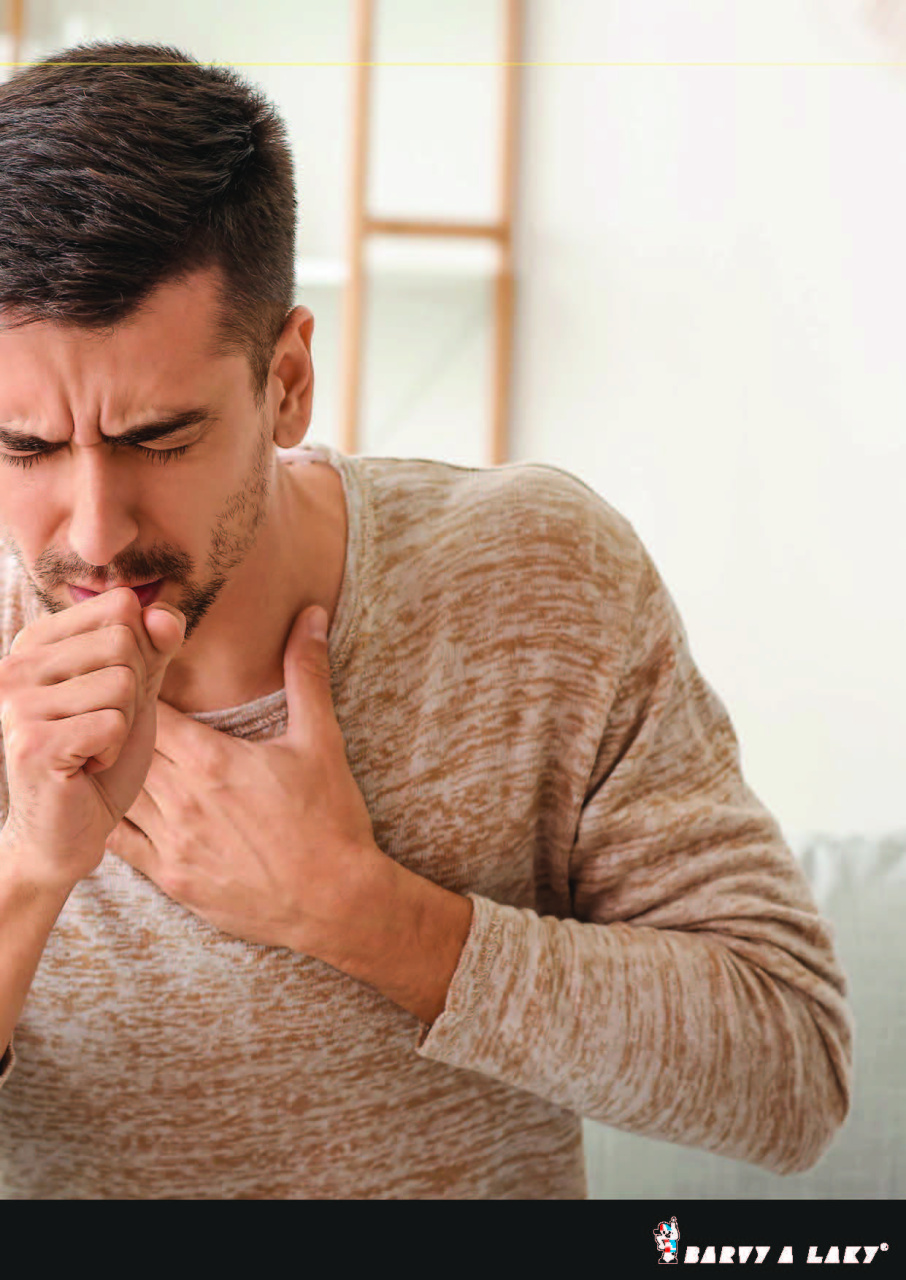
Before diving into the long-term effects of untreated breathing disorders, it's important to understand what these disorders are and how they affect our daily lives. Breathing disorders are conditions that make it difficult for a person to breathe normally. These can include sleep apnea, asthma, chronic obstructive pulmonary disease (COPD), and more. In many cases, people who suffer from these disorders don't seek treatment, either due to lack of awareness or fear of the consequences. As a result, they continue to struggle with breathing difficulties and face a higher risk of developing serious health complications.
The Dangers of Sleep Apnea
Sleep apnea is a common breathing disorder that affects millions of people worldwide. It occurs when a person's airway becomes blocked during sleep, leading to pauses in breathing that can last anywhere from a few seconds to minutes. When left untreated, sleep apnea can have a significant impact on a person's overall health. Some potential long-term effects include high blood pressure, heart disease, stroke, and even premature death. Furthermore, sleep apnea can cause poor sleep quality, leading to chronic fatigue, mood disorders, and impaired cognitive function.
Asthma: A Lifelong Battle
Asthma is another prevalent breathing disorder that affects people of all ages. It is a chronic condition that causes inflammation and narrowing of the airways, making it difficult for air to flow in and out of the lungs. When left untreated, asthma can lead to a decline in lung function, reduced quality of life, and even death in severe cases. Additionally, uncontrolled asthma can cause long-term damage to the airways, known as airway remodeling, which can make the condition more challenging to treat later in life.
The Progression of COPD
Chronic obstructive pulmonary disease (COPD) is a group of lung diseases that includes chronic bronchitis and emphysema. COPD slowly damages the airways and lung tissue, making it increasingly difficult to breathe over time. If left untreated, COPD can lead to a gradual decline in lung function, frequent respiratory infections, and respiratory failure. Furthermore, untreated COPD can cause other health complications, such as heart disease, lung cancer, and depression.
Impact on Mental Health
Untreated breathing disorders don't just affect a person's physical health; they can also have a significant impact on mental health. Struggling to breathe can lead to feelings of anxiety and panic, which can exacerbate the symptoms of the disorder. Additionally, chronic fatigue and sleep disturbances caused by breathing disorders can contribute to the development of mood disorders, such as depression and anxiety. Seeking treatment for these conditions is crucial not only for improving physical health but also for maintaining mental well-being.
Decreased Quality of Life
Living with a breathing disorder can greatly affect a person's quality of life. Daily activities, such as climbing stairs or engaging in physical exercise, can become increasingly difficult, leading to a sedentary lifestyle and social isolation. Moreover, the constant struggle to breathe can cause stress, anxiety, and a decreased sense of overall well-being. Addressing and treating breathing disorders is essential for improving a person's quality of life and allowing them to enjoy everyday activities without restriction.
Financial Consequences
Another aspect to consider when discussing the long-term effects of untreated breathing disorders is the financial consequences. As these conditions worsen over time, they can lead to increased medical expenses for hospitalizations, medications, and other Single vs Triple Therapy: Best Treatments for Fading Dark Spots Fast. Moreover, people with untreated breathing disorders may experience decreased productivity at work due to fatigue or frequent absences, which can impact their income and job stability. Investing in proper treatment can not only improve a person's health but also alleviate financial burdens associated with uncontrolled breathing disorders.
Relationship Struggles
Untreated breathing disorders can also have a significant impact on personal relationships. The constant struggle to breathe and the resulting fatigue can make it difficult for individuals to engage in social activities, leading to feelings of isolation and loneliness. Furthermore, sleep apnea, in particular, can cause loud snoring and disrupted sleep, which can strain relationships with partners or roommates. Seeking treatment for breathing disorders can help improve not only the affected individual's health but also their interpersonal relationships.
The Importance of Early Diagnosis and Treatment
One of the most crucial factors in mitigating the long-term effects of breathing disorders is early diagnosis and treatment. The sooner a person seeks help for their breathing difficulties, the more likely they are to prevent severe complications and maintain their overall health. Proper treatment may include medications, lifestyle changes, and in some cases, medical devices or surgery. Working closely with a healthcare provider to develop an effective treatment plan is essential for managing breathing disorders and improving overall quality of life.
Conclusion
In conclusion, untreated breathing disorders can have serious long-term effects on a person's physical and mental health, as well as their relationships and financial stability. Early diagnosis and treatment are crucial for preventing these complications and maintaining a high quality of life. If you or someone you know is struggling with a breathing disorder, don't hesitate to seek help from a healthcare professional. Remember, taking action today can have a significant impact on your health and well-being for years to come.