
مدونة الموقع
Understanding Leprosy: A Brief Overview
Leprosy is a chronic infectious disease caused by the bacteria Mycobacterium leprae. It primarily affects the skin, nerves, and the mucous membranes of the respiratory tract. Leprosy has been around for centuries and has even been mentioned in ancient texts from various civilizations. Despite being a curable disease today, it continues to cause disabilities and social stigma for millions of people around the world.
For a long time, leprosy was thought to be a hereditary condition or a divine punishment. However, scientific advancements have helped us understand the true nature of the disease and how it spreads. Leprosy is transmitted through respiratory droplets, usually from untreated patients, and it has a long incubation period, which can last for several years. Early detection and treatment are crucial for preventing complications and disabilities associated with this disease.
How Leprosy Causes Disabilities
The primary reason behind the disabilities caused by leprosy is the damage it does to the peripheral nerves. When the bacteria infect the nerves, it leads to inflammation, which in turn causes a loss of sensation and muscle function. This is particularly problematic because it makes the affected person more susceptible to injuries, as they cannot feel pain, heat, or cold. In addition, the loss of muscle function can lead to problems like foot drop, claw hand deformity, and facial paralysis.
Another factor contributing to the disabilities caused by leprosy is the body's immune response to the infection. In some cases, Prilosec: Uses the immune system overreacts, causing further damage to the nerves and tissues. This is known as a leprosy reaction, and it can lead to severe inflammation, pain, and even disability if not treated promptly.
Prevention of Disabilities in Leprosy Patients
Preventing disabilities in leprosy patients begins with early detection and treatment. The World Health Organization (WHO) encourages a multidrug therapy (MDT) approach, which is highly effective in curing the disease and preventing further complications. The key is to ensure that patients are diagnosed and treated as early as possible, to minimize the risk of nerve damage and the resulting disabilities.
Another crucial aspect of preventing disabilities in leprosy patients is self-care. Patients need to learn how to take care of their affected limbs and protect them from injuries. This includes regular inspection of the limbs, proper hygiene, and the use of appropriate footwear to prevent ulcers and infections. Furthermore, physical therapy and exercises can help maintain and improve muscle strength and function, which is essential for preventing disabilities.
Rehabilitation of Leprosy-Affected Individuals
Rehabilitation plays a vital role in the lives of leprosy-affected individuals, as it helps them regain their independence and improve their quality of life. The process of rehabilitation begins with addressing the physical disabilities caused by the disease. This can involve the use of assistive devices, such as orthotic braces, to support weakened limbs and improve mobility. In some cases, reconstructive surgery may be necessary to correct deformities and restore function.
Alongside addressing the physical disabilities, it is equally important to address the psychological and social aspects of rehabilitation. This includes providing counseling and support to help individuals come to terms with their condition, as well as promoting community-based rehabilitation programs that encourage social integration and the development of skills that can help them lead productive lives.
Addressing the Stigma Surrounding Leprosy
One of the most significant challenges faced by leprosy-affected individuals is the stigma and discrimination that still persist in many societies. This can lead to social exclusion, loss of employment opportunities, and even the breakdown of family relationships. It is crucial to raise awareness about leprosy and its curable nature, to dispel misconceptions and promote a more inclusive society.
Efforts to combat stigma can include community education programs, media campaigns, and the involvement of religious and community leaders in spreading accurate information about leprosy. Additionally, empowering leprosy-affected individuals through education, skill development, and advocacy can help them challenge the stigma and discrimination they face.
Working Towards a Leprosy-Free World
While great strides have been made in the fight against leprosy, there is still much work to be done. Continued efforts to improve early detection, treatment, and access to healthcare services are essential for preventing disabilities and improving the lives of leprosy-affected individuals. Moreover, addressing the social and psychological aspects of the disease through rehabilitation, community integration, and stigma reduction is crucial for achieving a leprosy-free world.
In conclusion, understanding the connection between leprosy and disability is essential for shaping prevention and rehabilitation strategies that can help reduce the burden of this disease. As we continue to work towards a world free of leprosy, it is vital that we do not leave behind those who have been affected by this debilitating condition and that we strive to create a more inclusive and compassionate society for all.
Understanding Palliative Care
Palliative care is a specialized form of medical care designed to provide relief from the symptoms and suffering associated with life-limiting illnesses like cancer. This type of care is focused on improving the quality of life for the patient and their family by addressing their physical, emotional, social, and spiritual needs. Palliative care is not just for end-of-life situations; it can be provided at any stage of a serious illness, alongside curative treatments.
As a cancer patient or tags a caregiver, it is crucial to understand the importance of pallative care and the role it plays in improving the overall treatment experience. In this article, we will explore the various aspects of palliative care and its significance for cancer patients.
Managing Pain and Symptoms
One of the primary goals of palliative care is to alleviate pain and other symptoms associated with cancer and its treatment. This is achieved through a combination of medications, therapies, and other interventions tailored to the patient's specific needs. By managing symptoms such as pain, fatigue, nausea, and shortness of breath, patients can experience a better quality of life and focus on their recovery.
Palliative care specialists work closely with the patient's oncology team to ensure that their symptoms are well-controlled, and any side effects from treatments are minimized. This collaborative approach helps ensure that the patient's overall well-being is prioritized throughout the cancer journey.

Emotional and Psychological Support
A cancer diagnosis can be an overwhelming experience for patients and their families, often causing fear, anxiety, and depression. Palliative care recognizes the importance of addressing these emotional and psychological needs to promote overall well-being. This is achieved through counseling, support groups, and other resources that help patients and their families cope with the emotional aspects of cancer.
By providing a safe space for patients to express their fears and concerns, palliative care specialists can help them develop effective coping strategies and find the support they need during this challenging time. This holistic approach to care ensures that the emotional and mental health of cancer patients is not neglected, improving their overall quality of life.
Supporting Spiritual Needs
For many cancer patients, spirituality plays a crucial role in coping with their illness and finding meaning in their experience. Palliative care recognizes the importance of addressing these spiritual needs, offering support and guidance to patients as they navigate their cancer journey. This can include providing access to spiritual counselors, facilitating discussions about beliefs and values, and incorporating spiritual practices into the patient's care plan.
By acknowledging and respecting the patient's spiritual needs, palliative care specialists can help them find comfort and strength in their beliefs, ultimately improving their overall quality of life and sense of well-being.
Enhancing Communication and Decision-Making
Effective communication between patients, families, and healthcare providers is essential in ensuring that the patient's needs and preferences are respected throughout their cancer journey. Palliative care specialists play a vital role in facilitating these conversations, helping patients and their families navigate complex medical decisions and ensuring that their values and priorities are understood.
Through open and honest communication, patients can feel more empowered and in control of their care, leading to better outcomes and a more positive treatment experience. By providing guidance and support in decision-making, palliative care specialists help ensure that the patient's goals and wishes are honored throughout their cancer journey.
Improving Care Coordination
Cancer care often involves multiple healthcare providers and specialists, making care coordination a significant challenge for patients and their families. Palliative care specialists work closely with the patient's oncology team to ensure that care is well-coordinated and that all aspects of the patient's needs are addressed. This collaborative approach helps streamline the patient's care, reducing the risk of miscommunication and ensuring that their needs are met in a timely manner.
By working together with the patient's oncology team, palliative care specialists can help improve the overall quality of care and ensure that the patient's experience is as seamless and stress-free as possible.
Conclusion
Palliative care is an essential component of comprehensive cancer care, providing valuable support and relief for patients and their families. By addressing the physical, emotional, social, and spiritual needs of cancer patients, palliative care specialists can help improve their overall quality of life and enhance their treatment experience. If you or a loved one are facing a cancer diagnosis, consider discussing the benefits of palliative care with your healthcare team to ensure that you receive the comprehensive support you deserve.
Understanding the Connection Between Stress and Nausea
Before diving into the impacts of stress on nausea, it's essential to understand the relationship between the two. Stress is a natural response to life events, and it can affect our bodies in various ways. One of the ways stress manifests itself is through nausea, which can be both uncomfortable and debilitating.
When we experience stress, our body releases stress hormones, such as cortisol and adrenaline. These hormones can cause our stomach muscles to contract, leading to feelings of nausea. Additionally, the release of these hormones can slow down digestion, which can further contribute to feelings of nausea and discomfort.
It's also important to note that the relationship between stress and nausea can be cyclical. The more stressed we feel, the more likely we are to experience nausea, and the more nauseous we feel, the more stressed we may become. This cycle can be challenging to break, but understanding the connection between stress and nausea is the first step in addressing the issue.
Identifying the Triggers of Stress-Induced Nausea
Now that we understand the relationship between stress and nausea, it's crucial to identify what triggers this reaction in our bodies. Each person's stress triggers may be different, but some common factors can contribute to stress-induced nausea.
Work-related stress, such as tight deadlines or difficult colleagues, can be a significant contributor to feelings of nausea. Personal life events, like relationship issues or financial problems, can also cause stress and lead to nausea. Additionally, physical factors like lack of sleep, poor nutrition, and dehydration can contribute to both stress and nausea.
By pinpointing what causes our stress, we can take steps to address those issues and, in turn, reduce the likelihood of experiencing stress-induced nausea.
Managing Stress to Reduce Nausea
Once we've identified our stress triggers, we can begin to implement strategies to manage our stress levels and reduce the chances of experiencing nausea. There are several ways to go about managing stress, and it's essential to find the methods that work best for each individual.
Some common stress management techniques include regular exercise, deep breathing exercises, meditation, and seeking support from friends, family, or a professional counselor. Additionally, making lifestyle changes, such as improving sleep habits, eating a balanced diet, and staying hydrated, can help to reduce stress and prevent nausea.
It's important to remember that managing stress is not a one-size-fits-all approach. Each person will need to find the methods that work best for them and commit to making those changes in their daily lives.
Using Natural Remedies for Nausea Relief
While managing stress is crucial in preventing nausea, it's also helpful to have some natural remedies on hand for relief when nausea does strike. Several natural remedies can help to alleviate feelings of nausea and provide comfort during times of stress.
Some popular natural remedies for nausea include ginger, peppermint, chamomile tea, and PCOS Vulvar Itching: Hormonal Imbalances acupressure. These remedies work by either soothing the stomach lining, relaxing the muscles, or stimulating specific pressure points on the body that help to alleviate nausea.
It's important to note that natural remedies may not work for everyone, and it may take some trial and error to find the most effective methods for each individual. However, having a few natural remedies in your toolkit can provide comfort and relief during times of stress-induced nausea.
Seeking Professional Help When Necessary
While managing stress and employing natural remedies can be helpful in preventing and relieving stress-induced nausea, there may be times when professional help is necessary. If nausea becomes persistent or unmanageable, it's essential to seek medical advice.
A healthcare professional can help to determine if there are any underlying causes for the nausea, such as gastrointestinal issues or medication side effects. They can also recommend appropriate treatments and interventions to help manage the nausea and address any related health concerns.
It's crucial not to ignore persistent nausea, as it can impact our daily lives and overall well-being. Seeking professional help when necessary can provide the support and guidance needed to effectively manage stress-induced nausea and improve our quality of life.
Introduction: Tizanidine and Liver Function
Tizanidine is a muscle relaxant that is commonly prescribed to patients suffering from muscle spasms and tightness caused by medical conditions such as multiple sclerosis or spinal cord injuries. As with any medication, it's important to understand the potential side effects and how it might affect your liver function. In this article, we will explore the relationship between Tizanidine and liver function, as well as provide you with essential information to ensure your safety when taking this medication.
Understanding Tizanidine and Its Uses
Tizanidine, also known by the brand name Zanaflex, is a short-acting muscle relaxant that works by blocking nerve signals responsible for muscle contraction. This medication is often prescribed to patients who experience muscle spasms, tightness, and cramping due to various conditions such as multiple sclerosis, spinal cord injuries, or other neurological disorders. Tizanidine is typically taken as needed and online pharmacy can be prescribed in tablet or capsule form, with dosages ranging from 2mg to 8mg, depending on the severity of the muscle spasms and the patient's response to the medication.
How Tizanidine Affects the Liver
One of the concerns with taking Tizanidine is its potential impact on liver function. The liver is responsible for breaking down and processing medications in the body, including Tizanidine. This process can sometimes lead to an increase in liver enzymes, which can be a sign of liver damage or inflammation. In some cases, Tizanidine has been associated with severe liver injury, leading to symptoms such as jaundice, dark urine, and abdominal pain. However, it's important to note that these instances are relatively rare, and most patients taking Tizanidine do not experience significant liver issues.
Risk Factors for Liver Problems with Tizanidine
While the risk of liver problems from taking Tizanidine is relatively low, certain factors can increase your risk. These include:
Pre-existing liver disease or damage: Patients with a history of liver disease, such as hepatitis or cirrhosis, may be at a higher risk for liver problems when taking Tizanidine.Alcohol consumption: Drinking alcohol while taking Tizanidine can increase the risk of liver damage, as both substances are metabolized by the liver.Other medications: Taking Tizanidine in combination with other medications that can affect the liver, such as acetaminophen or certain antibiotics, may increase the risk of liver problems.If you have any of these risk factors, it's essential to discuss them with your healthcare provider before starting Tizanidine therapy.
Monitoring Liver Function While Taking Tizanidine
Given the potential for liver problems with Tizanidine, it's essential to monitor your liver function while taking this medication. Your healthcare provider may recommend regular blood tests to check your liver enzyme levels, which can help detect any early signs of liver damage or inflammation. These tests are typically performed before starting Tizanidine therapy, and then periodically during treatment, especially if you have any risk factors for liver problems.
Managing Tizanidine-Related Liver Issues
If you experience any signs of liver problems while taking Tizanidine, such as jaundice, dark urine, or abdominal pain, it's crucial to contact your healthcare provider right away. They may recommend stopping the medication and conducting further tests to determine the cause of the liver issues. In some cases, your healthcare provider may prescribe an alternative muscle relaxant or recommend other treatment options to manage your muscle spasms and tightness.
Conclusion: Staying Informed and Vigilant
While Tizanidine can be an effective treatment option for muscle spasms and tightness, it's vital to be aware of the potential impact on liver function. By understanding the risk factors, monitoring your liver function, and communicating with your healthcare provider, you can help ensure your safety while taking this medication. Always follow your healthcare provider's recommendations and report any concerns or side effects you may experience when taking Tizanidine. Remember, staying informed and vigilant is key to maintaining your health and well-being.
Understanding the Connection Between Gout and Stress
Gout is a type of arthritis that is characterized by sudden, severe attacks of pain, redness, and tenderness in joints, most commonly the big toe. It is caused by an accumulation of uric acid in the blood, which forms crystals in the joints and leads to inflammation. Stress is a well-known factor that can trigger gout flare-ups. When we're under stress, our bodies release certain hormones that can raise the levels of uric acid in the blood, making it more likely for a gout attack to occur.
In this section, we will dive deeper into the connection between gout and stress, helping you to better understand why managing stress is essential for those living with gouty arthritis.
Recognizing Stressors and Triggers for Gout Flare-Ups
Being aware of the various stressors and triggers that can lead to a gout flare-up is the first step in managing and minimizing its occurrence. Common stressors include work-related stress, relationship issues, financial worries, and health concerns. Additionally, it's essential to be aware of the triggers that are unique to gout, such as certain foods, alcohol consumption, and dehydration.
In this section, we will discuss how to identify and recognize the stressors and triggers that can lead to gout flare-ups, as well as provide tips on how to avoid or minimize their impact on your life.
Stress Management Techniques for Gout Sufferers
Effective stress management is vital for anyone living with gouty arthritis, as it can help to minimize the occurrence and severity of flare-ups. Incorporating various stress management techniques into your daily routine can make a significant difference in your overall well-being and quality of life.
In this section, we will explore various stress management techniques that can be beneficial for those living with gout, such as deep breathing exercises, progressive muscle relaxation, and mindfulness meditation, among others.
Importance of a Gout-Friendly Diet
Adopting a gout-friendly diet is another crucial component in managing and minimizing gout flare-ups. Maintaining a healthy diet can help to regulate uric acid levels in the body, reducing the risk of crystal formation and, consequently, gout attacks. A gout-friendly diet typically includes foods low in purines, such as fruits, vegetables, whole grains, and lean proteins.
In this section, we will delve into the importance of a gout-friendly diet and Modern Uses provide guidance on the types of foods to include and avoid in order to minimize gout flare-ups and promote overall health.
Exercise and Physical Activity for Gout Management
Regular physical activity plays a significant role in managing gout and minimizing the risk of flare-ups. Exercise can help to reduce stress, promote a healthy body weight, and improve overall joint health, all of which can contribute to better gout management.
In this section, we will discuss the benefits of exercise and physical activity for those living with gout, as well as provide recommendations on the types of exercises that are best suited for gout sufferers, such as low-impact activities like swimming, walking, or cycling.
Seeking Medical Help and Support for Gout and Stress
Lastly, it's essential to recognize when professional medical help and support are needed in managing gout and stress. If you're struggling to manage your gout or stress levels on your own, it's crucial to seek guidance from your healthcare provider, who can offer personalized advice, treatment options, and support.
In this section, we will discuss the importance of seeking medical help and support for gout and stress management, as well as provide resources and suggestions on where to turn when you need assistance.
The Long-Term Effects of Untreated Breathing Disorders
The Long-Term Effects of Untreated Breathing Disorders
Understanding Breathing Disorders
Before diving into the long-term effects of untreated breathing disorders, it's important to understand what these disorders are and how they affect our daily lives. Breathing disorders are conditions that make it difficult for a person to breathe normally. These can include sleep apnea, asthma, chronic obstructive pulmonary disease (COPD), and more. In many cases, people who suffer from these disorders don't seek treatment, either due to lack of awareness or fear of the consequences. As a result, they continue to struggle with breathing difficulties and face a higher risk of developing serious health complications.
The Dangers of Sleep Apnea
Sleep apnea is a common breathing disorder that affects millions of people worldwide. It occurs when a person's airway becomes blocked during sleep, leading to pauses in breathing that can last anywhere from a few seconds to minutes. When left untreated, sleep apnea can have a significant impact on a person's overall health. Some potential long-term effects include high blood pressure, heart disease, stroke, and even premature death. Furthermore, sleep apnea can cause poor sleep quality, leading to chronic fatigue, mood disorders, and impaired cognitive function.
Asthma: A Lifelong Battle
Asthma is another prevalent breathing disorder that affects people of all ages. It is a chronic condition that causes inflammation and narrowing of the airways, making it difficult for air to flow in and out of the lungs. When left untreated, asthma can lead to a decline in lung function, reduced quality of life, and even death in severe cases. Additionally, uncontrolled asthma can cause long-term damage to the airways, known as airway remodeling, which can make the condition more challenging to treat later in life.
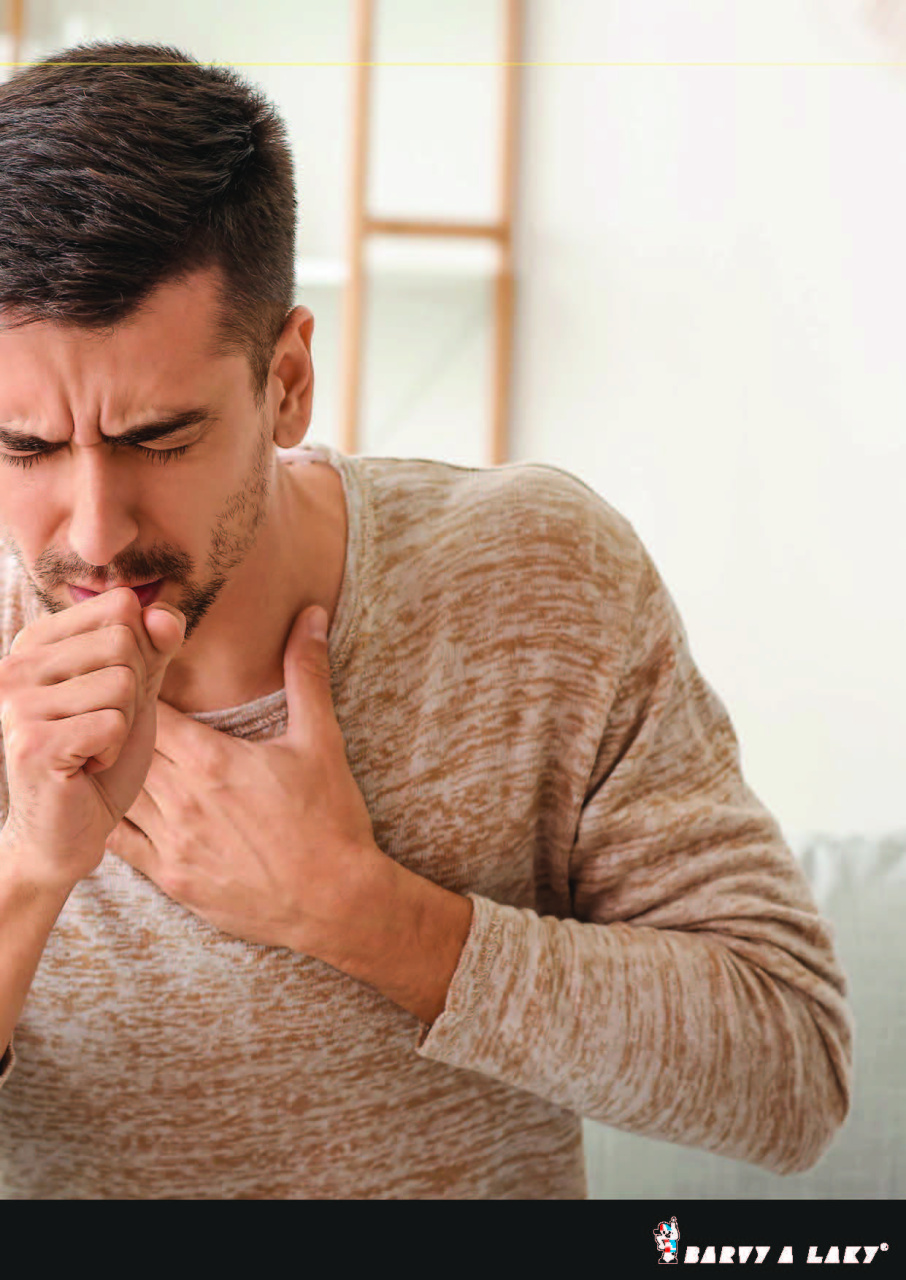
The Progression of COPD
Chronic obstructive pulmonary disease (COPD) is a group of lung diseases that includes chronic bronchitis and emphysema. COPD slowly damages the airways and lung tissue, making it increasingly difficult to breathe over time. If left untreated, COPD can lead to a gradual decline in lung function, frequent respiratory infections, and respiratory failure. Furthermore, untreated COPD can cause other health complications, such as heart disease, lung cancer, and depression.
Impact on Mental Health
Untreated breathing disorders don't just affect a person's physical health; they can also have a significant impact on mental health. Struggling to breathe can lead to feelings of anxiety and panic, which can exacerbate the symptoms of the disorder. Additionally, chronic fatigue and sleep disturbances caused by breathing disorders can contribute to the development of mood disorders, such as depression and anxiety. Seeking treatment for these conditions is crucial not only for improving physical health but also for maintaining mental well-being.
Decreased Quality of Life
Living with a breathing disorder can greatly affect a person's quality of life. Daily activities, such as climbing stairs or engaging in physical exercise, can become increasingly difficult, leading to a sedentary lifestyle and social isolation. Moreover, the constant struggle to breathe can cause stress, anxiety, and a decreased sense of overall well-being. Addressing and treating breathing disorders is essential for improving a person's quality of life and allowing them to enjoy everyday activities without restriction.
Financial Consequences
Another aspect to consider when discussing the long-term effects of untreated breathing disorders is the financial consequences. As these conditions worsen over time, they can lead to increased medical expenses for hospitalizations, medications, and other Single vs Triple Therapy: Best Treatments for Fading Dark Spots Fast. Moreover, people with untreated breathing disorders may experience decreased productivity at work due to fatigue or frequent absences, which can impact their income and job stability. Investing in proper treatment can not only improve a person's health but also alleviate financial burdens associated with uncontrolled breathing disorders.
Relationship Struggles
Untreated breathing disorders can also have a significant impact on personal relationships. The constant struggle to breathe and the resulting fatigue can make it difficult for individuals to engage in social activities, leading to feelings of isolation and loneliness. Furthermore, sleep apnea, in particular, can cause loud snoring and disrupted sleep, which can strain relationships with partners or roommates. Seeking treatment for breathing disorders can help improve not only the affected individual's health but also their interpersonal relationships.
The Importance of Early Diagnosis and Treatment
One of the most crucial factors in mitigating the long-term effects of breathing disorders is early diagnosis and treatment. The sooner a person seeks help for their breathing difficulties, the more likely they are to prevent severe complications and maintain their overall health. Proper treatment may include medications, lifestyle changes, and in some cases, medical devices or surgery. Working closely with a healthcare provider to develop an effective treatment plan is essential for managing breathing disorders and improving overall quality of life.
Conclusion
In conclusion, untreated breathing disorders can have serious long-term effects on a person's physical and mental health, as well as their relationships and financial stability. Early diagnosis and treatment are crucial for preventing these complications and maintaining a high quality of life. If you or someone you know is struggling with a breathing disorder, don't hesitate to seek help from a healthcare professional. Remember, taking action today can have a significant impact on your health and well-being for years to come.
Understanding Valproic Acid Withdrawal
As someone who has taken valproic acid for a while, I know that the decision to stop the medication can be challenging. It's essential to be aware of what to expect during the withdrawal process. In this article, I will share with you my experience and provide insights into the various aspects of valproic acid withdrawal, including its symptoms, duration, and management.

Reasons for Stopping Valproic Acid
There could be several reasons why someone would want to stop taking valproic acid. These reasons might include experiencing adverse side effects, finding an alternative treatment, pregnancy, or even feeling better and wanting to discontinue the medication. It's important to discuss the reasons for stopping valproic acid with your healthcare provider, as they can guide you through the process safely and effectively.
Gradual Tapering vs. Abrupt Discontinuation
I learned that there are two ways to stop taking valproic acid: gradual tapering and abrupt discontinuation. Gradual tapering involves slowly reducing the dosage over time, which helps minimize withdrawal symptoms. On the other hand, abruptly stopping the medication can lead to severe withdrawal symptoms and even cause seizures in some cases. My doctor recommended tapering off the drug to minimize the risks and make the process more manageable.
Common Withdrawal Symptoms
During the withdrawal process, I experienced several symptoms, which I later learned were quite common. These symptoms included dizziness, headache, irritability, anxiety, insomnia, and even flu-like symptoms. It's crucial to be aware of these potential symptoms, so you know what to expect and can seek support from your healthcare provider if needed.
Managing Withdrawal Symptoms
Managing the withdrawal symptoms was a significant part of my journey. My healthcare provider suggested several strategies to help me cope, such as staying hydrated, getting adequate rest, engaging in relaxation techniques, and maintaining a healthy diet. It's essential to listen to your body and give yourself the time and care needed to navigate through the withdrawal process.
Duration of Withdrawal Symptoms
The duration of withdrawal symptoms can vary from person to person. In my case, the symptoms lasted for a few weeks before gradually subsiding. It's essential to be patient and remember that everyone's experience is different. Your healthcare provider can offer guidance on what to expect in terms of duration and help you manage the symptoms throughout the process.
Rebound Seizures
One of the risks associated with stopping valproic acid is the potential for rebound seizures, especially if the medication is discontinued abruptly. I was fortunate not to experience this, but it's essential to be aware of this risk and discuss it with your healthcare provider. They can help you determine the best course of action to minimize the risk and monitor your condition closely during the withdrawal process.
Importance of Medical Supervision
I cannot stress enough the importance of medical supervision when stopping valproic acid. My healthcare provider played a crucial role in guiding me through the process, monitoring my symptoms, and adjusting my tapering schedule as needed. They were also available to address any concerns or questions I had along the way. I would highly recommend discussing your plans to stop valproic acid with your healthcare provider before taking any steps on your own.
Alternative Treatment Options
During my withdrawal process, Gesundheit Tipps Apotheke I explored alternative treatment options to manage my condition. There are various treatments available, such as other medications, therapy, and lifestyle changes, which might be suitable depending on your individual needs. It's essential to work closely with your healthcare provider to determine the most appropriate treatment plan for you.
Emotional Support During Withdrawal
Lastly, I found that having emotional support during the withdrawal process was invaluable. It can be helpful to share your experiences with friends, family, or even online support groups. Knowing that others have gone through a similar journey can provide comfort and encouragement as you navigate the challenges of valproic acid withdrawal.
Discover the Incredible Herb Paris Dietary Supplement
If you're looking to transform your health and well-being, look no further than the incredible Herb Paris Dietary Supplement. This amazing plant has been used for centuries for its medicinal properties and can provide a range of health benefits. In this article, I'll explore six different aspects of Herb Paris and how it can positively impact your life. So let's dive in and discover the many ways this incredible herb can help you.
Unravel the History and Origins of Herb Paris
Herb Paris, or Paris quadrifolia, is a perennial plant native to Europe and Asia. It has been used for centuries in traditional medicine for its various healing properties. The plant has a unique appearance, with four leaves arranged in a cross pattern and a solitary greenish-purple flower at its center. This distinct look has earned it the nickname "True Lover's Knot". In ancient times, Herb Paris was considered a powerful healing agent and was often used to treat a variety of ailments such as headaches, fevers, and even snakebites.
Unlock the Powerful Health Benefits of Herb Paris
Herb Paris is packed with a range of health benefits that can help improve your overall well-being. Some of the most notable benefits include:
Anti-inflammatory properties: Herb Paris contains compounds that can help reduce inflammation in the body, which can be beneficial for those suffering from conditions such as arthritis and inflammatory bowel disease.Antioxidant effects: The plant is rich in antioxidants, which can help protect your cells from damage caused by free radicals. This can help reduce the risk of chronic diseases such as cancer and heart disease.Nervous system support: Herb Paris has been shown to have a calming effect on the nervous system, making it a useful supplement for those dealing with stress and anxiety.Improved digestion: The herb can help improve digestion by reducing inflammation in the gut and promoting the growth of good bacteria.Immune system support: Herb Paris can help boost your immune system, making it easier for your body to fight off infections and illnesses.Pain relief: The plant has been used for centuries as a natural pain reliever, making it a great option for those looking to reduce their reliance on over-the-counter medications.How to Incorporate Herb Paris into Your Diet
Incorporating Herb Paris into your diet is simple and can be done in a variety of ways. The easiest way to take advantage of the health benefits of this incredible herb is by consuming it as a dietary supplement. Herb Paris supplements are available in various forms, such as capsules, teas, and tinctures. You can find these supplements at your local health food store or online.
When taking Herb Paris as a supplement, it's important to follow the recommended dosage on the product label. It's also a good idea to consult with a healthcare professional before starting any new supplement regimen, especially if you're pregnant, nursing, or taking medications.
Experience the Healing Power of Herb Paris for Skin and Hair
Herb Paris isn't just beneficial for your internal health; it can also work wonders for your skin and hair. Its anti-inflammatory and antioxidant properties can help soothe irritated skin, reduce redness, and promote a more even complexion. To use Herb Paris for your skin, simply apply a small amount of Herb Paris oil or cream to the affected area and gently massage it in.
When it comes to your hair, Herb Paris can help promote growth, strengthen strands, and reduce breakage. You can find shampoos and conditioners containing Herb Paris, or you can create your own hair mask by mixing Herb Paris oil with a carrier oil such as coconut or jojoba oil. Apply the mixture to your hair and scalp, let it sit for 20-30 minutes, and then rinse it out.
Herb Paris and Its Role in Traditional Medicine
As previously mentioned, Herb Paris has been used for centuries in traditional medicine. Its powerful healing properties have made it a popular choice among herbalists and naturopaths for treating various ailments. Some of the most common uses of Herb Paris in traditional medicine include:
Treating headaches and migraines: Herb Paris has long been used as a natural remedy for headaches, thanks to its calming effects on the nervous system.Reducing fever: The plant has been used to help lower body temperature during fever, providing relief to those who are unwell.Detoxifying the body: Herb Paris has been used to help cleanse the body of toxins, promoting overall health and affordable meds well-being.Healing wounds: The anti-inflammatory and antibacterial properties of Herb Paris have made it a popular choice for treating wounds and promoting faster healing.Discover a Healthier You with Herb Paris Dietary Supplement
There's no denying that Herb Paris is an incredible supplement that can help transform your health and well-being. With its powerful healing properties and numerous health benefits, it's no wonder this herb has been used for centuries in traditional medicine. By incorporating Herb Paris into your diet, you can experience improved digestion, reduced inflammation, and a stronger immune system, among many other benefits. So why not give Herb Paris a try and discover a healthier, happier you?

Introduction to Traveler's Joy Dietary Supplement
As a frequent traveler, I understand the challenges of maintaining a healthy lifestyle while on the go. Between the irregular meal times, the limited healthy food options, and the constant exposure to new and unfamiliar environments, it can be difficult to maintain optimal health. That's why I was thrilled to discover Traveler's Joy Dietary Supplement, a product designed specifically for people like me who want to maintain their health while traveling. In this article, I'll share with you the benefits of this amazing supplement and how it can help you stay healthy during your trips.
Boost Your Immune System with Traveler's Joy
One of the most important aspects of staying healthy while traveling is maintaining a strong immune system. With exposure to various germs, viruses, and bacteria in different environments, a weak immune system can easily lead to illness. Traveler's Joy Dietary Supplement is packed with essential vitamins and minerals that strengthen the immune system, helping you to fight off infections and stay healthy during your travels. With ingredients like vitamin C, zinc, and echinacea, this supplement provides a powerful boost to your immune system, ensuring that you remain in top shape throughout your trip.
Improve Digestive Health with Probiotics and Prebiotics
Another challenge when traveling is maintaining a healthy digestive system. Unfamiliar foods, irregular eating habits, and stress can all wreak havoc on your gut health. Traveler's Joy Dietary Supplement contains a blend of probiotics and prebiotics that help to support a healthy gut flora, promoting optimal digestion and nutrient absorption. By taking this supplement, you can avoid the common digestive issues that often plague travelers, such as bloating, constipation, and prescription assistance diarrhea, ensuring that you feel your best throughout your journey.
Stay Energized with Natural Energy Boosters
Keeping up with the demands of travel can be exhausting, and it's essential to maintain your energy levels to make the most of your trip. Traveler's Joy Dietary Supplement contains natural energy boosters like green tea extract, ginseng, and B-vitamins that help to increase your stamina and reduce fatigue. By taking this supplement daily, you can enjoy sustained energy levels throughout your trip, allowing you to explore new destinations and enjoy exciting activities without feeling drained.
Combat Jet Lag and Improve Sleep Quality
Jet lag is a common issue for travelers, and it can significantly impact your ability to enjoy your trip. Traveler's Joy Dietary Supplement contains ingredients like melatonin and chamomile that help to regulate your sleep cycle and improve overall sleep quality. By taking this supplement before bedtime, you can combat the effects of jet lag and ensure that you wake up feeling refreshed and energized each morning, ready to take on the day's adventures.
Promote Overall Wellness with Antioxidants and Adaptogens
Traveling can be stressful both physically and mentally, and it's important to support your overall wellness during your trips. Traveler's Joy Dietary Supplement contains a powerful blend of antioxidants and adaptogens that help to reduce inflammation, combat oxidative stress, and support mental clarity and focus. Ingredients like turmeric, ashwagandha, and resveratrol work together to promote overall health and well-being, ensuring that you feel your best throughout your journey.
Conclusion: Experience the Benefits of Traveler's Joy Dietary Supplement
In conclusion, Traveler's Joy Dietary Supplement is a game-changer for anyone looking to maintain their health while on the go. With its potent blend of immune-boosting ingredients, digestive support, natural energy enhancers, sleep regulators, and overall wellness promoters, this supplement offers a comprehensive solution for travelers seeking to stay healthy and energized during their trips. I highly recommend giving Traveler's Joy Dietary Supplement a try on your next adventure and experiencing the benefits it can bring to your travel experience. Safe travels and stay healthy!
Understanding the Connection Between Alcoholism and Domestic Violence
As a society, we often hear about the devastating effects of domestic violence on families and individuals. What is less discussed, however, is the role that alcoholism plays in these cases. In this article, we will delve into the link between alcoholism and domestic violence, and explore how addressing alcohol abuse can help prevent and reduce instances of violence within the home.
The Prevalence of Alcohol Use in Domestic Violence Cases
It's important to begin by understanding just how prevalent alcohol use is in cases of domestic violence. According to various studies, alcohol is involved in anywhere from 40-60% of all domestic violence incidents. This statistic highlights the need for society to address the issue of alcoholism in order to effectively combat domestic violence.
How Alcohol Impairs Judgment and Increases Aggression
Alcohol is known to impair an individual's judgment and decision-making abilities, often leading to reckless behavior Anti-allergic/Asthma and poor choices. Additionally, alcohol can increase aggression in some individuals, making them more likely to lash out physically or verbally. This combination of impaired judgment and increased aggression can create a dangerous environment within the home, where the risk of domestic violence is significantly heightened.
Alcohol as a Coping Mechanism for Perpetrators
Many individuals turn to alcohol as a way to cope with their emotions or escape from the stresses of daily life. In some cases, individuals who perpetrate domestic violence may use alcohol as a means of self-medication, attempting to numb feelings of guilt, shame, or self-loathing. Unfortunately, this coping mechanism can ultimately exacerbate the cycle of violence, as the individual becomes more likely to act aggressively when under the influence.
Alcoholism's Impact on Victims of Domestic Violence
It's not only the perpetrators of domestic violence who may struggle with alcoholism. In some cases, victims may also turn to alcohol as a means of coping with the trauma and emotional pain they experience as a result of the abuse. This can make it even more difficult for victims to seek help or leave their abusive situation, as they may feel trapped by their own addiction.
The Role of Alcohol in the Cycle of Violence
Alcohol can play a significant role in perpetuating the cycle of violence often seen in domestic violence cases. As an individual's alcohol consumption increases, so too does the likelihood of violent incidents occurring. Furthermore, episodes of violence can lead to increased alcohol consumption, creating a vicious cycle that can be difficult to break.
Addressing Alcoholism as a Preventative Measure
By addressing alcoholism and providing resources for individuals struggling with addiction, we can help to reduce the prevalence of domestic violence. Treatment programs that focus on both addiction and anger management can be particularly effective in breaking the cycle of violence, allowing individuals to develop healthier coping mechanisms and communication skills.
Support for Victims of Domestic Violence with Alcoholism
It's crucial that we also provide support for victims of domestic violence who may be struggling with alcoholism. By offering resources such as therapy, support groups, and addiction treatment, we can help these individuals find the strength and resilience needed to leave their abusive situations and begin the process of healing.
Community Awareness and Education
Raising awareness about the link between alcoholism and domestic violence is an essential step in addressing this issue. Through community education and outreach, we can help individuals recognize the warning signs of domestic violence and understand the role that alcohol may play in these cases. By promoting a culture of understanding and support, we can encourage more people to seek help and break the cycle of violence.
Working Together to Combat Alcoholism and Domestic Violence
Ultimately, it will take a collective effort from individuals, communities, and organizations to effectively address the role of alcoholism in domestic violence cases. By working together to provide resources, support, and education, we can make a meaningful impact in the lives of those affected by these issues and create a safer environment for all.