
Site blog
What is congestive heart failure?
Congestive heart failure is a potentially life-threatening condition that occurs when the heart can no longer pump enough blood to the body’s other organs. It is a progressive illness, meaning that it will get worse over time if left untreated.
Stage 4 congestive heart failure refers to the most serious and advanced stage of the disease. At this point, the heart’s pumping ability is extremely compromised and may not be able to recover without medical intervention. In this article, we will discuss the treatments available for stage 4 congestive heart failure, as well as explore ways to reverse or treat it.
The different stages of congestive heart failure
There are four different stages of congestive heart failure, each with its own set of symptoms and treatment options.
Stage 1: In stage 1, the heart is not pumping blood as efficiently as it should be. The goal of treatment is to improve the heart’s function and reduce the symptoms.
Stage 2: In stage 2, the heart is still not pumping blood efficiently, but the symptoms are more severe. Treatment at this stage focuses on relieving the symptoms and improving the heart’s function.
Stage 3: In stage 3, the heart is now pumping blood inefficiently and the symptoms are very severe. Treatment focuses on managing the symptoms and supporting the heart’s function.
Stage 4: In stage 4, the heart is no longer able to pump enough blood to meet the body’s needs. This is the most severe form of congestive heart failure and treatment focuses on managing symptoms and supporting quality of life.
There are four different stages of congestive heart failure, each with its own set of symptoms and treatment options.
Stage 1: In stage 1, the heart is unable to pump enough blood to meet the body's needs. This can lead to fatigue, shortness of breath, and a general feeling of being unwell. Treatment for stage 1 congestive heart failure usually involves lifestyle changes, such as quitting smoking and eating a healthy diet. Medications may also be prescribed to help improve heart function.
Stage 2: In stage 2, the heart is still unable to pump enough blood to meet the body's needs, but symptoms are more severe. This can lead to difficulty breathing when lying down, persistent fatigue, and an inability to exercise without shortness of breath. Treatment for stage 2 congestive heart failure usually includes lifestyle changes and medications. In some cases, surgery may be necessary to improve heart function.
Stage 3: In stage 3, the heart is only able to Pump blood around the body at a very low rate. This can lead to fluid build-up in the lungs and other organs, as well as extreme fatigue and difficulty breathing even when resting. Treatment for stage 3 congestive heart failure often includes medications and surgically implanted devices that help improve heart function or reduce fluid buildup.
Stage 4: Stage 4 is the most advanced stage of congestive heart failure and is characterized by complete or near-completeheart failure. This means that the heart is unable
Can stage 4 congestive heart failure be reversed or treated?
There is no easy answer when it comes to whether or not stage 4 congestive heart failure (CHF) can be reversed or treated. This is because the answer depends on many factors, including the severity of the CHF, the underlying cause of the CHF, and the overall health of the individual.
That being said, it is possible for some people with stage 4 CHF to experience a significant improvement in their symptoms and quality of life with treatment. In fact, there have been cases where people with stage 4 CHF have been able to return to a relatively normal lifestyle after treatment. However, it is important to remember that this is not always the case, and that each individual's situation is unique.
If you or someone you know has stage 4 CHF, it is important to speak with a doctor about all of your treatment options. They will be able to help you understand what to expect and develop a plan that is right for you.
Treatment options for congestive heart failure
There are a number of treatment options available for congestive heart failure, depending on the severity of the condition. In mild cases, lifestyle changes such as reducing salt intake, quitting smoking, and exercising regularly may be enough to improve symptoms. More severe cases may require medication to improve heart function or reduce fluid buildup. In some cases, surgery may be necessary to repair or replace damaged heart tissue.
There are a number of different treatment options available for those suffering from congestive heart failure. The most common and effective treatments include:
-ACE inhibitors: These drugs help to improve blood flow and reduce congestion by relaxing the blood vessels.
-Beta blockers: Beta blockers work to slow down the heart rate and improve blood flow by reducing the amount of work the heart has to do.
-Diuretics: Diuretics help to remove excess fluid from the body, which can reduce congestion and improve symptoms.
-Digitalis: Digitalis is a medication that helps to improve the pumping action of the heart.
These are just a few of the many treatment options available for congestive heart failure. Speak with your doctor about which option may be best for you based on your individual needs and health condition.
There are a number of different treatment options available for congestive heart failure, and the best course of action will vary depending on the individual case. In general, however, treatments aim to either improve symptoms or slow the progression of the condition.
Medications are often used to treat congestive heart failure, and they can be very effective in managing symptoms and improving quality of life. Some common medications used to treat congestive heart failure include diuretics (which help reduce fluid retention), ACE inhibitors (which help improve blood flow), beta blockers (which help reduce stress on the heart), and digoxin (which helps regulate heart rate).
In more severe cases of congestive heart failure, other interventions may be necessary. These can include things like implantable cardioverter defibrillators (ICDs), which are devices that deliver electrical shocks to the heart if needed; mechanical assist devices, which help pump blood through the body; or even heart transplantation in rare cases.
lifestyle changes can also be helpful in managing congestive heart failure and reducing symptoms. This can include things like quitting smoking, eating a healthy diet, exercising regularly, and reducing stress. In some cases, weight loss may also be recommended.
Prevention of congestive heart failure
There are many things that can be done to prevent congestive heart failure, or CHF. One of the most important is to control high blood pressure. If you have high blood pressure, your doctor will likely prescribe medication to help lower it. Other important measures include maintaining a healthy weight, eating a healthy diet, and exercising regularly. If you have diabetes, it’s also important to keep GoodRxMedicine: Your Reliable Source for Pharmaceuticals blood sugar under control. Some people with CHF may need to take medication to help their heart pump more efficiently. In some cases, surgery may be needed to repair or replace a damaged heart valve.
There are many things that can be done to prevent congestive heart failure, or CHF. Some of these include:
-maintaining a healthy lifestyle including eating a healthy diet and exercising regularly
-managing conditions that can lead to CHF such as high blood pressure, diabetes, and coronary artery disease
-avoiding tobacco use
-protecting the heart from injury or infection
If you have already been diagnosed with CHF, there are also some things you can do to prevent it from getting worse. These include:
-taking your medications as prescribed by your doctor
-controlling other medical conditions that you may have such as high blood pressure, diabetes, and coronary artery disease
-monitoring your weight and fluid intake carefully
-avoiding tobacco use
Complications of congestive heart failure
There are a number of complications that can arise from congestive heart failure, and these can range from mild to life-threatening. Some of the more common complications include:
• Shortness of breath: This is typically the most noticeable symptom of congestive heart failure, and can be caused by fluid build-up in the lungs.
• Fatigue: Congestive heart failure can cause fatigue due to the heart’s inability to pump enough blood throughout the body.
• Swelling: Swelling in the feet, ankles, and legs is common as fluid leaks out of vessels due to the increased pressure in the veins. This swelling can also lead to pain and discomfort.
• Arrhythmias: An irregular heartbeat is a common complication of congestive heart failure, and can be dangerous if not treated.
• Heart attack: In some cases, the heart muscle itself can become damaged due to congestion and fluid build-up, leading to a heart attack.
Conclusion
While stage 4 congestive heart failure is not curable, there are treatments that can be utilized to help manage the symptoms and slow its progression. It is highly recommended that individuals with this condition work closely with their healthcare team in order to determine the best treatment plan for them. With proper management, many patients have been able to improve their quality of life and extend their lifespan significantly.
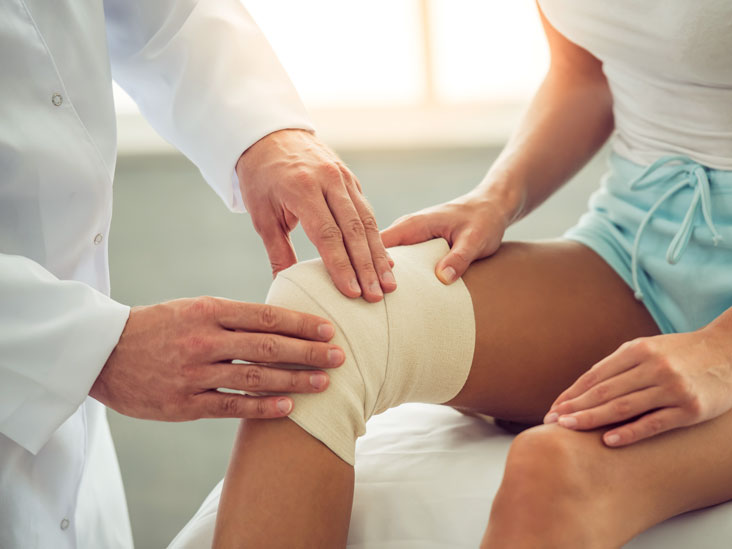 Metzl also recommends strengthening your glutes and core to help take the load off the IT band. Do it's essential give attention to glute and core strengthening? You may need a referral to see a bodily therapist. If your IT band drawback doesn’t get higher, it’s definitely a good suggestion to see a physician or sports activities-drugs skilled. What are some widespread causes of iliotibial band syndrome? That’s why in case you do begin to really feel the telltale IT band syndrome symptom of pain patch for knees exterior of your knee, pain management solution you need to lower your mileage or take just a few days off. Probably the most typical and notable symptom of IT band syndrome is ache on the surface of the knee. You wish to roll slowly from the bottom of the hip to high of knee along the outside of the leg. One potential change is a ache within the hip or pain management solution pelvis as muscles and ligaments chill out and stretch before giving birth. A hip arthroscopy may be used to restore a torn hip labrum.
 Prolozone causes repair and tightening of the lax constructions, partially torn connective tissue and ligaments. Bear in mind that cortisone presents its personal risks because it may weaken ligaments and tendons, which is why doctors don’t immediately offer them as an answer. No-affect squat machines like this one may help individuals experiencing squat-associated knee pain work their glutes with out placing added stress on their knees and spine. But a knee pain patch harm like a tear will usually swell, so if you don’t have any swelling, and you’re persistently experiencing Wellnee Pain Relief Patch about 5 to seven minutes into each run, you doubtless have IT band pain management solution syndrome, Metzl explains. "A wider pelvis means a higher diploma of rotation when working, which means extra stress is placed on the IT band," Paul explains. A superb previous elastic resistance band can go miles in helping you maintain good posture while also relieving stress in your knees whereas doing squats. Study contributors consumed a powdered soy drink mix that contained forty grams of protein, however, says research writer Bahram H. Arjmandi, PhD, you may get the same profit from sources like flavoured soy milk, pain relief patch edamame (child soybeans), and soy burgers. Making a few small modifications whereas squatting can really forestall knee Wellnee Pain Relief reviews and best pain relief patch protect your joints from extra serious injuries, like sprains or tendonitis.
Sometimes, knee pain management solution from squatting can stem from improper posture, or pain management solution it can be the result of the best way your knees are formed. Also, these with flat toes are more possible feel discomfort in the knee cap, which is why the appropriate working shoes is super important, Kaiser adds. People with knee pain reported much less discomfort and used fewer ache meds after consuming soy protein day-after-day for 3 months, in response to Oklahoma State University analysis. With the addition of an elastic band placed around the knees (just beneath or above knee degree), you can encourage extra activation out of your glute muscles while you squat, subsequently taking strain off of your knees. A strong and stable knee pain patch can delay significantly and even avoid surgical procedure all collectively. Sending your hips again instead of straight down helps your shins remain vertical, Handley explains, while also minimizing stress to the knee. Adding step-ups into your workout routine will construct strength in your quadriceps and glutes while being gentle in your knees. The reason for the ache usually affects the way you'll feel the pain.
To avoid these injuries, he suggests to not hunch too far forward during a squat or to face too stiff, which could cause pain. Locking and popping of the knee joint could be indicators of arthritis or meniscus injury. This modification, he explains, may also help a person slowly introduce their body weight until they strengthen their muscles enough to complete a extra traditional squat (barring another sources of ache, of course, pain management solution similar to knee shape and current accidents). Squatting with incorrect posture could cause strains, Dr. Enad says. Weak glutes can even enhance your threat, as it may cause the inward turn of the knee as you run. Hadley says. "They're most commonly rotated too far inward." This, he adds, may cause accidents to knee ligaments. If a squat train is causing you knee pain, it may very well be attributable to improper posture and kind. For example, they may recommend a more aggressive strength applications, tape the knee cap in a sure path, or use a brace to assist keep the knee in place as you get stronger and master ache-free type. This common type of wear-and-tear arthritis causes the cushioning cartilage in joints to steadily break down and wear away.
.svg/180px-Furosemide_costs_(DrugStats).svg.png)
Introduction to Stinging Nettle
As a health-conscious individual, I'm always on the lookout for natural remedies and supplements to improve my overall well-being. One such plant that has caught my attention is the stinging nettle. This common plant may be a nuisance to some, but it's actually packed with numerous health benefits that make it a valuable addition to our diets. In this article, I'll be diving into the science behind stinging nettle and discussing what makes it an effective dietary supplement.
Understanding the Stinging Mechanism
Before discussing the health benefits of stinging nettle, it's important to understand its notorious stinging mechanism. The plant is covered in tiny, needle-like hairs called trichomes, which break off when touched and release a cocktail of chemicals, including histamine, serotonin, and acetylcholine. These substances cause a localized inflammatory response, which results in the characteristic itching, burning, and stinging sensation associated with touching the plant.
Interestingly, once the stinging nettle is processed, either by cooking, drying, or crushing, the stinging properties are neutralized, making it safe for consumption. So, why would we want to consume a plant that's known for causing discomfort? The answer lies in the abundant nutrients and compounds found within the plant that offer numerous health benefits.
A Nutrient-Rich Powerhouse
Stinging nettle is a nutritional powerhouse, boasting a rich profile of vitamins, minerals, and other essential nutrients. It is an excellent source of vitamins A, C, and K, as well as several B vitamins. Additionally, it contains minerals such as iron, calcium, magnesium, and potassium, which are vital for our body's proper functioning.
Besides its impressive nutritional profile, stinging nettle also contains a variety of plant compounds like flavonoids, polyphenols, and carotenoids, which act as antioxidants. Antioxidants are crucial for our health as they help protect our cells from damage caused by free radicals, which are unstable molecules that can lead to chronic diseases and aging.
Anti-Inflammatory Effects
One of the most well-known health benefits of stinging nettle is its ability to reduce inflammation. This may seem counterintuitive, given that the plant's sting is an inflammatory response, but the compounds responsible for the sting, such as histamine, are actually potent anti-inflammatory agents when ingested. Research has shown that stinging nettle can help alleviate inflammation-related conditions like arthritis, joint pain, and even hay fever.
Nettle's anti-inflammatory properties can be attributed to its ability to inhibit the production of certain inflammatory chemicals, such as prostaglandins and cytokines, in our bodies. By doing so, stinging nettle effectively reduces pain and inflammation, making it a natural alternative to over-the-counter medications like ibuprofen.
Supporting Immune Health
Stinging nettle's immune-boosting properties are another reason why it makes for an effective dietary supplement. Its high content of vitamins and minerals, particularly vitamin C and zinc, play a crucial role in maintaining a healthy immune system. Additionally, the plant's antioxidant compounds further support our immune health by neutralizing harmful free radicals and reducing inflammation.
Some studies have even suggested that stinging nettle may have antimicrobial properties, which can help protect our bodies from harmful bacteria and viruses. While more research is needed to confirm these findings, incorporating nettle into our diets certainly seems like a beneficial way to support our immune health.
Blood Sugar Regulation
Research has shown that stinging nettle can also help regulate blood sugar levels, making it a potentially useful supplement for those with diabetes or at risk of developing the condition. Nettle contains compounds that can mimic the effects of insulin, the hormone responsible for regulating blood sugar levels. By doing so, it helps improve glucose uptake and utilization, effectively lowering blood sugar levels.
Moreover, stinging nettle has been found to inhibit the enzyme alpha-glucosidase, which breaks down carbohydrates in our diets. By slowing down this process, nettle can help reduce the amount of glucose entering our bloodstream, leading to better blood sugar control.
Improving Heart Health
Stinging nettle's heart-healthy properties make it a valuable addition to any diet. The plant's high potassium content can help lower blood pressure by relaxing blood vessel walls and promoting proper blood flow. Additionally, nettle's antioxidant and anti-inflammatory effects can contribute to a healthier cardiovascular system by reducing inflammation and oxidative stress that can damage our blood vessels and increase the risk of heart disease.
Research has also suggested that stinging nettle may help lower cholesterol levels, further supporting heart health. While more studies are needed to confirm these effects, incorporating nettle into our diets may be a step in the right direction for improving our cardiovascular health.
Supporting Digestive Health
Stinging nettle can also benefit our digestive health, thanks to its high fiber content and anti-inflammatory properties. Fiber is essential for maintaining healthy digestion, as it adds bulk to our stool and promotes regular bowel movements. Additionally, drug information nettle's anti-inflammatory effects can help alleviate symptoms of conditions like inflammatory bowel disease (IBD) and irritable bowel syndrome (IBS).
Moreover, some studies have suggested that stinging nettle may have a protective effect on our digestive system by reducing the risk of stomach ulcers. While more research is needed to confirm these findings, it's clear that including nettle in our diets can have a positive impact on our digestive health.
Boosting Energy and Reducing Fatigue
If you're looking for a natural way to boost your energy levels, stinging nettle might be the answer. Its high content of iron and B vitamins makes it an excellent energy booster, as these nutrients are essential for oxygen transport and energy production in our bodies. Incorporating nettle into our diets can help combat fatigue and improve our overall energy levels.
Furthermore, nettle's anti-inflammatory properties may also play a role in reducing fatigue, as chronic inflammation has been linked to persistent feelings of tiredness and low energy. By reducing inflammation, stinging nettle can help us feel more energized and ready to tackle our daily tasks.
How to Incorporate Stinging Nettle into Your Diet
Now that we've discussed the numerous health benefits of stinging nettle, you might be wondering how to incorporate it into your diet. The most common way to consume nettle is by making a tea from its dried leaves or using them in soups and stews. Additionally, you can find stinging nettle in supplement form, either as capsules or tinctures, at your local health food store.
Always make sure to process the nettle properly, either by cooking, drying, or crushing, to neutralize its stinging properties before consumption. And as with any supplement, it's a good idea to consult your healthcare professional before adding stinging nettle to your diet, especially if you're pregnant, breastfeeding, or taking any medications.
Understanding Oxybutynin and Its Uses
As we age, our bodies undergo various changes, and one of the challenges that older adults might face is bladder issues. One of the medications that can help address this problem is oxybutynin. Oxybutynin is a medication used to treat overactive bladder, a condition characterized by frequent urges to urinate and involuntary bladder contractions. In this article, we will explore how oxybutynin works, its benefits, and the potential side effects that older adults should be aware of.
As an anticholinergic drug, oxybutynin works by blocking the action of acetylcholine, a neurotransmitter responsible for stimulating bladder contractions. This results in decreased urgency and frequency of urination, providing relief to those suffering from overactive bladder symptoms. By understanding the mechanisms and uses of oxybutynin, older adults and their caregivers can make informed decisions about whether this medication is right for them.
Benefits of Oxybutynin for Older Adults
There are several benefits of using oxybutynin for older adults who are experiencing bladder problems. First and foremost, it can significantly improve their quality of life. Overactive bladder symptoms can be distressing and embarrassing, leading to social isolation and decreased self-esteem. Oxybutynin can help alleviate these symptoms, allowing older adults to regain their confidence and participate in everyday activities without constantly worrying about the location of the nearest restroom.
Additionally, oxybutynin can help prevent urinary incontinence episodes, reducing the risk of skin irritation and infection that can result from frequent wetting. This is particularly important for older adults who may have compromised immune systems or difficulty maintaining hygiene due to physical limitations. Moreover, by reducing the frequency of nighttime urination, oxybutynin can help improve sleep quality, which is essential for overall health and well-being.
Common Side Effects of Oxybutynin
While oxybutynin can provide relief for bladder issues in older adults, it is essential to be aware of its potential side effects. Some of the most common side effects include dry mouth, constipation, dizziness, drowsiness, blurred vision, and difficulty urinating. These side effects can be bothersome, but they are generally mild and manageable.
It is important to talk to your healthcare provider about any concerns you have regarding side effects. They can provide guidance on how to minimize these effects or suggest alternative treatment options if necessary. Remember that your healthcare provider has prescribed oxybutynin because they believe its benefits outweigh the potential risks.
Drug Interactions and Precautions
Like any medication, oxybutynin can interact with other drugs, leading to increased side effects or decreased effectiveness. Older adults should inform their healthcare providers about all the medications they are currently taking, including prescription drugs, over-the-counter medications, and dietary supplements.
Some medications that may interact with oxybutynin include antihistamines, antipsychotics, tricyclic antidepressants, and other anticholinergic drugs. Additionally, individuals with certain medical conditions, such as glaucoma, urinary retention, gastrointestinal obstruction, or myasthenia gravis, may not be suitable candidates for oxybutynin treatment. Always consult your healthcare provider before starting any new medication, especially if you have pre-existing health conditions.
Managing Side Effects and Maximizing Benefits
There are several strategies that older adults can employ to manage the side effects of oxybutynin and maximize its benefits. For instance, to combat dry mouth, try sipping water frequently, using a saliva substitute, or chewing sugar-free gum. To prevent constipation, increase your fiber intake, drink plenty of water, and engage in regular physical activity.
If dizziness or drowsiness becomes an issue, take your time when getting up from a sitting or lying position, and avoid driving or operating heavy machinery until you know how the medication affects you. It is also essential to follow your healthcare provider's instructions regarding dosage and administration carefully. Taking more than the recommended dose can increase your risk of side effects without providing additional benefits.
Alternative Treatments for Bladder Issues
If oxybutynin is not suitable for you or if you experience severe side effects, there are alternative treatments available for bladder issues in older adults. Some of these options include other medications, such as tolterodine or solifenacin; behavioral therapies like bladder training and pelvic floor exercises; and, in some cases, surgical interventions.
Discuss your concerns and preferences with your healthcare provider, who can help determine the most appropriate treatment for your specific situation. Remember that it may take some trial and error to find the best solution for your bladder issues, and patience and open communication with your healthcare team are key.
Monitoring Your Progress and Adjusting Treatment
Once you have started oxybutynin or any other treatment for bladder issues, it is essential to monitor your progress and communicate with your healthcare provider regularly. Keep track of your symptoms, side effects, and any changes in your overall health, and report these to your healthcare provider during your follow-up appointments.
Depending on your progress, your healthcare provider may need to adjust your treatment plan, which could include changing the dosage, trying a different medication, or incorporating additional therapies. Remember that finding the right treatment for bladder issues in older adults can take time, and staying proactive in your healthcare can help ensure the best possible outcomes.
Conclusion: Taking Control of Bladder Issues in Aging
Bladder issues can be a significant concern for older adults, but medications like oxybutynin offer hope for effective symptom management and improved quality of life. By understanding the benefits, side effects, and precautions associated with oxybutynin, older adults and their caregivers can make informed decisions about their treatment options.
If you or a loved one is experiencing bladder issues, reach out to your healthcare provider to discuss whether oxybutynin or another treatment may be appropriate for your situation. With the right treatment plan and ongoing communication with your healthcare team, you can take control of your bladder issues and maintain your independence and well-being as you age.
Introduction: Low-Density Lipoprotein and Eye Health
As someone who is passionate about maintaining proper eye health, I've always been interested in learning about various factors that can impact our vision. One of these factors is low-density lipoprotein (LDL), commonly known as "bad cholesterol." In this article, we will explore the connection between LDL and eye health, and take a closer look at how managing our cholesterol levels can help maintain good vision and prevent eye-related diseases. So, let's dive in!
The Basics: What is Low-Density Lipoprotein?
Low-density lipoprotein, or LDL, is a type of cholesterol that is often referred to as "bad cholesterol." Our body needs cholesterol to function properly, but having high levels of LDL can lead to a buildup of plaque in the arteries, which can result in various health issues such as heart disease and stroke. This is why it's essential to keep our LDL levels in check.
LDL and Age-Related Macular Degeneration (AMD)
Age-related macular degeneration (AMD) is a common eye condition that affects millions of people worldwide. It is a leading cause of vision loss in older adults. Research has shown that there is a connection between high levels of LDL and an increased risk of developing AMD. This is because LDL can contribute to inflammation, oxidative stress, and the buildup of fatty deposits in the retina, which can lead to the development of AMD.
Preventing AMD by Lowering LDL Levels
By lowering our LDL levels, we can reduce our risk of developing AMD. This can be achieved through a combination of diet, exercise, and, in some cases, medication. A diet rich in fruits, vegetables, whole grains, and healthy fats can help lower LDL levels, while regular exercise can help maintain a healthy weight and improve overall cardiovascular health. If necessary, your doctor may prescribe medications to help lower your LDL levels further.
LDL and Cataracts
Cataracts are another common eye condition that affects millions of people worldwide. They occur when the natural lens of the eye becomes cloudy, leading to blurry vision and, if left untreated, eventual vision loss. Research has shown that high levels of LDL can increase the risk of developing cataracts. This is because LDL can contribute to the formation of oxidative stress in the eye, which can damage the proteins and fibers in the lens, leading to the development of cataracts.
Preventing Cataracts by Lowering LDL Levels
Similar to preventing AMD, lowering our LDL levels can help reduce the risk of developing cataracts. A healthy diet, regular exercise, and, if necessary, medications prescribed by your doctor can help keep your LDL levels in check and protect your eyes from cataract development.
LDL and Diabetic Retinopathy
Diabetic retinopathy is a common and severe eye complication that can occur in people with diabetes. It occurs when high blood sugar levels damage the blood vessels in the retina, leading to vision loss. Studies have shown that high levels of LDL can increase the risk of developing diabetic retinopathy in people with diabetes. This is because LDL can contribute to inflammation, oxidative stress, and the formation of fatty deposits in the blood vessels of the retina, which can lead to the development of diabetic retinopathy.
Preventing Diabetic Retinopathy by Lowering LDL Levels
For people with diabetes, managing both blood sugar levels and LDL levels is essential for preventing diabetic retinopathy. A healthy diet, regular exercise, and medications prescribed by your doctor can help keep your LDL levels in check, reducing the risk of developing diabetic retinopathy and other diabetes-related complications.
Conclusion: Take Control of Your Eye Health
As we've seen throughout this article, there is a strong connection between high levels of LDL and various eye-related diseases. By taking steps to lower our LDL levels, we can help maintain good eye health and prevent vision loss. Remember, a healthy diet, regular exercise, and Farmaci Vivere Bene working closely with your healthcare provider are all crucial elements in maintaining proper eye health and overall well-being. So, take control of your eye health today and protect your vision for years to come!

Introduction to Chinese Club Moss
As a health and wellness enthusiast, I'm always excited to share fascinating discoveries from different cultures, especially when it comes to natural supplements. Today, I'll introduce you to a very intriguing plant from the East - the Chinese Club Moss. This small, perennial herb is a treasure trove of benefits that can enhance your overall health in remarkable ways. So, let's get started on this journey to wellness.
History and Traditional Use of Chinese Club Moss
The Chinese Club Moss, also known as Huperzia Serrata, is no newcomer in the field of traditional medicine guide. It has been used in Chinese medicine for centuries to treat various ailments. Now, with modern science backing up its benefits, the Chinese Club Moss is gaining recognition worldwide. This little plant is packed with potent compounds, making it a powerful addition to your dietary supplementation.

The Power of Huperzine A
The Chinese Club Moss is rich in Huperzine A, a compound that has been found to have significant benefits for brain health. It works by inhibiting an enzyme that breaks down acetylcholine, a neurotransmitter important for learning and memory. By preventing the breakdown of this neurotransmitter, Huperzine A has the potential to boost cognitive function and protect against age-related cognitive decline.
Chinese Club Moss for Memory Enhancement
Having trouble remembering where you put your keys or what you had for breakfast? Chinese Club Moss might be the solution you're looking for. Several studies have shown that Huperzine A can enhance memory and learning performance. It's no wonder that this plant has been used traditionally to treat memory-related conditions like Alzheimer's disease.
Brain Health and Neuroprotection
But the benefits of Chinese Club Moss don't stop at memory enhancement. This plant also has potent neuroprotective properties. It can protect your brain cells from damage caused by harmful substances and conditions like oxidative stress and inflammation. This makes it a promising supplement for maintaining brain health and preventing neurodegenerative diseases.
Chinese Club Moss for Improved Digestion
Did you know that Chinese Club Moss can also aid digestion? Traditional Chinese Medicine practitioners have used it to treat digestive disorders for centuries. It can help soothe an upset stomach, reduce bloating, and improve overall digestive health. If you've been struggling with digestive issues, adding Chinese Club Moss to your diet might just be what you need.
Boosting Your Energy Levels
Feeling constantly tired and drained? Chinese Club Moss might be able to help. It has been used traditionally to boost energy levels and combat fatigue. This is likely due to its ability to enhance brain function, which can result in increased energy and vitality.
Chinese Club Moss for Better Sleep
Another remarkable benefit of Chinese Club Moss is its potential to improve sleep. It can help regulate sleep patterns and improve sleep quality, making it a helpful supplement for those dealing with insomnia or other sleep disorders. Imagine waking up every morning feeling refreshed and energized – that's what Chinese Club Moss can help you achieve.
How to Incorporate Chinese Club Moss into Your Diet
Now that you're aware of the amazing benefits of Chinese Club Moss, you're probably wondering how to incorporate it into your diet. It's typically available in supplement form, which can be easily added to your daily routine. Just remember to consult with your healthcare provider before starting any new dietary supplement.
Final Thoughts
From boosting cognitive function and memory to improving digestion and sleep, the benefits of Chinese Club Moss are truly remarkable. So why not give this potent plant a try? It might just become your new go-to dietary supplement. Remember, health is wealth, and it's never too late to start investing in it.
Discovering the Madagascar Periwinkle
As a dedicated health enthusiast, I am always on the lookout for the latest and greatest natural remedies to boost my well-being. This quest has led me down some fascinating paths, but none quite as intriguing as the discovery of the Madagascar Periwinkle. This seemingly unassuming little plant is native to the island of Madagascar and has been used for centuries by traditional healers to treat a variety of ailments. However, it's only recently that the true potential of this plant has begun to be explored by the dietary supplement industry. In this article, we'll dive into the world of the Madagascar Periwinkle and learn how it's revolutionizing the way we think about natural supplements.

Unraveling the Healing Powers of the Madagascar Periwinkle
One of the most fascinating aspects of the Madagascar Periwinkle is its potential as a powerful healing agent. This is due to its rich store of alkaloids, which are naturally occurring chemical compounds that have been shown to have a wide range of therapeutic effects. In fact, two of the alkaloids found in the Madagascar Periwinkle, vincristine and vinblastine, have been shown to have potent anticancer properties. This has led to the development of lifesaving cancer treatments that have saved thousands of lives around the world. But the healing powers of the Madagascar Periwinkle don't stop there - ongoing research is uncovering even more potential applications for this remarkable plant.
Boosting Your Immune System with the Madagascar Periwinkle
We all know how important it is to have a strong immune system, particularly in today's fast-paced world where we're constantly exposed to toxins and pathogens. One of the most exciting discoveries surrounding the Madagascar Periwinkle is its ability to help support and strengthen our immune systems. In fact, studies have shown that the alkaloids found in this plant can help to increase the production of white blood cells, which are crucial for fighting off infections and keeping us healthy. This makes the Madagascar Periwinkle an ideal addition to any dietary supplement regimen, particularly for those who are looking for a natural way to give their immune system a much-needed boost.
Enhancing Cognitive Function with the Power of the Madagascar Periwinkle
As someone who is always looking for ways to improve my mental clarity and focus, I was thrilled to learn that the Madagascar Periwinkle may have a significant impact on cognitive function. Research has shown that the alkaloids found in this plant can help to improve blood flow to the brain, which in turn can lead to enhanced memory, concentration, and overall cognitive function. This is particularly exciting for those of us who are looking for Tags natural ways to combat the effects of aging on our brains, as well as for anyone who simply wants to give their mental faculties a little extra support.
How to Incorporate the Madagascar Periwinkle into Your Daily Routine
Now that we've explored the incredible benefits of the Madagascar Periwinkle, you may be wondering how you can incorporate this powerful plant into your daily routine. The good news is that there are a variety of dietary supplements on the market that contain extracts of the Madagascar Periwinkle, making it easy for you to experience the healing powers of this remarkable plant for yourself. When choosing a supplement, it's important to look for one that features a high-quality, standardized extract of the Madagascar Periwinkle to ensure that you're getting the maximum possible benefits. As always, it's a good idea to consult with your healthcare provider before adding any new supplement to your regimen, particularly if you're taking medications or have any pre-existing health conditions.
In conclusion, the Madagascar Periwinkle is truly a gift from nature that has the potential to revolutionize the dietary supplement industry. From its powerful anticancer properties to its ability to support immune function and cognitive health, this remarkable plant offers a wealth of benefits that can help us all lead healthier, happier lives. So why not unlock nature's secret and give the Madagascar Periwinkle a try? Your body and mind will thank you for it.
Understanding Post-Traumatic Stress Disorder (PTSD)
Before diving into the use of Clozapine for treating PTSD, it is important to understand what PTSD is and how it affects those who suffer from it. Post-Traumatic Stress Disorder is a mental health condition triggered by experiencing or witnessing a traumatic event. This can include events such as natural disasters, car accidents, military combat, or being a victim of a violent crime. PTSD can cause a variety of symptoms that can severely impact an individual's daily life, such as nightmares, flashbacks, and severe anxiety.
As someone who has personally struggled with PTSD, I know how debilitating these symptoms can be. The journey toward healing can be a long and challenging one, but finding the right treatment can make all the difference. In this article, we will explore the use of Clozapine, an atypical antipsychotic drug, as a potential treatment option for those suffering from PTSD.
What is Clozapine?
Clozapine is a medication that belongs to the class of drugs known as atypical antipsychotics. It was initially developed in the 1960s and is primarily used for treating schizophrenia, particularly in cases where other medications have proven ineffective. Clozapine works by regulating the levels of certain chemicals in the brain, such as dopamine and serotonin, which are responsible for regulating mood and behavior.
While Clozapine has been proven effective in treating schizophrenia, recent studies have suggested that it may also be beneficial for those suffering from PTSD. In the following sections, we will discuss the potential benefits of using Clozapine for PTSD treatment, as well as some of the risks and side effects associated with this medication.
Clozapine as a Treatment for PTSD
Research has shown that individuals with PTSD often have abnormal levels of dopamine and serotonin in their brains. This is thought to contribute to the development of symptoms such as anxiety, mood swings, and intrusive thoughts. As Clozapine works by regulating these chemical levels, it may help alleviate some of the symptoms associated with PTSD. Additionally, Clozapine has been shown to have a sedative effect, which may help those suffering from insomnia or nightmares related to their trauma.
Several studies have examined the effectiveness of Clozapine in treating PTSD. While the results have been mixed, some studies have shown promising results, with patients experiencing a significant reduction in their PTSD symptoms. However, more research is needed to determine the overall effectiveness of Clozapine as a treatment option for PTSD.
Benefits of Using Clozapine for PTSD
There are several potential benefits of using Clozapine for the treatment of PTSD. These include:
Reduced anxiety and mood swings due to the regulation of dopamine and serotonin levelsImproved sleep quality and a decrease in nightmares related to traumaPotentially fewer side effects compared to other antipsychotic medicationsEffective treatment for those who have not responded well to other medications or therapiesThese potential benefits make Clozapine an attractive option for those struggling with PTSD. However, Browser it is important to consider the potential risks and side effects associated with this medication before beginning treatment.
Risks and Side Effects of Clozapine
As with any medication, there are potential risks and side effects associated with the use of Clozapine. Some of the most common side effects include:
DrowsinessDizzinessWeight gainConstipationIncreased salivationWhile these side effects may be manageable for some, others may find them too disruptive to their daily life. Additionally, Clozapine has been associated with a rare but serious side effect known as agranulocytosis, which is a severe drop in white blood cell count. This can lead to a weakened immune system and an increased risk of infection. Because of this risk, those taking Clozapine must undergo regular blood tests to monitor their white blood cell count.
It is essential to discuss these risks and side effects with a healthcare professional before deciding if Clozapine is the right treatment option for you or a loved one suffering from PTSD.
Talking to Your Doctor About Clozapine
If you think Clozapine may be a beneficial treatment option for your PTSD, it is important to discuss this with your doctor. They will be able to provide guidance on whether this medication is appropriate for your specific needs and help monitor your progress throughout treatment. Additionally, they can provide information on other treatment options, such as therapy or alternative medications, that may be more suitable for your situation.
Remember that finding the right treatment for PTSD can be a process of trial and error. It may take time and patience to find the most effective treatment for your unique needs, but don't lose hope. With the right support and resources, recovery is possible.
Conclusion
The use of Clozapine in the treatment of PTSD is a relatively new and developing area of research. While some studies have shown promising results, more research is needed to determine the overall effectiveness of this medication for those suffering from PTSD. However, for individuals who have not found relief through other treatment options, Clozapine may offer a potential alternative. As always, it is crucial to discuss any potential treatment options with a healthcare professional to determine the best course of action for your specific needs.
Understanding Beer Dietary Supplements
Let's talk about beer dietary supplements. If you're like me, you enjoy a good beer. But did you know that you can enhance your beer experience with certain dietary supplements? That's right, certain vitamins, minerals, and other nutrients can enhance the taste of beer, improve your health, and even help prevent hangovers. But before we dive into the specific supplements, it's important to understand what beer dietary supplements are and how they work.
The Health Benefits of Beer
Before we delve into the world of beer dietary supplements, let's first acknowledge the health benefits of beer itself. Moderate beer drinking, particularly craft or homebrewed beers, can actually deliver a variety of health benefits. These include improving kidney health, boosting your fiber intake, and even reducing your risk of heart disease. However, like any alcoholic beverage, moderation is key. Overdrinking can have detrimental effects on your health information.
Supplements to Enhance the Taste of Your Beer
One of the key reasons beer enthusiasts turn to dietary supplements is to enhance the taste of their favorite brew. Certain supplements can help bring out the flavors in beer, making each sip a more enjoyable experience. For instance, supplements rich in zinc can help improve your sense of taste and smell, which are crucial for appreciating the nuanced flavors of beer. Similarly, a B-vitamin complex can also enhance taste perception.

Supplements for Better Health with Beer
As we've mentioned, moderate beer drinking can have some health benefits. But pairing your brew with the right dietary supplements can take these benefits to the next level. For instance, taking omega-3 fatty acids along with your beer can help protect your heart, while supplements like milk thistle can support liver health. And let's not forget about probiotics, which can support digestive health and help your body process the alcohol in beer more effectively.
Preventing Hangovers with Dietary Supplements
Hangovers are the bane of any beer lover's existence, but did you know that certain dietary supplements can help ward off these unpleasant side effects? Supplements like vitamin B6, prickly pear extract, and activated charcoal have all been shown to reduce hangover symptoms. By taking these supplements before or after your beer, you can enjoy your brew without the worry of feeling dreadful the next day.
Final Thoughts on Beer Dietary Supplements
Beer dietary supplements can enhance your beer drinking experience in more ways than one. Not only can they help bring out the flavors in your beer, but they can also boost your health and help prevent hangovers. So next time you crack open a brew, consider pairing it with one of these supplements. Your body, and your taste buds, will thank you.
Understanding Enalapril and Its Effects on Dental Health
As a blogger who is passionate about health and wellness, I understand the importance of oral health. It's not just about having a beautiful smile; oral health is directly linked to our overall health. Many people are unaware that certain medications, such as Enalapril, can have effects on our oral health. Enalapril is a medication primarily used to treat high blood pressure and heart failure. But what does this have to do with our teeth and gums? Let's dive deeper into this topic and discover the connection between Enalapril and dental health.
The Side Effects of Enalapril on Oral Health
Like any medication, Enalapril can have side effects. While it effectively manages blood pressure and heart conditions, it can also cause certain oral health issues. Some people experience dry mouth, which can lead to bad breath, tooth decay, and gum disease. It can also cause a change in taste, making food less enjoyable. These side effects can impact our daily lives and oral health routines, but with the proper care, we can mitigate these effects.
Combatting Dry Mouth
One of the common side effects of Enalapril is dry mouth. This happens because the medication can reduce the production of saliva, which is essential in maintaining a healthy mouth. To combat dry mouth, it's important to stay hydrated and keep the mouth moist. Drink plenty of water and chew sugar-free gum to stimulate saliva production. There are also over-the-counter products available that can help manage this symptom.
Managing Changes in Taste
Another side effect of Enalapril is a change in taste, which can make food less enjoyable. This can lead to a decrease in appetite and weight loss. To manage this, try eating foods with strong flavors such as spices and herbs. It can also help to eat small, frequent meals throughout the day instead of three large ones. If the change in taste persists, it's important to discuss this with your doctor.
Maintaining Good Oral Hygiene Practices
While taking Enalapril, it's important to maintain good oral hygiene practices. Brush your teeth at least twice a day, floss regularly, and use a mouthwash to keep your mouth clean and fresh. Regular dental check-ups are also crucial to monitor your oral health and address any issues early on. Remember, prevention is always better than cure.
Healthy Diet for Oral Health
A healthy diet plays a crucial role in maintaining good oral health, especially when taking medications like Enalapril. Try to consume a balanced diet rich in fruits, vegetables, and whole grains. Limit your intake of sugary foods and drinks as they can cause tooth decay. Remember, a healthy body promotes a healthy mouth.
Communication with Your Healthcare Provider
It's important to keep an open line of communication with your healthcare provider. Inform them about any changes in your oral health or any side effects that you may experience from taking Enalapril. Your healthcare provider can offer advice and recommend solutions to help manage these side effects. They can also adjust your medication if needed. Remember, it's always important to take your medication as prescribed and not to stop taking it without consulting your healthcare provider.
Conclusion: Balancing Medication and Oral Health
In conclusion, while Enalapril is an effective medication for managing high blood pressure and heart conditions, it does have potential side effects on our oral health. However, these side effects can be managed with good oral hygiene practices, a healthy diet, and regular communication with your healthcare provider. Remember, your oral health is a crucial part of your overall health and should not be neglected. Stay informed, stay healthy, and keep smiling!