
Site blog
Introduction
Severe tardive dyskinesia (TD) is a condition that involves involuntary movements, often caused by certain medications. It can be very debilitating and can significantly reduce quality of life. Fortunately, with the right treatment and medications, people with TD can find relief and improved function.
In this blog post, we will discuss the various medications available to treat severe TD as well as their side effects and potential risks. From anticholinergics to antipsychotic drugs, we’ll give you a comprehensive look at what is available on the market today to help those living with severe TD find some level of relief.

What is tardive dyskinesia?
Tardive dyskinesia is a movement disorder that can occur as a side effect of certain antipsychotic medications. The symptoms of tardive dyskinesia may include involuntary movements of the mouth, tongue, or cheeks; grimacing; rapid eye blinking; and/or jerking motions of the arms and legs. Tardive dyskinesia can be a disabling condition, and there is no known cure. Treatment for tardive dyskinesia typically involves switching to a different antipsychotic medication or reducing the dose of the current medication. In some cases, other medications may be used to help control the symptoms of tardive dyskinesia.
Tardive dyskinesia (TD) is a movement disorder that can develop as a side effect of certain medications. The most common symptoms of TD are involuntary, repetitive movements of the face and body. These movements may include grimacing, sticking out the tongue, and rapid eye blinking. TD can also cause slow or jerky movements of the arms, legs, and trunk. People with TD may feel like they can’t control their bodies.
The exact cause of TD is unknown, but it is thought to be related to changes in the brain caused by the long-term use of certain medications. The most commonly implicated medications are antipsychotic drugs, which are used to treat mental illness. However, other drugs such as metoclopramide (used to treat gastrointestinal disorders) and levodopa (used to treat Parkinson’s disease) can also cause TD.
Most people with TD develop the condition after taking antipsychotic drugs for several months. However, TD can occur after taking just one dose of an offending medication. In some cases, TD may not develop until years after someone has stopped taking the medication.
There is no cure for TD, but the condition can often be managed with treatment. Medications such as clozapine and tetrabenazine can help reduce the involuntary movements associated with TD. In some cases, surgery may be an option. For example, deep brain stimulation has been shown to be effective in
Medications used to treat tardive dyskinesia
There are a number of different medications that can be used to treat tardive dyskinesia, and the best course of treatment will vary from person to person. Some people may find relief with a single medication, while others may need to try a combination of drugs. The most commonly used medications for tardive dyskinesia include:
• Anticholinergics: These drugs help to reduce involuntary movements by blocking the neurotransmitter acetylcholine. Commonly used anticholinergics include trihexyphenidyl (Artane) and benztropine (Cogentin).
• dopamine agonists: These drugs work by increasing levels of the neurotransmitter dopamine in the brain. Dopamine agonists are often used to treat Parkinson’s disease, and they can be effective in treating tardive dyskinesia as well. Commonly used dopamine agonists include bromocriptine (Parlodel) and levodopa (Sinemet).
• anti-psychotic medications: Atypical antipsychotic drugs are sometimes used to treat tardive dyskinesia, even though they’re not typically prescribed for this condition. That’s because these drugs can sometimes help to relieve the underlying psychiatric condition that is causing the tardive dyskinesia. Commonly used atypical antipsychotics include clozapine (Clozaril) and quet
There are a number of different medications that can be used to treat tardive dyskinesia, and the best course of treatment will vary from person to person. Some of the most common medications used to treat tardive dyskinesia include:
-Anticholinergics: These medications work by blocking the neurotransmitter acetylcholine, which is thought to be involved in the development of tardive dyskinesia. Common anticholinergic medications used to treat tardive dyskinesia include benztropine (Cogentin), diphenhydramine (Benadryl), and trihexyphenidyl (Artane).
-Dopamine agonists: These medications work by increasing levels of the neurotransmitter dopamine in the brain. Dopamine is thought to help counteract the effects of acetylcholine, and may help reduce the symptoms of tardive dyskinesia. Common dopamine agonists used to treat tardive dyskinesia include bromocriptine (Parlodel), ropinirole (Requip), and levodopa/carbidopa (Sinemet).
-Antidepressants: Some antidepressants have also been found to be effective in treating tardive dyskinesia. These medications work by increasing levels of certain neurotransmitters in the brain, which can help improve mood and reduce anxiety. Common antidepressants used to treat tardive
There are a number of different medications that can be used to treat severe tardive dyskinesia. The most commonly prescribed medication is clozapine, which is an antipsychotic medication. Other antipsychotic medications that have been shown to be effective in treating tardive dyskinesia include olanzapine, quetiapine, and risperidone. In some cases, antidepressants such as fluoxetine or amitriptyline may also be helpful.
Botulinum toxin injections are another treatment option that can be considered for people with severe tardive dyskinesia. This treatment involves injecting small amounts of the toxin into the muscles that are affected by the condition. This can help to reduce the severity of the symptoms and improve quality of life.
Surgery is another possible treatment option for people with severe tardive dyskinesia, although it is not always effective. Deep brain stimulation (DBS) is a type of surgery that has been shown to be helpful in some cases. DBS involves placing electrodes in the brain and sending electrical impulses to specific areas. This can help to reduce the severity of symptoms in some people.
Side effects of medications used to treat tardive dyskinesia
There are a number of medications that can be used to treat tardive dyskinesia, but they all come with a risk of side effects. The most common side effects include:
Drowsiness
Dry mouth
Nausea and vomiting
Diarrhea or constipation
Blurry vision
Headache
Rare but serious side effects include:
Seizures
Heart rhythm problems
Liver damage
If you are taking any medication for tardive dyskinesia, it is important to talk to your doctor about the potential risks and benefits.
There are a number of medications that can be used to treat tardive dyskinesia, but they all come with a risk of side effects. The most common side effects of these medications include drowsiness, dizziness, dry mouth, constipation, and weight gain. Some of the less common side effects include anxiety, depression, insomnia, and sexual dysfunction. While these side effects are not life-threatening, they can be very bothersome and make it difficult to continue taking the medication. If you experience any of these side effects, talk to your doctor about whether or not you should continue taking the medication.
When to see a doctor
If you have any concerns about your tardive dyskinesia, or if your symptoms are impacting your quality of life, it is important to see a doctor. There is no one-size-fits-all approach to treating tardive dyskinesia, so working with a healthcare professional who is familiar with the condition is important. They can help you identify the best treatment option Promotion codes for online pharmacy canadianpharmacyworld.com you based on the severity of your symptoms and other factors.
There is no one-size-fits-all answer to this question, as the decision of when to see a doctor for tardive dyskinesia treatment depends on the individual's unique situation. However, in general, it is advisable to seek medical help if tardive dyskinesia is causing significant distress or interfering with daily life activities. Additionally, if over-the-counter treatments such as anticholinergics are not providing relief, it may be time to consult with a doctor.
There is no one-size-fits-all answer to this question, as the decision of when to see a doctor for tardive dyskinesia treatment depends on the individual's unique situation. However, in general, it is advisable to see a doctor if tardive dyskinesia is causing significant distress or impairment in daily functioning. Additionally, if over-the-counter treatments are not alleviating symptoms, it may be time to seek professional help.
Conclusion
Severe tardive dyskinesia can be a difficult condition to manage and treat. Fortunately, there are medications available that may help alleviate the symptoms of this disorder. The most common medications used to treat severe tardive dyskinesia include serotonin-dopamine antagonists such as haloperidol and risperidone, botulinum toxin injections, clonazepam, opioid receptor blockers like naltrexone, anticonvulsants like topiramate or gabapentin, and in some cases deep brain stimulation. With the right combination of these treatments, individuals with severe tardive dyskinesia can experience significant symptom relief.
Experience the Magic of Hemlock Spruce: A True Game Changer
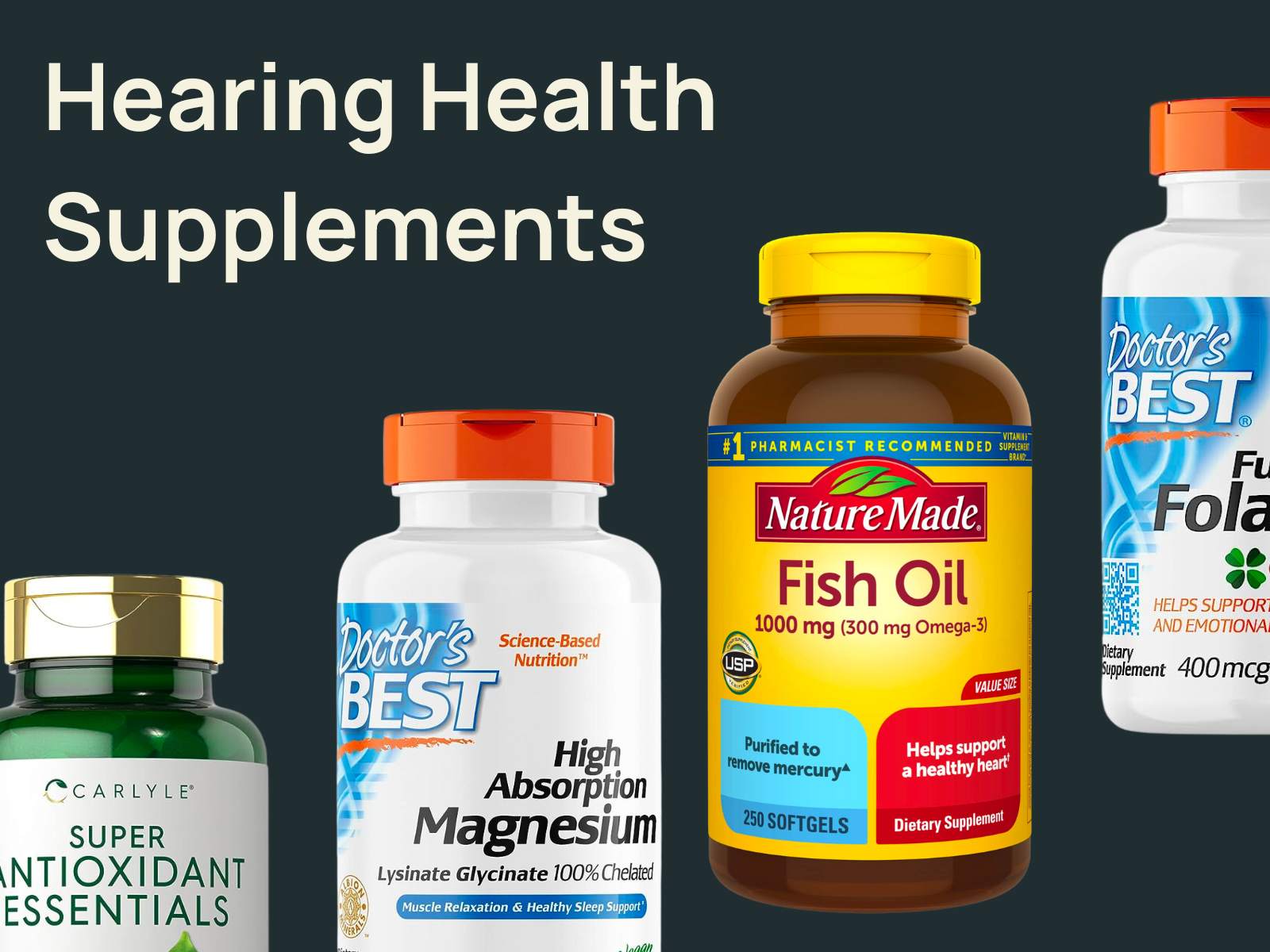
As I embarked on my health and wellness journey, I always thought that I had tried every possible supplement out there. From the latest trendy superfoods to the most obscure herbs, I was constantly searching for that one secret ingredient that would transform my life. And then, I discovered Hemlock Spruce - the ultimate dietary supplement that changed everything for me! This extraordinary tree, native to North America, is packed with incredible benefits that will help you unlock your true potential in your health and wellness journey. So, let's dive in and explore the magic of Hemlock Spruce!
Boost Your Immune System with the Power of Hemlock Spruce
One of the most amazing benefits of Hemlock Spruce is its ability to strengthen your immune system. In today's world, where we are constantly exposed to various illnesses and diseases, having a robust immune system is more important than ever. Hemlock Spruce contains powerful antioxidants and anti-inflammatory properties that help your body fight off infections and keep you feeling healthy and strong.
By incorporating Hemlock Spruce into your daily routine, you can experience a significant boost in your immune system, helping you stay protected from common colds, flus, and other illnesses. Just imagine how amazing it would feel to breeze through the winter season without catching a single cold!
Improve Your Digestive Health with Hemlock Spruce's Natural Properties
Another fantastic benefit of Hemlock Spruce is its ability to improve your digestive health. In my experience, I found that adding Hemlock Spruce to my daily diet helped alleviate my digestive issues, such as bloating, constipation, and indigestion. The secret behind this lies in the natural properties of Hemlock Spruce, which helps to soothe your digestive tract, promote regular bowel movements, and maintain a healthy balance of gut bacteria.
By improving your digestive health with Hemlock Spruce, you can experience increased energy levels, better nutrient absorption, and an overall improvement in your well-being. Trust me, your gut will thank you for it!
Enhance Your Cognitive Function with Hemlock Spruce's Brain-Boosting Benefits
One of the most remarkable benefits of Hemlock Spruce that I personally experienced is its ability to enhance cognitive function. By incorporating Hemlock Spruce into your daily routine, Categories you can improve your memory, focus, and overall brain health. Hemlock Spruce contains various antioxidants and compounds that have been found to promote brain function, making it an excellent supplement for those looking to sharpen their minds.
Whether you're a student, a busy professional, or just someone looking to stay sharp, Hemlock Spruce can provide you with the cognitive boost you need. In my experience, I found that I was able to think more clearly, focus more intently, and remember information more effectively after incorporating Hemlock Spruce into my daily routine.
Promote Healthy Skin and Hair with Hemlock Spruce's Nutrient-Rich Composition
Lastly, let's not forget the incredible benefits Hemlock Spruce has to offer for your skin and hair. Packed with essential nutrients, Hemlock Spruce can provide your skin and hair with the nourishment they need to stay healthy, strong, and radiant. I noticed a significant improvement in the texture and appearance of my skin and hair after incorporating Hemlock Spruce into my wellness regimen.
By promoting healthy skin cell regeneration and providing your hair with essential nutrients, Hemlock Spruce can help you achieve that youthful, glowing complexion and luscious locks you've always dreamed of. So, why not give Hemlock Spruce a try and see the amazing results for yourself?
Unlock the Power of Hemlock Spruce Today!
Now that you know the incredible benefits that Hemlock Spruce has to offer, it's time for you to unlock its power and experience the amazing results for yourself. By incorporating this ultimate dietary supplement into your daily routine, you can embark on a health and wellness journey like no other. So, go ahead and give Hemlock Spruce a try - you won't be disappointed!
Understanding Clomiphene: A Brief Overview
Before diving into the science behind Clomiphene, let me first provide a brief overview of this medication. Clomiphene is a drug commonly prescribed to help women who are struggling with infertility. It is an oral medication that is typically administered in the early stages of a woman's menstrual cycle. Clomiphene is known to be effective in stimulating ovulation, which is crucial for conception. In this article, we will explore the science behind Clomiphene and how it works in the body. So, let's begin our journey to understand this fascinating drug.
The Chemistry of Clomiphene: A Closer Look at the Compound
Clomiphene is a synthetic compound that closely resembles the structure of a naturally occurring hormone called estrogen. It is classified as a selective estrogen receptor modulator (SERM), which means that it can either activate or inhibit the estrogen receptors in the body, depending on the specific tissue it is interacting with. This unique property of Clomiphene is what makes it effective in treating infertility. In the next section, we will discuss how Clomiphene interacts with the body's hormonal system to stimulate ovulation.
Clomiphene and the Hypothalamic-Pituitary-Ovarian Axis
The hypothalamic-pituitary-ovarian (HPO) axis is a complex hormonal system responsible for regulating a woman's menstrual cycle and fertility. It involves the interaction of various hormones, including gonadotropin-releasing hormone (GnRH), follicle-stimulating hormone (FSH), and luteinizing hormone (LH). Clomiphene works by targeting the HPO axis and altering the hormonal balance to stimulate ovulation. Let's see how it achieves this.
Blocking Estrogen Receptors: Clomiphene's Primary Mechanism of Action
As mentioned earlier, Clomiphene is a SERM, which means it can either activate or inhibit estrogen receptors in the body. In the case of infertility treatment, Clomiphene acts as an estrogen antagonist, blocking the receptors in the hypothalamus and pituitary gland. This blockage prevents the body from detecting the presence of estrogen, leading to an increase in the production of GnRH by the hypothalamus.
The increased production of GnRH, in turn, stimulates the pituitary gland to release higher amounts of FSH and LH. These hormones are crucial for the growth and maturation of ovarian follicles, which contain the eggs. The surge in FSH and LH levels eventually leads to the release of a mature egg from the ovary, Ordering Tips a process known as ovulation.
Clomiphene's Impact on Follicular Development and Ovulation
Clomiphene's ability to stimulate the release of FSH and LH has a direct impact on the development of ovarian follicles. Under normal circumstances, a woman's body produces a single mature follicle each month, which then releases an egg during ovulation. However, in women with infertility issues, the natural process of follicular development and ovulation may be disrupted.
By increasing FSH and LH levels, Clomiphene promotes the growth and maturation of multiple follicles, increasing the chances of successful ovulation and conception. It is important to note that while Clomiphene can effectively stimulate ovulation, it does not guarantee pregnancy, as various other factors can also influence a woman's fertility.
Monitoring Clomiphene Treatment: Ensuring Safety and Efficacy
While Clomiphene is considered a safe and effective treatment for infertility, it is essential to monitor its effects on the body closely. This is because the stimulation of multiple follicles can sometimes lead to a condition called ovarian hyperstimulation syndrome (OHSS), which can cause severe pain, bloating, and other complications.
To ensure the safety and efficacy of Clomiphene treatment, doctors often perform regular ultrasounds and blood tests to monitor the growth and development of ovarian follicles. This allows them to adjust the dosage of the medication and ensure that the patient is responding well to the treatment without experiencing any adverse effects.
The Success Rates and Limitations of Clomiphene Treatment
Clomiphene has been proven to be successful in stimulating ovulation in up to 80% of women who take the medication. However, the overall pregnancy rate for women undergoing Clomiphene treatment is estimated to be around 30-40%. This discrepancy between ovulation and pregnancy rates highlights the fact that while Clomiphene can effectively address ovulatory issues, it may not be sufficient to overcome other factors that contribute to infertility.
It is important for women undergoing Clomiphene treatment to be aware of its limitations and to discuss other potential treatment options with their healthcare provider if they do not achieve pregnancy within a reasonable timeframe.
Conclusion: The Science Behind Clomiphene and Its Role in Infertility Treatment
In conclusion, Clomiphene is a fascinating drug that harnesses the power of selective estrogen receptor modulation to stimulate ovulation and improve fertility in women. By blocking estrogen receptors in the hypothalamus and pituitary gland, Clomiphene promotes the release of FSH and LH, which are crucial for the growth, maturation, and release of eggs from the ovaries.
While it is not a guaranteed solution for all infertility issues, Clomiphene has been proven to be an effective and safe treatment option for many women. Its unique mechanism of action and impact on the hormonal system make it an essential tool in the arsenal of infertility treatments, helping countless women achieve their dream of becoming mothers.

Understanding Secondary Hyperparathyroidism
Before we dive into the connection between secondary hyperparathyroidism and osteoporosis, it's important to understand what secondary hyperparathyroidism is. This condition occurs when the parathyroid glands produce too much parathyroid hormone (PTH) in response to low levels of calcium in the blood. The primary function of PTH is to regulate calcium levels, so when there is a deficiency, the glands work overtime to bring the levels back up.
Secondary hyperparathyroidism is often caused by conditions that affect calcium absorption, such as chronic kidney disease, vitamin D deficiency, and certain medications. It is important to identify and address these underlying causes in order to effectively treat secondary hyperparathyroidism and prevent complications, such as osteoporosis.
Osteoporosis: A Common Bone Disease
Osteoporosis is a common bone disease characterized by decreased bone density and increased risk of fractures. It affects millions of people worldwide, especially older adults and postmenopausal women. In osteoporosis, the rate of bone resorption (breaking down) exceeds the rate of bone formation, leading to weakened and brittle bones.
There are many factors that contribute to the development of osteoporosis, including age, genetics, hormonal changes, and lifestyle factors like diet and exercise. However, the connection between secondary hyperparathyroidism and osteoporosis is an important aspect to consider when discussing bone health.
How Secondary Hyperparathyroidism Affects Bone Density
As mentioned earlier, secondary hyperparathyroidism is characterized by an overproduction of PTH. One of the main effects of PTH on the body is to stimulate the release of calcium from the bones into the bloodstream. This process, known as bone resorption, is a normal part of bone remodeling. However, when PTH levels are chronically elevated due to secondary hyperparathyroidism, the rate of bone resorption increases significantly.
This excessive bone resorption leads to a decrease in bone density, which can eventually result in osteoporosis. In addition to increasing bone resorption, high PTH levels can also interfere with bone formation, further contributing to the weakening of bones.
Identifying the Link Between the Two Conditions
Research has shown a clear link between secondary hyperparathyroidism and osteoporosis. Studies have found that patients with secondary hyperparathyroidism have a higher prevalence of osteoporosis and an increased risk of fractures compared to those without the condition. This is likely due to the effects of excess PTH on bone remodeling, as described above.
Moreover, treating the underlying causes of secondary hyperparathyroidism, such as improving calcium and vitamin D intake, has been shown to improve bone density and reduce the risk of fractures in patients with osteoporosis. This further emphasizes the connection between these two conditions and the importance of addressing secondary hyperparathyroidism in the context of bone health.
Managing Secondary Hyperparathyroidism to Prevent Osteoporosis
Since secondary hyperparathyroidism can contribute to the development of osteoporosis, it is crucial to manage this condition in order to protect and maintain bone health. The first step in managing secondary hyperparathyroidism is to identify and treat any underlying causes, such as chronic kidney disease or vitamin D deficiency.
In addition to addressing these causes, maintaining a healthy lifestyle that includes regular exercise, a balanced diet rich in calcium and vitamin D, and avoiding smoking and excessive alcohol consumption can help keep bones strong and reduce the risk of osteoporosis. In some cases, medications may be prescribed to help lower PTH levels and support bone health.
Monitoring Bone Health in Patients with Secondary Hyperparathyroidism
For patients with secondary hyperparathyroidism, it is important to regularly monitor bone health in order to detect any signs of osteoporosis and take appropriate action. This may include regular bone density scans, blood tests to measure calcium and PTH levels, and assessment of fracture risk.
By keeping a close eye on bone health and addressing any issues early on, patients with secondary hyperparathyroidism can lower their risk of developing osteoporosis and maintain strong, pharma news healthy bones.

Understanding the Role of Calcium and Vitamin D
Calcium and vitamin D play a crucial role in bone health and in the management of secondary hyperparathyroidism. Calcium is a key component of bone structure and is necessary for proper bone remodeling, while vitamin D is essential for the absorption of calcium from the gut.
Ensuring adequate intake of calcium and vitamin D is important for everyone, but it is particularly crucial for patients with secondary hyperparathyroidism. Addressing deficiencies in these nutrients can help to lower PTH levels, support bone health, and reduce the risk of osteoporosis.
Conclusion: A Strong Connection with Significant Implications
The connection between secondary hyperparathyroidism and osteoporosis is clear and significant. Chronic elevation of PTH levels due to secondary hyperparathyroidism can lead to increased bone resorption, decreased bone formation, and ultimately, a higher risk of osteoporosis and fractures.
Understanding this connection is important for patients and healthcare providers alike, as it highlights the need to address secondary hyperparathyroidism and its underlying causes in order to maintain optimal bone health. With appropriate management and monitoring, it is possible to reduce the risk of osteoporosis and maintain strong, healthy bones throughout life.
What is Beer and what is it Made of?
For years, beer manufacturers have been touting the health benefits of their products. From reducing the risk of heart disease to improving overall mental wellbeing, beer has always had something good to say about itself.
Now, a growing body of scientific evidence is suggesting that one particular type of beer—heavy beers—may be bad for high blood pressure.
Heavy beers are those that contain more than 5% alcohol by volume. While they may seem like harmless drinks, these types of beers are actually linked to an increase in blood pressure levels.
If you’re concerned about your blood pressure, it might be a good idea to steer clear of heavy beers and focus instead on lighter varieties. Not only will this reduce your risk of health problems down the line, but it will also save you some money in the process!
The History of Beer and High Blood Pressure
The history of beer and high blood pressure is a long and complicated one. Up until the early 1800s, moderate drinking was thought to be beneficial for heart health. However, as people began to get more affluent and adopt more refined lifestyles, they began to drink more wine and spirits, which were known to contain higher levels of alcohol than beer. This led to a surge in heart disease and strokes in the Western world.
As research began to show that beer was not actually bad for your heart, it started being consumed more and more by people with high blood pressure. It was initially thought that because beer is high in sugar and carbohydrates, it would lead to elevated blood sugar levels and contribute to hypertension. However, studies have shown that this is not actually the case. In fact, consuming moderate amounts of beer can actually help lower blood pressure levels in those who have hypertension. Some believe this is due to the fact that beer contains fiber which helps regulate blood sugar levels.
Overall, while there are some risks associated with consuming too much alcohol, including liver damage and accidents, overall consumption appears to be benign for overall health when it comes to high blood pressure.
Does Drinking Beer Cause High Blood Pressure?
While there is no definitive answer to this question, some studies suggest that drinking beer may increase your risk for high blood pressure. The jury is still out on whether or not binge drinking, specifically drinking large amounts of beer in a short period of time, can lead to hypertension. However, most experts agree that if you have high blood pressure, moderation is key – meaning limit how much beer you drink and stick to one or two servings per week.
Do drinking beers cause high blood pressure?
There is some evidence that beer may increase the risk of developing high blood pressure. One study found that people who drank three or more servings of beer a week were about 23% more likely to develop high blood pressure than those who did not drink alcohol. However, other studies have not found a link between beer and high blood pressure. So while it may be true that drinking beer can increase your risk of developing high blood pressure, there is currently no definitive evidence that proves this connection.
How Much Alcohol is in a Glass of Beer?
One 12 ounce beer contains about 140 milliliters of alcohol. For individuals who drink two or more beers a day, the risk of developing high blood pressure increases by about 33 percent. Beer is also linked with an increased risk for heart disease and stroke.
What to Do if You Have High Blood Pressure and Drink Beer
If you have high blood pressure and drink beer, your doctor will likely recommend that you stop drinking beer. One study found that people with high blood pressure who drank more than two beers a day were almost twice as likely to develop heart disease as people who drank one or fewer beers a day. Additionally, beer has been linked with an increased risk of stroke and other cardiovascular problems. If you have high blood pressure and drink beer, try to limit your intake to one or two beers per day.
If you have high blood pressure, it's important to be aware of the risks associated with drinking beer. It's been linked to an increased risk of heart disease, stroke, and other problems. If you're concerned about your blood pressure, talk to your doctor about whether or not beer is a good choice for you.
Should I Stop Drinking Beer if I Have High Blood Pressure?
If you have high blood pressure, you may want to consider cutting back or stopping drinking beer. Beer is a rich source of carbohydrates and can increase your blood pressure if consumed in large amounts over time.
Brewers add salt to their beers to make them more palatable, and some studies have suggested that this addition increases blood pressure levels. Consuming beer regularly can also lead to obesity, which can further increase your risk for hypertension. If you have high blood pressure, try to limit your intake of both alcohol and Clomifeno e Síndrome de Hiperestimulação Ovariana: O Que Você Deve Saber sugary foods, as these tend to contribute to hypertension.
Beer is a known risk factor for high blood pressure. One study found that people who drank two or more beers per day had an increased risk of having high blood pressure compared to those who didn’t drink beer. Another study found that people who drank one or more beers per week were almost twice as likely to develop high blood pressure as those who didn’t drink beer.
The reason why beer is thought to increase the risk of developing high blood pressure is not clear. Some experts think that the alcohol in beer may raise blood pressure because it can enlarge the arteries and increase the amount of cholesterol and other substances in the blood. Others believe that drinking too much beer may contribute to high blood pressure because it can cause you to eat more unhealthy foods and snacks, which might also contribute to high blood pressure.
If you have high blood pressure, you should talk to your doctor about whether or not you should stop drinking beer. Your doctor will want to know what your current level of alcohol consumption is and how serious your symptoms are if you stop drinking beer.
Conclusion
There is a lot of conflicting information about whether beer can actually be bad for high blood pressure, but the verdict is still out. Some studies have found that people with hypertension who drink moderate amounts of beer or light alcohol don’t appear to experience any greater risk for heart problems or stroke than those who abstain from drinking altogether, while other research suggests that there may be some level of risk associated with light drinking. Ultimately it’s best to speak with your doctor to get an accurate diagnosis and determine if light beer consumption is right for you.
What is deep vein thrombosis?
Deep vein thrombosis, or DVT for short, is a blood clot that can form in one of your deep veins in your body. If the clot forms in a larger vein, such as in your leg, it can travel to your lungs and cause chest pain and shortness of breath.
If left untreated, DVT can become life-threatening. Fortunately, there are treatments available that can prevent or dissolve the clot. In this blog post, we will explore the treatment for DVT and what you can do to prevent it from happening in the first place.
How does DVT develop?
DVT develops when a deep vein becomes swollen and blocked due to a blood clot. The most common cause of DVT is standing for long periods of time, particularly if you’re overweight or out of shape. Other factors that can increase your risk include: getting pregnant, smoking, being treated with certain medications, being aged 65 or older, and having a history of DVT.
If you have DVT, your doctor will probably recommend treatment. Treatment options include: taking blood thinners (anticoagulants) to break up the blood clots; using an ultrasound device to remove the clot; or having surgery to remove the clot.
How is DVT treated?
Deep vein thrombosis (DVT) is a blood clot that forms in one of the deep veins in your body. The most common places for DVT to form are the leg veins near the knee, but it can also form in other deep veins, such as the arms and neck. DVT can be extremely dangerous because it can block blood flow to your legs or other parts of your body, leading to stroke, heart attack, or death.
The GoodRx vs. Top Competitor: Best Prescription Discount Card for 2025 Savings way to prevent DVT is by exercising regularly and avoiding high-risk activities. If you do develop DVT, your doctor will usually prescribe anticoagulant drugs like warfarin (Coumadin) or heparin to help dissolve the clot. In some cases, surgery may also be necessary to remove the clot.

What are the risks of treatment?
There is no one-size-fits-all answer to this question, as the best treatment for a particular individual will depend on a number of factors, including the specific cause of their DVT and the individual's health history. However, some key risks associated with treatment include:
-Increased risk of recurrence: Treatment for DVT can lead to an increased risk of recurrence, especially in cases where the original DVT was caused by a blood clotting disorder. This is due to the fact that treatment often results in an increase in blood flow and thus the potential for new clots forming.
-Inability to travel: As mentioned earlier, treatment for DVT often results in an increase in blood flow which can make it difficult for individuals to travel. If you are travelling for business or leisure soon after undergoing treatment, it is important to discuss your plans with your healthcare provider in order to ensure you are taking all necessary precautions.
-Risks associated with surgery: Surgery may be required to remove a blood clot or treat other related complications from DVT. While most surgeries are relatively safe, there are always risks associated with any type of surgery, including surgical complications (such as infection), injury during surgery, and even death. It is important to discuss any potential risks associated with surgery with your healthcare provider before proceeding.
There are a few things to keep in mind when considering the treatment for deep vein thrombosis (DVT). First, DVT is often a slow-growing condition. As long as the clot doesn’t break loose and travel to other parts of the body, most people don’t need medical treatment. However, if there is an increase in swelling or pain, it is important to seek help.
There are a number of treatments available for people with DVT, but many people choose to receive conservative care. Conservative care means that treatment options are based on how severe the person’s symptoms are and whether or not there is an increased risk of bleeding. Some common conservative treatments include rest, activity modification, compression stockings and elevation of the legs. If these measures do not improve symptoms or if there is an increased risk of bleeding, then more aggressive treatments may be considered.
The most common aggressive treatment for DVT is heparin therapy. Heparin therapy helps to reduce the size of the clot and reduces the risk of it breaking loose and traveling to other parts of the body. It can also help prevent any blood clots from forming in the future. There are some potential side effects associated with heparin therapy, but they are usually mild and generally disappear after treatments are completed.
Conclusion
Deep vein thrombosis (DVT) is a serious condition that can cause blood clots to form in your veins. If these clots break free and travel to your lungs, heart, orbrain, you can develop life-threatening complications. The treatment for DVT depends on the site of the clot, but typically involves medications and surgery to remove the clot. If you experience chest pain, shortness of breath,or severe dizziness after travelling, contact your doctor immediately for further evaluation.
Discovering the Madagascar Periwinkle
In the world of traditional medicine, the Madagascar Periwinkle has always held a special place. This small, beautiful plant, native to the island of Madagascar, boasts a rich history of medicinal uses. For centuries, locals have known about the plant's powerful properties in treating various ailments, from diabetes to malaria. As a blogger and a health enthusiast, I have always been fascinated by the natural remedies that exist in our world, and the Madagascar Periwinkle is no exception. In this article, I will take you on a journey through the remarkable history of this plant, from its traditional uses to its current status as a top dietary supplement.
The Ancient Roots of Madagascar Periwinkle
Long before the advent of modern medicine, people relied on the healing powers of plants and herbs to treat various ailments. The Madagascar Periwinkle has a long history of traditional use, dating back to ancient times. Traditional healers in Madagascar have used the plant for centuries to treat a variety of ailments, including diabetes, malaria, and even cancer. It was believed that the plant held powerful healing properties, capable of restoring health and well-being to those who consumed it.
Exploring the Medicinal Properties
So, what exactly is it about the Madagascar Periwinkle that makes it so effective in treating various ailments? The answer lies in its unique combination of alkaloids – naturally occurring chemical compounds that have powerful medicinal properties. The plant contains over 400 known alkaloids, with two of the most well-known being vincristine and vinblastine. These alkaloids have been the subject of extensive research in recent years, with scientists discovering their incredible potential in treating cancer and other serious health conditions.
From Traditional Medicine to Modern Cancer Treatment
The journey of the Madagascar Periwinkle from traditional medicine to modern cancer treatment is a fascinating one. It began in the 1950s when researchers started to investigate the plant's potential as a cancer treatment. They discovered that vincristine and vinblastine, two of the plant's alkaloids, were highly effective in treating various forms of cancer, including leukemia and lymphoma. This groundbreaking discovery led to the development of life-saving cancer treatments that are still in use today.
Unveiling the Health Benefits of Madagascar Periwinkle
Aside from its incredible potential in treating cancer, the Madagascar Periwinkle has been found to have a range of other health benefits as well. For example, it has been used traditionally to treat diabetes, as it helps to regulate blood sugar levels. It also has powerful antioxidant properties, which can help to protect the body against the damaging effects of free radicals. Additionally, the plant has been found to have anti-inflammatory and anti-microbial properties, making it a useful remedy for various skin conditions and infections.
The Journey to Becoming a Top Dietary Supplement
As researchers continue to uncover the many health benefits of the Madagascar Periwinkle, it is becoming increasingly popular as a dietary supplement. People all over the world are now turning to this incredible plant to improve their overall health and well-being. The plant can be consumed in various forms, including as a tea, capsule, or extract. With its powerful combination of alkaloids and other beneficial compounds, the Madagascar Periwinkle is quickly becoming a top choice for those looking to enhance their health naturally.
Caution and Considerations
While the Madagascar Periwinkle has many incredible health benefits, it is essential to approach its use with caution. The plant's powerful properties can also lead to potential side effects and interactions with other medications, so it is crucial to consult with a healthcare professional before incorporating it into your daily routine. It is also important to remember that, while the plant can offer significant health benefits, it is not a substitute for professional medical advice or treatment.
Sustainability and Conservation Efforts
With the growing popularity of the Madagascar Periwinkle as a dietary supplement, it is essential to consider the sustainability and conservation of this valuable plant. Madagascar is a biodiversity hotspot, meaning that the island is home to a vast array of unique plant and animal species. Unfortunately, many of these species are under threat due to habitat loss and other environmental pressures. As such, it is crucial to support sustainable harvesting practices and conservation efforts to protect the Madagascar Periwinkle and the incredible biodiversity of its native island.
Embracing the Power of Nature
The journey of the Madagascar Periwinkle, from traditional medicine to a top dietary supplement, is a testament to the incredible power of nature. As we continue to explore the many health benefits of this remarkable plant, it serves as a reminder of the importance of preserving and protecting our planet's natural resources. By embracing the healing powers of the Madagascar Periwinkle, we can support our own health Where and How to Buy Colchicine Online Safely in 2025 well-being while also contributing to a more sustainable and vibrant world.
Introduction to Guarana: Nature's Powerhouse
As a passionate health enthusiast, I'm always on the lookout for the latest and greatest natural supplements that can support my overall health and well-being. Recently, I stumbled upon guarana, a powerful plant native to the Amazon basin. I was intrigued by its numerous health benefits and impressive properties, so I decided to dive deeper into this amazing supplement.
Now I'm excited to share with you the reasons why guarana has become my new favorite dietary supplement and why you should definitely give it a try. From boosting energy to aiding in weight loss, guarana has a lot to offer as a natural and effective health booster.
1. Natural Energy Boost
One of the most notable benefits of guarana is its natural energy-boosting properties. Guarana contains more caffeine than coffee beans, making it a powerful and efficient stimulant. Unlike the sudden jolt and pharmaceutical information subsequent crash you might experience with coffee, guarana provides a more sustained and gradual release of energy, helping you stay alert and focused throughout the day.
As someone who often struggles with afternoon energy slumps, I found that incorporating guarana into my routine has significantly improved my energy levels and overall productivity. Plus, it's a natural and healthier alternative to energy drinks and other artificial stimulants.
2. Weight Loss and Appetite Suppression
When it comes to weight loss, guarana has proven to be a game changer. Due to its caffeine content, guarana can help increase your metabolism and promote fat burning. It also acts as a natural appetite suppressant, helping you feel fuller for longer periods of time and reducing overall calorie consumption.
As a result, I noticed that I was eating less and making healthier food choices while taking guarana. The combination of increased metabolism and appetite suppression made it easier for me to shed those stubborn extra pounds and maintain my ideal weight.
3. Enhanced Cognitive Function
Another incredible benefit of guarana is its ability to improve cognitive function. Studies have shown that guarana can improve memory, attention, and overall mental performance. This is due to its high antioxidant content, which helps protect the brain from oxidative stress and age-related decline.
As a writer, I can't stress enough how important it is for me to stay sharp and focused. Since adding guarana to my daily routine, I've noticed a significant improvement in my mental clarity and ability to concentrate, making it easier for me to tackle my daily tasks and creative projects.
4. Rich in Antioxidants
Guarana is packed with powerful antioxidants that help protect your body from harmful free radicals, which can cause damage to your cells and contribute to chronic diseases. Some of the antioxidants found in guarana include catechins, theobromine, and tannins, which are also found in other health-promoting foods like tea and dark chocolate.
By incorporating guarana into my wellness routine, I know I'm giving my body the antioxidant support it needs to stay healthy and fight off potential health issues caused by oxidative stress.
5. Mood Enhancement and Stress Reduction
As if its physical benefits weren't impressive enough, guarana also has a positive impact on mood and stress levels. Its natural stimulant properties can help combat fatigue and low energy, which often contribute to feelings of stress and anxiety. Additionally, the antioxidants in guarana have been shown to have a calming effect on the nervous system, promoting relaxation and well-being.
Since I started taking guarana, I've experienced a noticeable improvement in my mood and a decrease in stress levels, making it easier for me to tackle challenges and enjoy my daily life to the fullest.
6. Enhanced Physical Performance
Guarana's stimulating effects are not only limited to mental performance; it can also help improve physical performance. The caffeine in guarana can help reduce muscle fatigue and improve endurance, making it an ideal supplement for athletes and fitness enthusiasts.
As a regular gym-goer, I've found that incorporating guarana into my pre-workout routine has significantly improved my exercise performance, allowing me to push through more challenging workouts and achieve better results.
7. Boosts Cardiovascular Health
Guarana's antioxidant and anti-inflammatory properties can also contribute to better cardiovascular health. By helping to reduce oxidative stress and inflammation, guarana may help lower the risk of heart disease and other cardiovascular issues.
As someone with a family history of heart disease, I'm always on the lookout for natural ways to support my heart health. Guarana's cardiovascular benefits make it an excellent addition to my daily wellness routine.
8. How to Incorporate Guarana into Your Routine
Now that I've shared the incredible benefits of guarana, you might be wondering how to incorporate it into your daily routine. Guarana is available in various forms, including capsules, tablets, powders, and even as an ingredient in some energy drinks. It's important to choose a high-quality, pure guarana product and follow the recommended dosage guidelines.
Personally, I prefer to take guarana in capsule form, as it's convenient and easy to incorporate into my busy lifestyle. However, you can experiment with different forms of guarana to find the one that works best for you. Just remember to always consult with your healthcare provider before adding any new supplement to your routine.
What are the symptoms of a UTI?
Urinary tract infections (UTIs) and kidney infections (KI) are two of the most common infections in the world. They’re also two of the most common reasons for hospital visits and prescription drugs.
UTIs and KI are caused by different things, but they both involve bacteria getting into the urinary tract or the kidney. And both infections can be serious, if not life-threatening.
In this blog post, we will explore how a UTI turns into a KI and what you can do to prevent them from happening in the first place. We will also provide tips on how to treat UTIs and KI when they do occur.
How does a UTI turn into a kidney infection?
UTI infections are common and can easily turn into kidney infections if not treated properly. The urinary tract is a sensitive area that is often affected by bacteria, which can travel up the urinary tract and into the kidneys. If left unchecked, this infection can lead to severe kidney damage. In order to prevent or treat a UTI, it is important to take proper steps such as drinking plenty of fluids and avoiding sex until the infection has cleared up. If you do develop a kidney infection, it is important to seek medical attention as soon as possible so that the infection can be diagnosed and treated appropriately.
UTIs are common and can easily turn into kidney infections if not treated. To avoid getting a UTI in the first place, keep your bladder clear by going to the bathroom regularly and drinking plenty of fluids. If you do get a UTI, be sure to get antibiotics as soon as possible. If the infection is severe, your doctor may also give you antibiotics through an IV. If kidney infection develops, it will likely require treatment with antibiotics and hospitalization.
A urinary tract infection (UTI) can sometimes turn into a kidney infection if the bacteria from the UTI gets into the bloodstream and spreads to the kidneys. In general, a UTI is treated with antibiotics and fluids, and if it's not severe, it usually clears up on its own. If it does turn into a kidney infection, however, treatment may include antibiotics and dialysis.
What can you do to prevent both infections?
Many people believe that getting a urinary tract infection (UTI) is the same as getting a kidney infection (KI). However, this is not always the case. A UTI can turn into a KI if the bacteria that causes UTIs enters your bloodstream and attacks your kidneys. This can happen if you have a weak immune system or if you are having sex without using protection. If you think you may have contracted a KI, make an appointment with your doctor. He or she will check for signs of kidney damage and recommend treatments accordingly.
How to treat a UTI and kidney infection properly
When a person has a UTI, their urinary tract becomes inflamed and swollen. This can lead to bacteria from the UTI entering the kidneys and creating an infection. The infection can then spread through the body, causing kidney inflammation and even kidney failure.
To prevent this from happening, it is important to take steps to treat a UTI early on. Antibiotics are usually the first line of treatment for a UTI, but they are not always effective. If antibiotics do not work, other treatments may include bladder irrigation with warm water and soap, intravenous fluids, or surgery to remove the infected section of the urinary tract.
If you have a kidney infection, it is important to seek medical help as soon as possible. Treatment typically involves antibiotics and other medications to relieve the symptoms of the infection. In some cases, surgery may be needed to remove the infected portion of the urinary tract.
UTIs are common, and can easily turn into kidney infections if not treated properly. Here's how to treat a UTI and kidney infection properly:
1. Get antibiotics as soon as possible. Urinary tract infections (UTIs) are caused by bacteria entering the urinary tract through the urethra or anus. Prompt treatment with antibiotics will kill the bacteria and prevent further infection. However, if you have a persistent or recurrent UTI, your doctor may prescribe oral antibiotics instead of antibiotics taken by mouth.
2. Drink plenty of fluids. A UTI is often associated with a high level of dehydration, so make sure to drink plenty of fluids to replace what's lost through urination. This includes water, sports drinks, fruit juice, and diluted soups.
3. Avoid sexual activity until your symptoms abate. Sex can spread bacteria from one person to another during sexual activity, which can lead to an UTI or even a kidney infection. Wait at least seven days after your last sexual encounter before attempting to get pregnant or having unprotected sex again.
4. Stay calm and rested. Stress can lead to an increased number of UTIs, so try to relax and take some time for yourself each day. Get enough rest – at least eight hours per night – and stay away from strenuous activities that upset your bladder or bowels such as running or long periods on the toilet...
Urinary tract infections (UTIs) are common and can be easily treated with over-the-counter medications. However, about 15% of UTIs turn into urethritis, an infection of the kidney. This can happen when the bacteria from the UTI enters the bloodstream and causes inflammation and damage to the kidneys.
If you are experiencing any of the following symptoms, see your doctor:
a high fever
severe pain on the side of your lower back or abdomen
nausea and vomiting
blood in your urine
If you have a UTI and are also experiencing any of these symptoms, see your doctor immediately. Depending on how severe your condition is, treatment may include antibiotics or surgery to remove the infected portion of your urinary tract.
Conclusion
Urinary tract infections (UTIs) are common and can be caused by a number of things, but often the infection will spread to the kidney. If left untreated, this type of infection can lead to a kidney infection, which is more difficult to treat and can have serious consequences. If you have any questions about your health or if you think you may have contracted a UTI, please consult your doctor.
Unlock Your Brain's Potential with Deanol
Have you ever wished you could unlock your brain's full potential? Imagine being able to think more clearly, focus more intently, and retain information more effectively. With Deanol, you can do just that! Deanol is a natural compound that has been proven to improve cognitive function, memory, and concentration. In this comprehensive guide, we'll explore the many ways Deanol can supercharge your mind and help you reach your full potential.
The Science Behind Deanol
Before we dive into the many benefits of Deanol, let's take a moment to understand the science behind this powerful compound. Deanol, also known as dimethylethanolamine (DMAE), is a naturally occurring substance that is found in small amounts in certain fish, such as salmon, sardines, and anchovies. It is also produced in the human brain in small amounts. Deanol is a precursor to choline, an essential nutrient that plays a vital role in cognitive function, memory, and overall brain health.
When you consume Deanol, your body converts it into choline, which then helps to produce acetylcholine, a neurotransmitter that is crucial for learning, memory, and cognitive function. By increasing the levels of choline and acetylcholine in your brain, Deanol helps to improve your cognitive abilities, making it easier for you to learn, focus, and retain wellness information.
Boost Your Memory and Learning Abilities
One of the most significant benefits of Deanol is its ability to boost memory and learning abilities. Numerous studies have shown that taking Deanol supplements can help improve both short-term and long-term memory, making it easier for you to recall information and learn new skills. This is because Deanol increases the production of acetylcholine, a neurotransmitter that plays a crucial role in the formation and consolidation of memories.
By increasing the levels of acetylcholine in your brain, Deanol helps to enhance your memory and learning abilities, making it easier for you to remember facts, figures, and other important information. Whether you're studying for an exam, learning a new language, or simply trying to remember where you left your keys, Deanol can help you improve your memory and make learning a breeze.
Improve Focus and Concentration
Another significant benefit of Deanol is its ability to improve focus and concentration. In today's fast-paced world, it can be challenging to stay focused on a single task for an extended period. However, with the help of Deanol, you can improve your ability to concentrate and maintain your focus, even in the face of distractions.
Deanol works by increasing the levels of acetylcholine in your brain, which in turn helps to improve cognitive function and enhance your ability to focus on tasks. By taking Deanol supplements, you can improve your attention span and remain focused on your work, studies, or personal projects, allowing you to be more productive and efficient in everything you do.
Reduce Symptoms of ADHD
Attention deficit hyperactivity disorder (ADHD) is a common neurodevelopmental disorder characterized by inattention, impulsivity, and hyperactivity. While there is no known cure for ADHD, certain treatments and interventions can help manage symptoms and improve overall quality of life. One such treatment is the use of Deanol supplements.
Studies have shown that Deanol can help reduce ADHD symptoms by increasing the levels of acetylcholine in the brain, which helps improve cognitive function and attention span. By taking Deanol supplements regularly, individuals with ADHD may experience a reduction in symptoms and an improvement in their ability to focus, concentrate, and complete tasks.
Enhance Your Mood and Reduce Anxiety
Deanol doesn't just improve cognitive function; it can also help enhance your mood and reduce anxiety. This is because Deanol increases the production of acetylcholine, a neurotransmitter that plays a crucial role in regulating mood, stress, and anxiety levels. By increasing the levels of acetylcholine in your brain, Deanol can help improve your overall emotional well-being and reduce symptoms of anxiety and depression.
If you're feeling overwhelmed, stressed, or anxious, consider adding Deanol supplements to your daily routine. Not only will you experience improved cognitive function, but you may also notice a significant improvement in your overall mood and emotional well-being.
Improve Physical Performance
Did you know that Deanol can also help improve your physical performance? Studies have shown that taking Deanol supplements can increase muscle strength, endurance, and overall physical performance. This is because Deanol helps to increase the production of acetylcholine, a neurotransmitter that plays a crucial role in muscle activation and contraction.
By boosting the levels of acetylcholine in your body, Deanol can help improve your physical performance, making it easier for you to complete challenging workouts, run faster, and lift heavier weights. Whether you're a professional athlete or simply looking to improve your overall fitness, Deanol can help you achieve your physical goals.
Discover the Right Deanol Supplement for You
Now that you understand the many benefits of Deanol, you may be wondering how to incorporate it into your daily routine. There are several different types of Deanol supplements available on the market, ranging from capsules and tablets to powders and liquid forms. When choosing a Deanol supplement, it's essential to consider factors such as dosage, purity, and quality to ensure that you're getting the most effective and safe product.
Consult with your healthcare provider before starting any new supplement regimen, especially if you are pregnant, nursing, taking medications, or have a pre-existing health condition. With the right Deanol supplement and proper guidance, you can unlock your brain's full potential and experience the many cognitive and physical benefits this powerful compound has to offer.