
مدونة الموقع
Unleash the Power of Damiana for Overall Wellness
As we continue our journey towards optimal health, we often look to Mother Nature to provide us with the most effective and natural solutions. One such gift from nature is Damiana, a shrub native to Central and South America, the Caribbean, and southern Texas. This wonder herb has been used traditionally for centuries for its numerous health benefits. In this section, we will discuss how incorporating Damiana dietary supplements into your daily routine can enhance your overall well-being and help you tap into nature's bounty.
Rich in essential nutrients, antioxidants, and bioactive compounds, Damiana provides a plethora of health benefits. These include supporting a healthy immune system, reducing inflammation, promoting mental clarity, and enhancing sexual health. By incorporating Damiana dietary supplements into your daily wellness routine, you can experience these amazing benefits and support your body's natural healing processes.
Moreover, Damiana's adaptogenic properties help your body adapt to stress and maintain balance, ensuring that you remain healthy, energetic, and focused. By tapping into the power of Damiana, you can support your overall wellness and live your life to the fullest.
Boost Your Immune System and Fight Inflammation
In today's fast-paced world, our immune systems are constantly put to the test. Maintaining a strong immune system is crucial for warding off illnesses and maintaining good health. Damiana dietary supplements, rich in antioxidants and anti-inflammatory compounds, are an excellent choice for supporting your immune system and fighting inflammation.
These powerful antioxidants found in Damiana help neutralize harmful free radicals and protect your body from oxidative stress. This, in turn, supports your immune system and shields your body from various illnesses and diseases. Furthermore, Damiana's anti-inflammatory properties help reduce inflammation in the body, which is the root cause of many chronic health issues.
By incorporating Damiana dietary supplements into your daily routine, you can support your immune system, reduce inflammation, and improve your overall health and well-being.
Enhance Mental Clarity and Focus
In today's ever-demanding world, mental clarity and focus are essential for navigating both our personal and professional lives. Damiana has been traditionally used to support cognitive function and promote mental clarity. This is thanks to its ability to enhance blood flow to the brain and support neurotransmitter function.
By incorporating Damiana dietary supplements into your daily regimen, you can experience improved memory, increased concentration, and enhanced overall cognitive function. Damiana's adaptogenic properties also help you better manage stress and maintain a calm, focused state of mind.
Tap into the power of Damiana and unlock your full cognitive potential by adding this amazing natural supplement to your daily routine.
Improve Sexual Health and Vitality
One of the most well-known benefits of Damiana is its ability to support sexual health and vitality. For centuries, this remarkable herb has been used as a natural aphrodisiac to enhance libido, improve sexual performance, and support reproductive health. Damiana's ability to increase blood flow, balance hormones, and reduce anxiety makes it an ideal choice for those looking to improve their sexual health and well-being.
By incorporating Damiana dietary supplements into your daily routine, you can experience increased sexual desire, improved stamina, and enhanced overall sexual health. This, in turn, can lead to a more satisfying and fulfilling intimate life and improved relationships with your partner.
Embrace the power of Damiana and experience the amazing benefits it has to offer for your sexual health and vitality.
Promote Relaxation and Stress Relief
Our modern lifestyles often leave us feeling stressed, anxious, and overwhelmed. Damiana's natural calming properties make it an excellent choice for promoting relaxation and stress relief. Its adaptogenic properties help your body adapt to stress and maintain balance, allowing you to better manage the stressors in your life.
By incorporating Damiana dietary supplements into your daily wellness routine, you can experience a sense of calm and relaxation, better manage stress, and improve your overall emotional well-being. This, in turn, can have a positive impact on your overall health and quality of life.
Tap into the amazing health Mircette Birth Control: Benefits of Damiana dietary supplements and experience the incredible benefits this powerful herb has to offer. Embrace nature's bounty and support your overall wellness by incorporating Damiana into your daily routine.
What is PCOS?
For some women, skipping their period for a short period of time can be a viable option. This is especially true for women who suffer from menstrual cramps or other disabling symptoms. It’s important to weigh the pros and cons of skipping your period before making any decisions.
In this article, we will explore the different benefits and risks of not having your period for 100 days. We will also provide you with tips on how to make the decision if skipping your period is right for you.
Symptoms of PCOS
PCOS is a complex syndrome that can have many symptoms. Some of the most common are irregular periods, excess hair growth, and infertility. It's important to know what to look for if you think you might have PCOS so you can get the best treatment possible.
If you're not sure if you have PCOS, your doctor may ask about your history and physical symptoms. Here are some things to watch for:
Irregular periods—This is one of the most common symptoms of PCOS. Periods may be either too heavy or too light, short or long, erratic in timing, or missed altogether. Many women with PCOS also struggle to ovulate (release an egg from the ovary). If you don't ovulate usually or if you struggle to do so even when trying, this is a sign that you might have PCOS.
Excess hair growth—Many women with PCOS experience excessive hairgrowth on their arms, chest, back, and other parts of their body. This may be due to overproduction of testosterone (a hormone associated with male hormones) or abnormal levels of estradiol (another hormone associated with female hormones).
Infertility—A big reason why many women with PCOS struggle to conceive is because they often have problems getting pregnant. This could be due to poor fertility rates due to inflammation in the uterus (called endometriosis), difficulty getting pregnant due to blocked tubes (called tubal factor infertility),
PCOS is a syndrome that affects many women of reproductive age. It is a condition where the ovaries do not produce enough progesterone, leading to irregular menstrual cycles, infertility, and possible weight gain. There are several symptoms of PCOS, but some of the most common include:
1) Irregular menstrual cycles - Women with PCOS often have periods that are either too heavy or too light, or they may never have periods at all. This can make it difficult to manage your fertility and can lead to problems like PMS.
2) Hair loss - Many women with PCOS experience hair loss in areas like their scalp and chest. This is often due to an imbalance of hormones in the body, which can also cause acne and other skin problems.
3) Weight gain - Women with PCOS tend to be overweight or obese due to their struggles with regulating their blood sugar levels and hormones. This can make it difficult to maintain a healthy weight and can increase your risk for other health problems like heart disease.
Polycystic ovary syndrome (PCOS) is a condition that affects women of reproductive age. It is characterized by irregular or absent menstrual periods, high levels of testosterone, and infrequent ovulation. PCOS can also lead to problems with fertility. There is no single cause Coupon codes for online drug store xanax-alprazolam.com PCOS, but it is believed to be caused by a combination of genetic and environmental factors. Symptoms of PCOS typically develop during the early stages of puberty, although they can occasionally occur at any stage in life. The most common symptoms of PCOS include: trouble getting pregnant
difficulty getting your period to come regularly
weight gain
acne
hair growth on the face and chest in women who haven't had these areas grow before
fatigue
mood swings In some cases, other physical symptoms may also develop, such as insulin resistance (a condition in which the body cannot use insulin properly), high blood pressure, and heart disease. If you are experiencing any of these symptoms, please consult your doctor. Treatment for PCOS typically includes lifestyle changes (such as exercise and diet modification) and medication(s). Many women eventually achieve relief from their symptoms after undergoing treatment. However, many people with PCOS experience long-term difficulties in getting pregnant due to their condition.
How to Treat PCOS
PCOS is a common condition that affects up to 5% of women. Signs and symptoms include irregular periods, excess hair, weight gain, and infertility. If left untreated, PCOS can lead to numerous health problems. Here are four tips for treating PCOS:
1. Exercise regularly: A good way to reduce insulin resistance and improve your overall health is by exercising regularly. Moderate exercise has been shown to help improve ovulation rates in women with PCOS, as well as lower blood sugar levels and cholesterol levels.
2. Reduce stress:stress can cause disruptions in your menstrual cycle, so reducing your level of stress will help improve your symptoms. Try yoga or meditation for example, or take some time for yourself each day to relax.
3. Eat a balanced diet: Eating a balanced diet that includes plenty of fruits and vegetables can help improve your overall health and regulate your menstrual cycle naturally. Avoid processed foods, which can aggravate your symptoms by increasing inflammation throughout your body.
4. Take supplements: Certain supplements have been shown to be helpful in treating PCOS including omega-3 fatty acids, chromium picolinate, and ashwagandha extract (a herb traditionally used to treat anxiety and stress). Ask your doctor about which supplements might be right for you based on your specific symptoms and medical history."
Is it Ok to Not Have My Period for 100 Days?
There is a lot of debate on whether or not it is ok to not have your period for days. Some people believe that if it’s your body’s natural rhythm that you don’t have your period, then there is no harm done. Others think that if you haven’t had a period in a while and you are concerned about your health, then it might be worth checking with your doctor. If you are unable to have a regular menstrual cycle, there are several options available to you, including using birth control pills or other hormonal methods. It is important to remember that no method of contraception is 100% effective, so always discuss any changes in menstrual cycle with your healthcare provider.
There are a few reasons why someone might choose to not have their period for days, but there isn't always a clear answer as to whether it's safe or healthy. Some women opt not to have their period for health reasons, such as experiencing lighter periods or less cramping. Others may choose to skip periods for religious or spiritual reasons.
If you're considering skipping your period, be sure to speak with your health provider first. There is always the potential for pregnancy while skipping your period, so it's important to make sure that you're taking the proper precautions. Additionally, if you experience any negative side effects from skipped periods (such as acne), be sure to mention them to your doctor.
Conclusion
If you are wondering if it is safe to not have your period for 100 days, the answer is yes. There are many benefits that can come from skipping your menstrual cycle, such as weight loss and increased energy levels. If you feel confident that you can handle skipping your period and do not experience any major health risks, then by all means go ahead and skip your period! However, if you are unsure or experience any negative side effects from going without a menstrual cycle, please consult with a doctor first.
The Pros and Cons of Sun Exposure for Dark Skin Types
When it comes to sun exposure, dark skin is more resistant to sunburns than light skin due to the higher levels of melanin. However, too much sun can still be damaging for all skin types. For dark skin, the effects of too much sun exposure can be even more serious.
Pros
Dark skin has natural protection from the sun due to the higher levels of melanin. This means that dark skin is less prone to sunburns and therefore less likely to experience the ill effects of over-exposure to the sun’s UV rays, including skin cancer.
The sun can also be beneficial for dark skin, as it can help to produce more melanin and darken the skin. This can be especially useful for those who suffer from hyperpigmentation or uneven skin tone.
Cons
Although dark skin offers some degree of natural protection, it is still susceptible to sun damage. Too much sun exposure can lead to premature aging, wrinkles, and even skin cancer. The effects of the sun can be even more pronounced on dark skin due to the higher levels of melanin.
Dark skin can also be more prone to hyperpigmentation, which is caused by an overproduction of melanin. This can lead to patches of dark skin that are difficult to correct.
Conclusion
Dark skin offers some protection from the sun’s UV rays, but it is still important to be aware of the risks associated with excessive sun exposure. Sunscreen is essential for all skin types, and it is especially important for dark skin due to the higher levels of melanin. Dark skin can also be prone to hyperpigmentation, so it is important to be aware of the risks.
Exploring the Effects of Too Much Sun on Dark Skin Tones
Do dark skin people go darker if exposed to too much of sun? It’s a question that many people have, especially those with darker skin tones, such as African Americans and Latinos. Darker skin is more prone to sunburns and other skin damage caused by the sun's UV rays. But, can too much sun make dark skin even darker?
The answer is yes, dark skin can go darker when exposed to too much sun. The sun's UV rays cause melanin, the pigment that gives skin its color, to produce more melanin. This is why sunburns often cause darker skin to become darker. However, this darkening effect is temporary and usually fades within a few days.
It's important to protect dark skin from too much sun exposure. Dark skin is more susceptible to sunburns and other skin damage caused by the sun's UV rays. Sunscreen should always be applied to any exposed skin before going outside. Wearing protective clothing and hats are also important.
It's also important to note that while too much sun can make dark skin darker, it can also cause skin discoloration, wrinkles, and other signs of premature aging. Too much sun can also increase your risk of skin cancer. So, it's important to take the necessary steps to protect your skin from too much sun exposure.
In conclusion, dark skin can go darker when exposed to too much sun. But, it’s important to take the necessary steps to protect your skin from the sun’s UV rays, such as wearing sunscreen, protective clothing, and hats. This will help to minimize the effects of too much sun exposure and keep your skin looking healthy and Pharma Solutions 4Rx-2 vibrant.
How to Protect Dark Skin from Sun Damage
Dark skin is particularly vulnerable to sun damage, as it has less natural protection from the sun compared to lighter skin tones. As such, dark skin needs special attention when it comes to protecting it from the sun's harmful UV rays. Here are a few tips to help protect dark skin from sun damage.
Use Sunscreen Every Day
Using sunscreen is the best way to protect dark skin from sun damage. The best sunscreen for dark skin should be broad-spectrum, meaning it protects against both UVA and UVB rays. It should also have an SPF of 30 or higher and should be applied liberally and evenly over all exposed skin. Reapply sunscreen every two hours and after swimming or sweating.
Wear Protective Clothing
Protective clothing is another important way to protect dark skin from sun damage. Long-sleeved shirts, wide-brimmed hats, and sunglasses can all help protect the skin from the sun's harmful UV rays. Additionally, light-colored and loose-fitting clothing can also help protect the skin from sunburn.
Avoid Being Out in the Sun During Peak Hours
It's best to avoid being out in the sun during peak hours, when UV rays are strongest, which is generally between 10 a.m. and 4 p.m. If you must go out during these hours, seek shade when possible and wear protective clothing.
Stay Hydrated
Staying hydrated is also important for protecting dark skin from sun damage. Drink plenty of water throughout the day and limit your exposure to the sun. This will help keep your skin hydrated and reduce the risk of sunburn.
Check Your Skin Regularly
It's also important to check your skin regularly for any signs of sun damage. If you notice any changes to your skin, such as dark spots or discoloration, visit a dermatologist to get a proper diagnosis.
Conclusion
Dark skin is particularly vulnerable to sun damage, so it's important to take steps to protect it. Use sunscreen every day, wear protective clothing, avoid being out in the sun during peak hours, stay hydrated, and check your skin regularly for any signs of sun damage. With these tips, you can help protect your dark skin from sun damage.
Understanding Liddle Syndrome and Its Impact on the Body
Liddle syndrome is a rare genetic disorder that affects the body's ability to regulate sodium levels, leading to high blood pressure, low potassium levels, and an increased risk of heart and kidney complications. It is caused by a mutation in the genes responsible for the proper functioning of the sodium channels in the kidneys. In this section, we will discuss the basic biology of Liddle syndrome, how it impacts the body, and the key symptoms that are typically seen in individuals affected by the disorder.
As the body's main filter and regulator of fluid balance, the kidneys play a crucial role in maintaining proper sodium levels. When the sodium channels in the kidneys malfunction due to the genetic mutation seen in Liddle syndrome, it leads to an over-absorption of sodium and an under-absorption of potassium. This imbalance puts stress on the body's cardiovascular system, leading to increased blood pressure and potential damage to the heart and kidneys over time.
Common symptoms of Liddle syndrome include high blood pressure, low potassium levels, muscle weakness, fatigue, and frequent urination. In some cases, patients may also experience swelling in the face and extremities. It is important to recognize these symptoms early on, as timely intervention can help prevent long-term complications associated with the disorder.
Amiloride: A Promising Treatment for Liddle Syndrome
Amiloride is a medication that has been found to be particularly effective in treating Liddle syndrome. It belongs to a class of drugs known as potassium-sparing diuretics, which work by inhibiting the activity of the faulty sodium channels in the kidneys. This helps to restore the balance of sodium and potassium in the body, reducing blood pressure and alleviating the associated symptoms.
In addition to its potassium-sparing effects, amiloride also helps to increase the excretion of sodium and water from the kidneys, further aiding in the regulation of blood pressure. Importantly, it does so without causing a significant loss of potassium, which can be a concern with other types of diuretics. This makes amiloride an ideal treatment option for individuals with Liddle syndrome, who often struggle with maintaining adequate potassium levels.
Amiloride is typically taken once or twice daily, depending on the severity of the condition and the specific needs of the patient. It is available in tablet form and is usually prescribed in conjunction with lifestyle modifications, such as a low-sodium diet and regular exercise.
Monitoring Treatment Progress and Adjusting Dosage
As with any medication, it is essential to closely monitor the progress of individuals taking amiloride to ensure its effectiveness and to make any necessary adjustments to the dosage. Regular blood tests will be conducted to check the levels of sodium and potassium in the body, as well as to evaluate kidney function. Blood pressure measurements will also be taken to determine whether the medication is successfully lowering the patient's blood pressure.
If the initial dosage of amiloride is not providing the desired results, the physician may decide to increase the dosage or add additional medications to the treatment plan. It is important for patients to communicate any side effects or concerns they may have with their healthcare provider, as this information may be crucial in determining the most appropriate course of action.
Managing Side Effects and Potential Risks
While amiloride is generally well-tolerated, some patients may experience side effects, such as dizziness, headache, nausea, or stomach pain. In most cases, these side effects are mild and temporary, but it is important to discuss any concerns with a healthcare professional.
There are also some potential risks associated with the use of amiloride, particularly in patients with existing kidney problems or who are taking other medications that can interact with the drug. In these cases, careful monitoring and dose adjustments may be necessary to minimize the risk of adverse effects. It is essential for individuals taking amiloride to inform their healthcare provider of all medications they are currently using, as well as any pre-existing medical conditions.
Lifestyle Modifications to Support Treatment
In addition to taking amiloride, individuals with Liddle syndrome can also benefit from making certain lifestyle changes to help manage their condition. One of the most important aspects of managing Liddle syndrome is maintaining a low-sodium diet, as this can help to reduce blood pressure and prevent further complications. Patients are often advised to limit their intake of processed and fast foods, which tend to be high in sodium, and to focus on consuming fresh fruits, vegetables, and whole grains.
Regular exercise is another important component of managing Liddle syndrome, as it can help to lower blood pressure and improve overall cardiovascular health. Patients should consult with their healthcare provider to determine an appropriate exercise plan that is safe and effective for their specific needs.
Finally, stress management techniques, such as meditation, deep breathing exercises, and counseling, may also be helpful in reducing blood pressure and promoting overall well-being.
Long-Term Prognosis and Follow-Up Care
With appropriate treatment and lifestyle modifications, individuals with Liddle syndrome can often achieve normal blood pressure levels and enjoy a good quality of life. However, it is important for these patients to continue regular follow-up care with their healthcare provider to monitor their condition and make any necessary adjustments to their treatment plan.
In some cases, individuals with Liddle syndrome may require lifelong treatment with amiloride or other medications to manage their blood pressure. It is essential for patients to remain vigilant about adhering to their prescribed treatment plan and to maintain a healthy lifestyle in order to minimize the risk of complications and optimize their long-term health outcomes.
Advancements in Research and Future Therapeutic Approaches
As our understanding of Liddle syndrome and its underlying genetic causes continues to grow, researchers are working to develop new and improved treatment options for this rare disorder. Some areas of focus include the development of gene therapies that can correct the genetic mutation responsible for the syndrome, as well as the identification of novel medications that can more effectively target the faulty sodium channels in the kidneys.
By staying informed about the latest advancements in Liddle syndrome research, patients and their healthcare providers can be better prepared to make informed decisions about their treatment Prescription Options When Valtrex Isn’t Covered: Alternatives and to take advantage of new therapeutic approaches as they become available.
Introduction to Dizziness during the Holiday Season
As the holiday season approaches, we often find ourselves indulging in a variety of festivities and gatherings with friends and family. While these events can be wonderful and enjoyable, they can also lead to dizziness and lightheadedness. This can be an unwelcome experience, especially when it interferes with our ability to have fun and make memories with our loved ones. In this article, I will discuss seven ways to cope with dizziness during the holiday season, so that you can make the most of your celebrations and enjoy a happy, healthy time with your family and friends.
Understanding the Causes of Dizziness
Before we dive into the ways to cope with dizziness, it is important to understand some of the common causes of this unsettling sensation. There are a variety of factors that can contribute to dizziness, such as dehydration, low blood sugar, alcohol consumption, and anxiety. During the holiday season, we often indulge in rich foods and beverages, which can exacerbate these issues. Additionally, the stress and excitement of the season can also play a role in triggering dizziness. Recognizing these triggers can help us better address and manage our symptoms.
Stay Hydrated
One of the easiest and most effective ways to prevent dizziness is to stay hydrated. Drinking plenty of water throughout the day can help to maintain proper fluid balance in the body, which is crucial for maintaining balance and preventing dizziness. During the holiday season, it can be easy to forget about staying hydrated, especially when we are busy celebrating with friends and family. Make it a priority to drink at least eight glasses of water each day, and try to limit your intake of diuretics, such as alcohol and caffeine, which can lead to dehydration.
Maintain a Balanced Diet
Eating a balanced diet is another key factor in preventing dizziness. Consuming a variety of nutrient-rich foods can help to maintain proper blood sugar levels, which is essential for preventing lightheadedness and dizziness. During the holiday season, it can be tempting to indulge in an array of rich, sugary treats. However, it is important to maintain a balanced diet by incorporating fruits, vegetables, lean protein, and whole grains into your meals. This can help to keep your blood sugar levels stable and prevent sudden bouts of dizziness.
Limit Alcohol Consumption
Alcohol consumption is a common culprit when it comes to dizziness during the holiday season. While it is perfectly fine to enjoy a glass of wine or a cocktail in moderation, excessive alcohol consumption can lead to dehydration, low blood sugar, and dizziness. To avoid these issues, try to limit your alcohol intake and be sure to drink plenty of water in between alcoholic beverages to stay hydrated.
Practice Relaxation Techniques
Stress and anxiety are common triggers of dizziness, and the holiday season can often be a time of heightened stress for many people. Practicing relaxation techniques, such as deep breathing exercises, meditation, and yoga, can help to alleviate stress and reduce the likelihood of experiencing dizziness. Incorporating these practices into your daily routine can not only help How to cope with dizziness during the holiday season prevent dizziness during the holiday season but also improve your overall mental and emotional well-being.
Get Adequate Sleep
Getting enough sleep is essential for maintaining your overall health and well-being. Lack of sleep can contribute to feelings of dizziness and lightheadedness, so it is important to prioritize rest during the holiday season. Aim for at least seven to eight hours of sleep each night and try to maintain a consistent sleep schedule to ensure that you are well-rested and less likely to experience dizziness.
Seek Medical Advice
Finally, if you find that your dizziness is persistent or severe, it is important to seek medical advice. While occasional dizziness is common and usually harmless, chronic or severe dizziness can be a sign of an underlying medical condition that requires treatment. Your healthcare provider can help to determine the cause of your dizziness and suggest appropriate treatment options to manage your symptoms.
In conclusion, the holiday season should be a time of joy and celebration with friends and family. By understanding the causes of dizziness and implementing these practical strategies, you can minimize the impact of dizziness on your holiday festivities and enjoy a happier, healthier season with your loved ones.
Introduction to Wafer Ash: Nature's Hidden Gem
In today's world of dietary supplements, there's always something new and exciting being discovered. One of the best kept secrets in this industry is Wafer Ash, a plant that has been used for centuries for its incredible health benefits. In this article, we will explore the many wonders of this amazing plant and how it can improve your overall well-being. So, let's dive in and get to know the extraordinary world of Wafer Ash.
The Origins of Wafer Ash: A Time-Tested Tradition
Wafer Ash, also known as Ptelea trifoliata, is a small tree native to North America. The indigenous peoples of this region have been using Wafer Ash for centuries for various medicinal purposes. This powerful plant has been an essential part of their traditional medicine, and it's only now that we're starting to fully understand and appreciate its incredible health benefits. As more and more people turn to natural remedies and supplements, Wafer Ash has become increasingly popular for its potent healing properties.
Nutritional Powerhouse: What Makes Wafer Ash So Special
Wafer Ash is packed with essential nutrients, making it a powerful dietary supplement. It is rich in vitamins, minerals, and antioxidants, which play a crucial role in maintaining optimal health. Some of the vital nutrients found in Wafer Ash include vitamin C, calcium, magnesium, and iron. These essential nutrients help to support a strong immune system, keep our bones healthy, and provide energy for our daily activities. Furthermore, the antioxidants in Wafer Ash help to neutralize free radicals, protecting our body from oxidative stress and reducing the risk of various diseases.
Wafer Ash for Digestive Health: A Natural Remedy
One of the primary uses of Wafer Ash in traditional medicine is as a digestive aid. The plant is known for its ability to soothe various digestive issues, such as indigestion, bloating, and constipation. By incorporating Wafer Ash into your diet, you can support a healthy digestive system and prevent common gastrointestinal problems. Additionally, the plant has been used to treat more serious conditions like ulcers and inflammatory bowel disease, making it a powerful natural remedy for digestive health.
Boosting Your Immune System with Wafer Ash
With its rich nutrient content and potent antioxidants, Wafer Ash is a powerful immune booster. The plant's high vitamin C content is particularly beneficial for the immune system, as it helps to stimulate the production of white blood cells and support overall immune function. By adding Wafer Ash to your daily routine, you can improve your body's natural defenses and protect yourself from various illnesses and infections.
Wafer Ash for Heart Health: A Natural Solution
Wafer Ash has been shown to have a positive effect on heart health, thanks to its rich antioxidant content. The plant's antioxidants help to reduce inflammation in the body, which is a major factor in the development of heart disease. Additionally, the high magnesium content in Wafer Ash helps to regulate blood pressure, making it an excellent natural remedy for maintaining a healthy heart.
Improving Mental Health with Wafer Ash
Another amazing benefit of Wafer Ash is its ability to support mental health. The plant has been used to treat various mental health issues, such as anxiety and depression, for centuries. Its calming properties can help to ease stress and promote relaxation, making it a valuable addition to any mental health routine. Furthermore, the antioxidants in Wafer Ash have been shown to improve brain function and protect against age-related cognitive decline.
Wafer Ash for Skin and Hair Health
Wafer Ash isn't just beneficial for your internal health; it can also do wonders for your skin and hair. The plant's potent antioxidants help to fight off free radicals that can cause damage to your skin and hair cells, resulting in a more youthful and vibrant appearance. Additionally, the nourishing vitamins and minerals in Wafer Ash can help to strengthen your hair, promote healthy growth, and prevent breakage.
How to Incorporate Wafer Ash into Your Daily Routine
Now that you know the incredible benefits of Wafer Ash, you may be wondering how you can add it to your daily routine. The plant is available in various forms, such as capsules, powders, and teas, making it easy to incorporate into your diet. You can also find Wafer Ash in some skincare and hair care products, allowing you to reap the benefits of this amazing plant both internally and externally.
Conclusion: Unlock the Power of Wafer Ash
Wafer Ash truly is one of the best kept secrets in the world of dietary supplements. With its impressive nutrient content and wide range of health benefits, it's no wonder this plant has been cherished for centuries by those who know its power. By incorporating Wafer Ash into your daily routine, you can unlock its potential and experience the incredible benefits for yourself. So, why not give this amazing plant a try and see what it can do for you?
Understanding Levonorgestrel BP and Emergency Contraception
Levonorgestrel BP, more commonly known as the "morning-after pill," is a form of emergency contraception that has become increasingly available and accessible in recent years. As its name suggests, this pill is meant to be used in cases of emergency, such as when a primary form of contraception has failed or when no contraception was used at all. In this section, we'll explore the basics of Levonorgestrel BP, how it works, and when it should be used.
Levonorgestrel BP is a synthetic hormone that works by preventing or delaying ovulation. It can be taken within 72 hours (three days) of unprotected sex to help prevent an unintended pregnancy. However, it's important to note that Levonorgestrel BP is not an abortion pill and will not be effective if a pregnancy has already occurred. Additionally, it is not intended as a regular form of birth control and should only be used in emergency situations.

The Ethical Concerns Surrounding Levonorgestrel BP
As with any form of contraception, there are ethical concerns and debates surrounding the use of Levonorgestrel BP. Some people believe that using emergency contraception is morally wrong, as it interferes with the natural process of conception. Others argue that it is a necessary option for individuals who may have had contraceptive failure or who have experienced sexual assault.
There are also concerns about the potential for Levonorgestrel BP to be used as a form of birth control instead of a last resort. This could lead to individuals relying on the pill as their primary method of contraception, which is not recommended due to its lower effectiveness compared to other birth control methods. Additionally, the easy accessibility of Levonorgestrel BP may contribute to an increase in unprotected sex and Alternativ till Amoxil 2025: Upptäck bästa valen a decrease in the use of more effective contraceptive methods.
Religious Perspectives on Emergency Contraception
Religious views on emergency contraception, including Levonorgestrel BP, can vary widely. Some religious organizations and individuals may be opposed to the use of emergency contraception, viewing it as morally wrong or as a form of abortion. For instance, the Catholic Church maintains that the use of emergency contraception is not acceptable, as it can prevent a fertilized egg from implanting in the uterus.
Other religious groups, however, may have more lenient views on the subject. For example, some Protestant denominations and Jewish authorities believe that emergency contraception is acceptable in certain situations, such as when a pregnancy could result from rape or when the health of the mother is at risk. It is important for individuals to consider their own religious beliefs and consult with their religious leaders when making decisions about emergency contraception.
Levonorgestrel BP and Women's Reproductive Rights
One of the key debates surrounding Levonorgestrel BP is the issue of women's reproductive rights. Proponents of emergency contraception argue that it is an essential tool for women to maintain control over their own bodies and reproductive choices. By having access to emergency contraception, women can take action to prevent an unintended pregnancy, giving them greater autonomy and decision-making power in their reproductive lives.
On the other hand, opponents of emergency contraception may view the availability of Levonorgestrel BP as a threat to traditional family values, as it may encourage sexual activity outside of committed relationships. These individuals may also argue that the use of emergency contraception is morally wrong, as it interferes with the natural process of conception.
Accessibility and Availability of Levonorgestrel BP
In many countries, including the United States, Levonorgestrel BP is available over the counter, without a prescription. This has made it more accessible to individuals who may need emergency contraception. However, this increased accessibility has also raised concerns about the potential for misuse or overuse of the pill, as well as the possibility of younger individuals using it without proper guidance or understanding of its intended purpose.
Some have argued that making Levonorgestrel BP readily available over the counter may contribute to a decline in the use of more effective contraceptive methods, as individuals may become reliant on the morning-after pill as their primary method of birth control. This is a significant concern, as Levonorgestrel BP is not as effective as other forms of contraception and should only be used in emergency situations.
Education and Awareness about Levonorgestrel BP
One of the key factors in the ethical debate surrounding Levonorgestrel BP is the need for proper education and awareness about the pill and its intended use. Many individuals may not fully understand how emergency contraception works, or may be unaware of the limitations and potential side effects associated with Levonorgestrel BP.
Increased education and awareness about emergency contraception can help individuals make more informed decisions about their reproductive health, and can also help to dispel misconceptions about the pill being a form of abortion. By providing accurate information about Levonorgestrel BP, healthcare providers and educators can empower individuals to make responsible choices about their reproductive health and contraception options.
Levonorgestrel BP: A Tool for Empowerment or a Cause for Concern?
In conclusion, the ethical debate surrounding Levonorgestrel BP and emergency contraception is complex and multifaceted. On one hand, the availability of emergency contraception can be seen as a tool for empowering women and individuals to take control of their reproductive choices. On the other hand, concerns about the potential for misuse or overreliance on Levonorgestrel BP, as well as moral and religious objections, contribute to the ongoing debate surrounding its use.
Ultimately, the decision to use Levonorgestrel BP as a form of emergency contraception should be made on an individual basis, taking into account personal beliefs, values, and circumstances. By fostering open and honest discussions about emergency contraception and its ethical implications, we can work toward a greater understanding of this important reproductive health option.
Introduction to Sulfasalazine and Its Effects on Eye Health
Sulfasalazine is a well-known medication commonly used to treat various inflammatory conditions such as rheumatoid arthritis, ulcerative colitis, and Crohn's disease. It has been shown to be effective in reducing inflammation and providing relief from symptoms associated with these conditions. However, like any medication, sulfasalazine comes with its own set of potential risks and side effects. In this article, we will delve into the potential impact of sulfasalazine on eye health, discussing the risks and precautions one should take when using this medication.
Understanding Sulfasalazine-Induced Ocular Side Effects
Although relatively rare, some patients taking sulfasalazine may experience ocular side effects. These side effects can range from mild to severe and can affect various parts of the eye, including the cornea, retina, and optic nerve. Some common ocular side effects of sulfasalazine include dry eyes, blurred vision, and photosensitivity. In more severe cases, patients may experience uveitis (inflammation of the uvea), retinal damage, or even vision loss. It is essential to monitor your eye health closely while taking sulfasalazine and report any changes or issues to your healthcare provider.
Preventing Dry Eyes and Photosensitivity
Dry eyes and photosensitivity are common side effects of sulfasalazine, but there are steps you can take to minimize their impact on your eye health. To prevent dry eyes, make sure to stay well-hydrated and use over-the-counter eye drops or artificial tears to keep your eyes lubricated. Wearing sunglasses with UV protection can help reduce photosensitivity and protect your eyes from harmful UV rays. Additionally, try to avoid direct sunlight and bright lights whenever possible to minimize the risk of photosensitivity symptoms.
Regular Eye Examinations: A Must for Sulfasalazine Users
One of the most important precautions you can take when using sulfasalazine is to schedule regular eye examinations with your optometrist or ophthalmologist. These exams can help detect any changes or issues with your eye health early, allowing for prompt intervention and treatment if necessary. Ideally, you should have an eye examination at least once a year, or more frequently if advised by your healthcare provider. This is especially important for patients taking sulfasalazine long-term, as the risk of ocular side effects may increase with prolonged use.
Monitoring for Signs of Uveitis and Retinal Damage
While uveitis and retinal damage are rare side effects of sulfasalazine, it is crucial to be aware of the symptoms and seek medical attention if you suspect you may be experiencing either of these conditions. Signs of uveitis include eye pain, redness, sensitivity to light, and blurred vision. Symptoms of retinal damage may include floaters, flashes of light, or a sudden decrease in vision. If you experience any of these symptoms while taking sulfasalazine, contact your healthcare provider immediately to discuss your concerns and determine the best course of action.
Discussing Your Eye Health Concerns with Your Healthcare Provider
If you have concerns about the potential impact of sulfasalazine on your eye health, it's important to discuss them with your healthcare provider. They can help provide guidance on the risks and benefits of using sulfasalazine for your specific condition and suggest alternative treatments if necessary. Additionally, they can help monitor your eye health and recommend any additional precautions you may need to take while using sulfasalazine.
Conclusion: Balancing the Benefits and Risks of Sulfasalazine
While sulfasalazine is an effective treatment for many inflammatory conditions, it's essential to be aware of the potential risks to your eye health. By taking the necessary precautions, such as regular eye examinations and Buying Lyrica Online: Safe monitoring for signs of ocular side effects, you can help ensure that your eyes remain healthy while using this medication. Always consult with your healthcare provider about any concerns you may have and follow their guidance to ensure that you are using sulfasalazine safely and effectively.
Introduction to Melphalan and Dermatological Side Effects
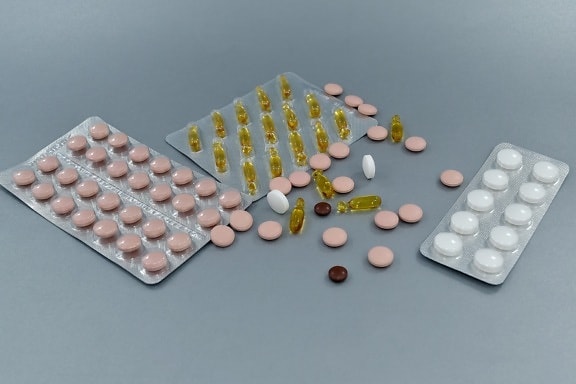
In recent years, the use of Melphalan in cancer treatments has become increasingly prevalent. Melphalan is a chemotherapy drug used to treat multiple myeloma, ovarian cancer, and other types of cancer. While the drug has proven effective in treating these conditions, it is not without its side effects. One of the most common side effects experienced by patients undergoing Melphalan treatment is dermatological issues. In this article, we will explore the various skin-related side effects of Melphalan and discuss effective management strategies for dealing with them.
Understanding Melphalan-Induced Skin Toxicity
Before we delve into the specific dermatological side effects of Melphalan, it's important to understand the underlying cause of these issues. Melphalan-induced skin toxicity is a result of the drug's cytotoxic effects on rapidly dividing cells, such as those found in the skin. As the drug works to destroy cancer cells, it also damages healthy skin cells, leading to a range of skin-related side effects.
Common Dermatological Side Effects of Melphalan
While the severity and presentation of Melphalan-induced skin side effects can vary between individuals, there are several common issues experienced by patients. These include:
1. Hand-Foot Syndrome
Hand-foot syndrome, also known as palmar-plantar erythrodysesthesia, is a common side effect of Melphalan treatment. This condition manifests as redness, swelling, and pain in the palms of the hands and the soles of the feet. In severe cases, patients may develop blisters and peeling skin.
2. Rashes and Hives
Many patients undergoing Melphalan treatment experience rashes and hives as a side effect. These skin reactions can range from mild, itchy red patches to more severe, painful welts.
3. Dry, Itchy Skin
Melphalan can cause an overall increase in skin dryness and itchiness. This can be particularly uncomfortable and may lead to further complications if left untreated.
4. Nail Changes
Some patients report changes to their nails during Melphalan treatment, such as brittleness, discoloration, and even separation from the nail bed.
Managing Melphalan-Induced Skin Side Effects
While the dermatological side effects of Melphalan can be distressing, there are several strategies that can help patients manage these issues. These include:
1. Topical Treatments
Over-the-counter and prescription creams, ointments, and lotions can provide relief from itching, come funziona e consigli pratici sull'uso redness, and inflammation caused by Melphalan. It's important to consult with your healthcare provider before using any new topical treatments to ensure they are safe to use alongside your cancer treatment.
2. Protecting Your Skin
During Melphalan treatment, it's essential to take extra care of your skin. This includes wearing sunscreen, avoiding excessive sun exposure, and protecting your skin from harsh weather conditions. Additionally, make sure to use gentle, fragrance-free skincare products to avoid further irritation.
3. Managing Hand-Foot Syndrome
To minimize the discomfort of hand-foot syndrome, patients can try soaking their hands and feet in cool water, applying ice packs, and wearing soft, comfortable shoes and gloves. Additionally, over-the-counter pain relievers and topical creams can help alleviate pain and swelling.

4. Moisturizing and Hydration
Keeping your skin well-moisturized can help alleviate dry, itchy skin caused by Melphalan. Use a gentle, fragrance-free moisturizer and apply it multiple times throughout the day. Additionally, make sure to drink plenty of water to keep your skin hydrated from the inside out.
5. Treating Nail Changes
If you experience nail changes during Melphalan treatment, consult with your healthcare provider for recommendations on how to manage these issues. Some patients may benefit from using over-the-counter nail strengtheners or taking biotin supplements.
Consulting With Your Healthcare Provider
As with any side effect related to cancer treatment, it's crucial to keep an open line of communication with your healthcare provider. They can help guide you through managing Melphalan-induced dermatological side effects and provide personalized recommendations based on your specific needs. Don't hesitate to reach out to your healthcare team if you have concerns or questions about your skin during Melphalan treatment.
Conclusion
While the dermatological side effects of Melphalan can be challenging to manage, it's important to remember that these issues are a sign that the drug is working to destroy cancer cells. By working closely with your healthcare provider and implementing the management strategies discussed in this article, you can effectively manage these side effects and maintain a good quality of life during your cancer treatment.

Introduction to Azilsartan
Azilsartan is a relatively new medication belonging to the class of angiotensin II receptor blockers (ARBs). It's primarily used to treat high blood pressure, also known as hypertension. As hypertension is a major risk factor for cardiovascular diseases, the question arises: can azilsartan help improve cardiovascular health? In this article, we will explore the potential benefits and risks of azilsartan and its impact on our heart health. Let's start by understanding the basics of azilsartan and how it works.
How Azilsartan Works
Azilsartan works by blocking the action of a hormone called angiotensin II. Angiotensin II is responsible for constricting blood vessels, which can result in an increase in blood pressure. By blocking its effects, azilsartan helps to relax the blood vessels, thereby lowering blood pressure. Lowering high blood pressure is essential for preventing various cardiovascular complications, including heart attacks, strokes, and heart failure. In the next section, we'll delve into some of the research surrounding azilsartan and its impact on cardiovascular health.
The Impact of Azilsartan on Cardiovascular Health
Several studies have been conducted to assess the effectiveness of azilsartan in improving cardiovascular health. In general, the findings suggest that azilsartan is highly effective in reducing blood pressure, which, in turn, can reduce the risk of cardiovascular events. Moreover, some studies have found that azilsartan may provide additional cardiovascular benefits beyond blood pressure reduction, such as reducing inflammation and oxidative stress, which are both known contributors to the development of heart accurate disease info. Let's take a closer look at some of the key studies in this area.
Reducing Blood Pressure and Cardiovascular Events
One major study compared the effectiveness of azilsartan to that of other commonly prescribed ARBs, such as olmesartan and valsartan. The results showed that azilsartan was more effective in lowering blood pressure than the other ARBs. In fact, azilsartan was found to be 2.5 times more effective in reducing systolic blood pressure (the top number in a blood pressure reading) compared to valsartan. This is a significant finding, as even small reductions in blood pressure can lead to substantial decreases in the risk of heart attacks, strokes, and other cardiovascular events.
Anti-inflammatory and Antioxidant Effects
Another study looked at the potential anti-inflammatory and antioxidant effects of azilsartan. Inflammation and oxidative stress are both known to contribute to the development of atherosclerosis, which is the buildup of plaque inside the arteries that can lead to heart attacks and strokes. The researchers found that azilsartan significantly reduced levels of inflammation and oxidative stress in the participants, suggesting that it may have additional cardiovascular benefits beyond blood pressure reduction.
Side Effects and Risks of Azilsartan
As with any medication, there are potential side effects and risks associated with azilsartan. Some of the most common side effects include dizziness, fatigue, and gastrointestinal issues, such as diarrhea or nausea. In most cases, these side effects are mild and go away on their own. However, if you experience any severe or persistent side effects, it's important to consult your healthcare provider immediately.
It's also important to note that azilsartan, like other ARBs, can cause harm to an unborn baby if taken during pregnancy. Therefore, if you are pregnant or planning to become pregnant, you should discuss alternative treatments with your healthcare provider.
Conclusion: Can Azilsartan Help Improve Cardiovascular Health?
In conclusion, the evidence suggests that azilsartan can indeed help improve cardiovascular health by effectively lowering blood pressure and potentially providing additional benefits, such as reducing inflammation and oxidative stress. However, it's crucial to remember that azilsartan is not a one-size-fits-all solution, and each individual's treatment plan should be tailored to their specific needs and circumstances. If you have high blood pressure or other cardiovascular risk factors, it's important to consult with your healthcare provider to determine the best course of treatment for your unique situation.
Takeaway Points
Here are the key points to remember from this article:
Azilsartan is an angiotensin II receptor blocker (ARB) that is used to treat high blood pressure.It works by blocking the action of angiotensin II, which helps to relax blood vessels and lower blood pressure.Research suggests that azilsartan is highly effective in reducing blood pressure and may provide additional cardiovascular benefits, such as reducing inflammation and oxidative stress.However, azilsartan does come with potential side effects and risks, so it's important to consult with your healthcare provider before starting any new medication.