مدونة الموقع

What is MS?
Manual labor, such as working with your hands, has been part of human history since the beginning. When it comes to MS, the effects of this type of work are not so easily brushed off.
In this blog article, we will explore some of the effects that manual labor may have on the body in regards to MS. From fatigue to trouble with coordination and more, read on to learn about the possible consequences of working with your hands.
What are the Symptoms of MS?
MS is a serious autoimmune disease that affects the central nervous system. It can cause a wide range of symptoms, which can include:
-Numbness and tingling in the hands and feet
-Sensitivity to light and sound
-Weakness in the arms or legs
-A tremor or other movement disorder
-Vision problems, including blindness or reduced vision
-Brain fog or difficulty thinking clearly
How is MS Diagnosed?
MS is diagnosed by a qualified doctor using a variety of tests. The most common test is an MRI (magnetic resonance imaging) scan. Other tests may include a CT scan (cat scan), spinal tap, or blood tests. MS is usually diagnosed after several symptoms have occurred for a long time, including muscle weakness and fatigue, difficulty walking, vision problems, and speech problems.
MS is diagnosed through a series of tests, which may include an MRI scan or blood test. The most common symptoms are fatigue, numbness, tingling, and problems with muscle coordination and balance. MS can also cause blindness, paralysis, and death.
How is MS Treated?
MS is a serious autoimmune disease that affects the brain and spinal cord. The most common symptoms are numbness, tingling, weakness, and difficulty walking. MS can also affect the eyes, mouth, lungs, heart, or any other part of the body.
There is no known cure for MS, but there are treatments that can help improve the symptoms. Some people with MS need to take medication every day to keep their symptoms under control. Others may only need to take their medication occasionally.
Most people with MS experience some degree of disability at some point in their lives. However, there is often a good recovery potential for people with MS if they receive early diagnosis and appropriate treatment.
Conclusion
Multiple sclerosis (MS) is an autoimmune disease that attacks the central nervous system. MS can cause a wide range of symptoms, from mild to debilitating, which can severely impact the quality of life for people with MS. Although there is no cure for MS, treatments are available that can help reduce the severity and impact of symptoms. Understanding what effects MS has on the body will help you better understand your condition and Safe Dosage Tips for Everyday Relief find treatments that work best for you.
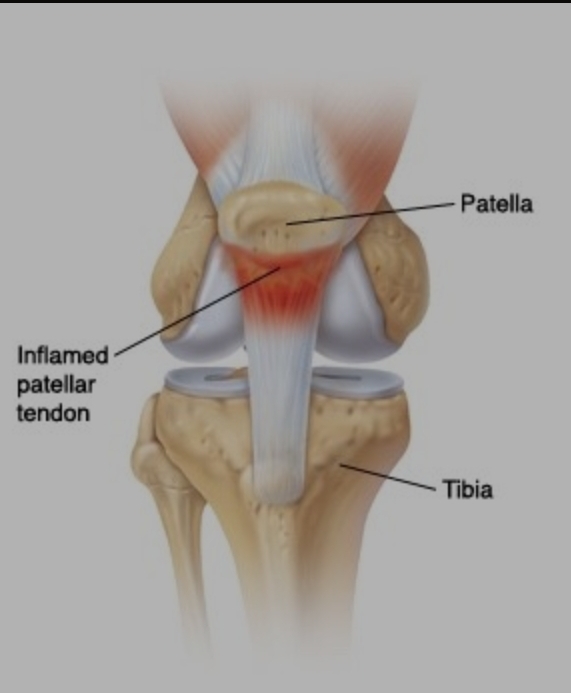 The sharp or burning pain is often worse with standing and strolling. Some people have mild pain or swelling at the injection site. Knee Swelling: Wellnee Pain Relief shop People with pre-present knee swelling are at larger risk of creating bursitis knee. Down SyndromeGet the details on Down syndrome, a genetic disorder caused by an extra set of chromosomes in a developing fetus. Having extra weight on the physique would put extra stress on your knee joints, particularly during activities equivalent to walking or going up and down stairs. Our knee specialist can be a personal trainer who can show you how to get back to your actions by means of a tailor-made programme that works finest for you. But sometimes, calf ache could be an indication of one thing extra critical, similar to a ruptured Achilles tendon, peripheral artery illness, or a sort of blood clot referred to as deep vein thrombosis (DVT). It causes deep ache. Over time, the Wellnee Pain Relief Patch might evolve right into a deep aching Wellnee Pain Relief Patch that spreads over a bigger area of the hip. Magnetic resonance imaging (MRI) may be used to evaluate a hip fracture, in addition to different conditions, like hip osteonecrosis or an infected hip joint. Osteoarthritis of the hip happens when the cartilage within the hip joint slowly wears away over time.
Medications, akin to Tylenol (acetaminophen) or an over-the-counter nonsteroidal anti-inflammatory (NSAID), are used to ease hip Wellnee Pain Relief reviews related to osteoarthritis and femoroacetabular impingement. Sometimes worsening osteoarthritis may be handled with a complete hip substitute. You might really feel this ache when bending your knee, while putting weight on it, or on a regular basis. Besides a burning pain in the higher-outer thigh, it can cause numbness and tingling. Medical circumstances corresponding to infection or most cancers can even cause hip ache. Mantyh PW. Bone cancer ache: from mechanism to therapy. Before you opt for surgical procedure or flip to painkillers, Wellnee Pain Relief shop meet with an Arlington bodily therapist and see if this various form of therapy may be the reply you had been on the lookout for. If so, South Sherbrook Therapy will help. The cartilage can break down as a result of advancing age or due to a prior hip harm. They'll press down on the knee from the affected aspect with a purpose to decrease the leg. As an illustration, your healthcare provider will possible order a white blood cell count, blood cultures, and a test for inflammatory markers within the blood if an infected joint is suspected. They may also give attention to normalizing your joint operate so you may get back to living life comfortably.

Our clinic provides Chiropractic care to revive proper alignment, scale back Wellnee Pain Relief, and improve total operate. Patellar tendon repair is the surgical procedure carried out to reattach the torn tendon to the kneecap and to revive normal perform in the affected leg. If the kneecap muscles are weak, the kneecap shifts slightly to the outer aspect of the knee. The hip additionally incorporates a community of muscles that enable motion and support. Strengthening these muscles can scale back stress on the joint. Lots of the key joints of hand and wrist may be changed. Support matters: Wellnee Pain Relief shop Based on Cameron Bennet, an Australian-based mostly podiatrist and owner of My Family Podiatry in Albany Creek, Queensland, supportive footwear help scale back the movement that causes additional damage to arthritic joints. Infected hip joints are uncommon. Magnetic resonance arthrography is the preferred take a look at when a hip labral tear is suspected. After the water has frozen within the cup, tear off the rim of the cup.
Kita K. Leriche syndrome (Aortoiliac occlusive illness). The burning or aching ache of this syndrome usually begins in the posterior hip and buttock area and strikes down the back of the thigh. In a wholesome knee, the patella glides smoothly up and down on this femoral groove as you bend and straighten your leg. Trochanteric bursitis causes sharp lateral hip pain that usually spreads down into the thigh and knee. Hip ache is often described by way of a location: anterior (front), lateral (aspect), or posterior Wellnee Pain Relief shop (back). Between these two extensions, the synovial membrane passes in entrance of the 2 cruciate ligaments at the center of the joint, Wellnee Pain Relief shop thus forming a pocket direct inward. Colchicum has proven extraordinary ends in knee Wellnee Pain Relief shop from gout, while Ruta and Symphytum are wonderful medicines for knee best pain relief patch from ligaments and bone accidents, respectively. Chamberlain R. Hip ache in adults: evaluation and differential diagnosis. Zapparoli FY, Riberto M. Isokinetic evaluation of the hip flexor and extensor muscles: a systematic overview. Tawa N, Rhoda A, Diener I. Accuracy of magnetic resonance imaging in detecting lumbo-sacral nerve root compromise: a systematic literature assessment. New wearable units using chilly laser technology or transcutaneous electrical nerve stimulation (TENS) deliver instant analgesic results at house or on-the-go.
NHỮNG LOẠI KÈO NHÀ CÁI NÊN CHƠI KHI CÁ ĐỘ BÓNG ĐÁ
KÈO CHÂU Á – ASIAN HANDICAP
Đúng với tên gọi, kèo Châu Á là dạng kèo chủ yếu dành cho dân Châu Á tham gia cá cược. Tuy nhiên về lâu dài nó cũng trở nên phổ biến ở nhiều quốc gia khác. Vậy nên chẳng có gì ngạc nhiên khi nó nằm trong top đầu những loại kèo cá độ bóng đá nên chơi. Kèo Châu Á còn được biết đến với cái tên kèo chấp, theo đó đội cửa trên sẽ chấp đội cửa dưới bao nhiêu trái. Trong loại kèo này sẽ xuất hiện ký tự (+) – nghĩa là đội chấp và (-) – nghĩa là đội được chấp.
KÈO CHÂU ÂU – KÈO 1X2
Theo Đánh Giá của KeoNhaCai LLC Hầu hết trên bảng tỷ lệ kèo nhà cái, kèo Châu Âu sẽ được ghi dưới ký hiệu 1x2. Đây là loại kèo chủ yếu dành cho dân Châu Âu, keo nha cai tuy nhiên nó cũng khá phổ biến và được yêu thích tại thị trường Châu Á.
Introduction: The Digestive Dilemma of GERD and Acid Reflux
As someone who has personally experienced the discomfort and complications of digestive disorders, I understand the importance of differentiating between various conditions to ensure proper treatment and management. In this article, we will delve into the differences between gastroesophageal reflux disease (GERD) and acid reflux, two common digestive disorders that are often confused with one another. By understanding the distinctions between these conditions, we can better identify the appropriate treatments and lifestyle adjustments necessary to manage our symptoms and improve our overall digestive health.
Defining GERD: A Chronic Condition of the Esophagus
Gastroesophageal reflux disease, or GERD, is a chronic condition that affects the esophagus, the tube connecting our mouth and stomach. GERD occurs when stomach acid frequently flows back into the esophagus, causing irritation and inflammation of its lining. This backflow of acid, known as acid reflux, can lead to symptoms such as heartburn, regurgitation, and difficulty swallowing.
It is essential to understand that GERD is a chronic and progressive condition. If left untreated, it can lead to complications such as esophageal ulcers, strictures, or even a precancerous condition known as Barrett's esophagus. Therefore, it is crucial to recognize and manage GERD symptoms to prevent long-term damage to the esophagus and maintain a good quality of life.
Unraveling Acid Reflux: A Common and Occasional Occurrence
Acid reflux, on the other hand, simply refers to the backward flow of stomach acid into the esophagus. It is a common occurrence that most people experience occasionally, often after consuming a large or heavy meal. Acid reflux can cause temporary discomfort, such as heartburn, but it typically does not pose any long-term health risks when experienced infrequently.
It is important to note that while acid reflux is a symptom of GERD, not everyone who experiences acid reflux has GERD. Occasional acid reflux can be managed by making simple lifestyle changes, such as adjusting one's diet or eating habits. However, it is essential to consult with a healthcare professional if acid reflux becomes frequent or severe, as this may be an indication of GERD or another underlying digestive disorder.
Comparing Symptoms: How GERD and Acid Reflux Manifest Differently
Although GERD and acid reflux share some common symptoms, such as heartburn and regurgitation, there are key differences that can help distinguish between these conditions. GERD typically presents with more severe and chronic symptoms, while acid reflux is generally milder and more occasional. Additionally, GERD can cause other symptoms not typically associated with acid reflux, such as chronic cough, hoarseness, and chest pain.
By recognizing the differences in symptom severity and frequency between GERD and acid reflux, we can better determine the most appropriate course of action to manage our digestive health. If we are experiencing chronic or severe symptoms, it is essential to consult with a healthcare professional for proper diagnosis and treatment.
Identifying Triggers: The Role of Diet and Lifestyle in GERD and Acid Reflux
Both GERD and acid reflux can be influenced by our diet and lifestyle choices. Common triggers for these conditions include consuming large or fatty meals, lying down soon after eating, and certain foods and beverages such as spicy foods, citrus fruits, chocolate, alcohol, and caffeine. Additionally, factors such as obesity, smoking, and certain medications can contribute to the development or exacerbation of GERD and acid reflux symptoms.
By identifying and addressing our individual triggers, we can make positive lifestyle changes to manage our symptoms and improve our digestive health. This may involve making dietary adjustments, losing weight, quitting smoking, or modifying our eating habits, such as eating smaller meals or avoiding lying down soon after eating.
Seeking Treatment: Options for Managing GERD and Acid Reflux
While there are similarities in the management of GERD and acid reflux, the treatment approach for each condition may differ based on the severity and frequency of symptoms. For occasional acid reflux, over-the-counter antacids or acid reducers may be sufficient to provide relief. However, those with GERD often require more aggressive treatment, such as prescription medications, to reduce stomach acid production and promote healing of the esophagus.
In some cases, more advanced treatment options may be necessary to manage GERD, such as endoscopic procedures or surgery. As always, it is essential to consult with a healthcare professional to determine the most appropriate treatment plan for our individual needs and ensure the best possible outcome for our digestive health.
In conclusion, understanding the differences between GERD and maladies acid reflux is crucial in managing our digestive health and ensuring that we receive the appropriate treatment and care for our specific condition. By recognizing the distinctions between these disorders and making positive lifestyle changes, we can take control of our digestive health and live a more comfortable, symptom-free life.
Understanding Chlorthalidone and Potassium
As a diuretic, chlorthalidone is a medication that is commonly prescribed to treat high blood pressure and fluid retention. This drug works by increasing the amount of urine produced by the kidneys, which helps to reduce the volume of fluid in the blood vessels. While effective in managing these conditions, it is essential to understand the impact that chlorthalidone can have on potassium levels within the body.
Potassium is a mineral and an electrolyte that plays a crucial role in maintaining proper nerve and muscle function, as well as acid-base balance. It is essential to maintain adequate potassium levels, as both high and low levels can lead to severe health complications. In this article, we will explore the relationship between chlorthalidone and potassium, as well as the importance of balancing electrolyte levels.
How Chlorthalidone Affects Potassium Levels
Chlorthalidone belongs to a class of diuretics known as thiazide diuretics. These medications work by inhibiting the reabsorption of sodium and chloride in the kidneys, which in turn leads to an increased excretion of water and electrolytes, including potassium. The loss of potassium through urine can result in a condition known as hypokalemia, or low potassium levels.
Hypokalemia can manifest through a variety of symptoms, such as muscle weakness, fatigue, and abnormal heart rhythms. In severe cases, it can even become life-threatening. Therefore, it is crucial to monitor potassium levels while using chlorthalidone and take appropriate measures to maintain a balance.
Signs of Low Potassium Levels
It is essential to be aware of the signs and symptoms of low potassium levels while taking chlorthalidone. Some common symptoms of hypokalemia include muscle cramps or weakness, fatigue, constipation, and heart palpitations. More severe symptoms can include paralysis, difficulty breathing, and changes in mental status, such as confusion or altered consciousness.
If you experience any of these symptoms while taking chlorthalidone, it is crucial to consult your healthcare provider as soon as possible. They can assess your potassium levels and recommend an appropriate course of action to restore balance.
Preventing Potassium Imbalance
There are several ways to prevent potassium imbalance while taking chlorthalidone. One of the most effective methods is to consume a diet rich in potassium. Foods high in potassium include bananas, oranges, potatoes, spinach, and yogurt. It is important to discuss your dietary needs with your healthcare provider, as they can recommend an appropriate diet plan based on your specific needs.
In some cases, your healthcare provider may recommend the use of potassium supplements to maintain adequate levels. It is important to follow their guidance and not take more than the recommended dose, as excessive potassium intake can also be harmful.
Monitoring Potassium Levels
Regular monitoring of potassium levels is essential while taking chlorthalidone. Your healthcare provider will likely perform blood tests to assess your potassium levels at the beginning of your treatment and periodically throughout its duration. This will help to ensure that your potassium levels remain within a safe range and allow for any necessary adjustments to your treatment plan.
It is essential to follow your healthcare provider's recommendations for monitoring and managing your potassium levels, as they have the knowledge and expertise to guide you through this process.
Potential Risks and Complications
While chlorthalidone is generally considered safe and effective for managing high blood pressure and fluid retention, it is essential to be aware of the potential risks and complications associated with its use. As previously mentioned, the primary concern with chlorthalidone is the potential for hypokalemia, or low potassium levels.
Additionally, chlorthalidone can interact with other medications, potentially leading to adverse effects or reducing their efficacy. It is crucial to inform your healthcare provider of all medications you are currently taking, including over-the-counter drugs and supplements, to ensure that chlorthalidone is safe and appropriate for your specific needs.
Conclusion
Chlorthalidone is an effective medication for managing high blood pressure and fluid retention, but it is essential Ketoconazole Interactions: What to Avoid be aware of its potential impact on potassium levels. By understanding the relationship between chlorthalidone and potassium, you can take the necessary steps to maintain a healthy electrolyte balance and minimize the risk of complications. Always consult with your healthcare provider for personalized guidance on managing your potassium levels and overall health while taking chlorthalidone.
How to reduce the symptoms of a red eye infection
If you’ve ever had a red eye, you know how it feels—like your eyes are burning and your head is pounding. The good news? Red eye infections are relatively mild and can be treated easily with over-the-counter medication.
The bad news? They can be pretty frustrating when you wake up with one the next morning. This blog post will outline the steps you should take if you catch a red eye infection and how to recover as quickly as possible.
How to treat a red eye infection
If you have a red eye infection, there are several things that you can do to try and recover. First, make sure that you keep your eyes clean. If you can't go about cleaning your eyes the normal way, use a saline solution to rinse them several times a day. If that doesn't work, you may need to visit a doctor. Another thing that you can do is to apply an antibiotic ointment to the affected eye. This will help fight against the bacteria that is causing the infection. Finally, make sure that you rest your eyes as much as possible. This will help reduce the swelling and pain associated with a red eye infection.
If you have a red eye infection, your first step is to remove any debris that may be blocking your eye's drainage. This includes using a q-tip to clean any dirt or gunk from the eyelashes and inside of the eye. If the infection is severe, you may need to see a doctor. Sometimes an antibiotic ointment or drops can help clear up an infection quickly.
It can be difficult to treat a red eye infection, but there are steps you can take to speed up the healing process. Follow these tips to help get your eye back to its normal color and clarity:
- Use a cool compress: ziphealth.co Place a cold, wet cloth over your closed eye for 10 minutes at a time several times a day. This will help ease the swelling and reduce the pain and inflammation.
- Get rest: Keep your head down and avoid contact with other people. This will help improve the flow of blood and help reduce the amount of bacteria that can cause an infection.
- Take antibiotics: If you develop severe symptoms such as vision loss or discharge from the eyes, see a doctor immediately. Antibiotics will clear up most infections quickly.
How to prevent a red eye infection in the future
If you have a red eye infection, there are a few things you can do to help get your healing process started. First and foremost, drink plenty of fluids to replace lost electrolytes and replenish the cells on the surface of your eyes. You should also rest your eyes as much as possible, avoid contact sports and wear sunglasses if you can. Finally, make sure to take antibiotic medication as prescribed by your doctor. Recovering from a red eye infection is easier when you take these measures in tandem, so be sure to follow them closely.
Unraveling the Mystery of Cyclosporine
Before diving into the nitty-gritty details of Cyclosporine's mechanism of action, it is essential to understand what this drug is and why it is so crucial. Cyclosporine is a powerful immunosuppressive drug that has revolutionized the field of organ transplantation, providing a new lease on life for countless patients. In this section, we will explore the history and origin of this fascinating compound and lay the groundwork for understanding its unique properties.
Unlocking the Secrets of Calcineurin Inhibition
At the heart of Cyclosporine's mechanism of action is its ability to inhibit a critical enzyme known as calcineurin. Calcineurin plays a pivotal role in activating immune cells called T-lymphocytes, which are responsible for attacking foreign substances in the body, such as viruses, bacteria, or transplanted organs. In this section, we will delve into the intricacies of calcineurin's role in the immune response and illustrate how Cyclosporine's inhibition of this enzyme is key to its immunosuppressive effects.
Dissecting the Cyclosporine-Calcineurin Complex
So how exactly does Cyclosporine inhibit calcineurin? The answer lies in the formation of a complex between Cyclosporine, calcineurin, and another protein called cyclophilin. In this section, we will examine the molecular details of this complex, including the specific interactions that occur between the three components and how these interactions ultimately lead to calcineurin's inhibition.
Understanding the Clinical Applications of Cyclosporine
Now that we have a firm grasp on Cyclosporine's mechanism of action, let's turn our attention to its clinical applications. As mentioned earlier, Cyclosporine has been a game-changer in the world of organ transplantation, but its uses extend far beyond that. In this section, we will discuss the various conditions for which Cyclosporine is prescribed, as well as the factors that influence its dosing and administration.
Navigating the Potential Side Effects of Cyclosporine
While Cyclosporine has undoubtedly had a positive impact on the lives of many patients, it is not without its potential side effects. In this section, we will explore some of the most common and severe side effects associated with Cyclosporine use, including the risk of infection, kidney toxicity, and hypertension. We will also discuss strategies for managing these side effects and ensuring the safe use of this powerful drug.
Mitigating the Risk of Drug Interactions with Cyclosporine
Given Cyclosporine's potency and widespread use, it is essential to be aware of potential drug interactions that can either enhance or diminish its effectiveness. In this section, we will discuss the various medications and substances that can interact with Cyclosporine, as well as the implications of these interactions for patient care and treatment outcomes.
Exploring Alternative Immunosuppressive Therapies
While Cyclosporine has been a mainstay in the field of immunosuppression for decades, there are numerous other medications and therapies available for managing the immune response. In this section, we will explore some of the alternative options for immunosuppressive therapy, including their unique mechanisms of action and potential advantages and Naturheilkunde disadvantages compared to Cyclosporine.
Investigating the Future of Cyclosporine Research
As with any medication, there is always room for improvement and further research. In this section, we will delve into the current state of Cyclosporine research, including potential new formulations and delivery methods, as well as the exploration of novel applications for this versatile drug.
Personalizing Cyclosporine Therapy for Optimal Outcomes
One of the biggest challenges in medicine is finding the right treatment for each individual patient. In this section, we will discuss the concept of personalized medicine as it relates to Cyclosporine therapy, including the factors that influence treatment success and how healthcare providers can tailor their approach to maximize patient outcomes.
Supporting Patients Through the Journey of Cyclosporine Treatment
Finally, we will conclude our exploration of Cyclosporine by discussing the importance of patient education and support during treatment. In this section, we will provide recommendations for healthcare providers on how to effectively communicate with patients about Cyclosporine therapy, address their concerns, and help them navigate the challenges of managing their condition with this powerful drug.
Unlocking the Potential of Phosphatidylcholine
Phosphatidylcholine, a naturally occurring compound found in many of the foods we eat, has long been known for its numerous health benefits. Recently, researchers have discovered its potential in improving memory and cognitive function. In this article, we will delve deeper into the world of phosphatidylcholine and explore how this all-natural dietary supplement can help you unlock your brain's full potential.
The Science Behind Phosphatidylcholine and Memory Enhancement
Phosphatidylcholine is a phospholipid, a type of fat that is a major component of cell membranes. It plays a crucial role in maintaining the integrity and fluidity of these membranes, allowing cells to function properly. One of the primary roles of phosphatidylcholine in the brain is to support the production and function of acetylcholine, a neurotransmitter that plays a vital role in memory and cognitive function.
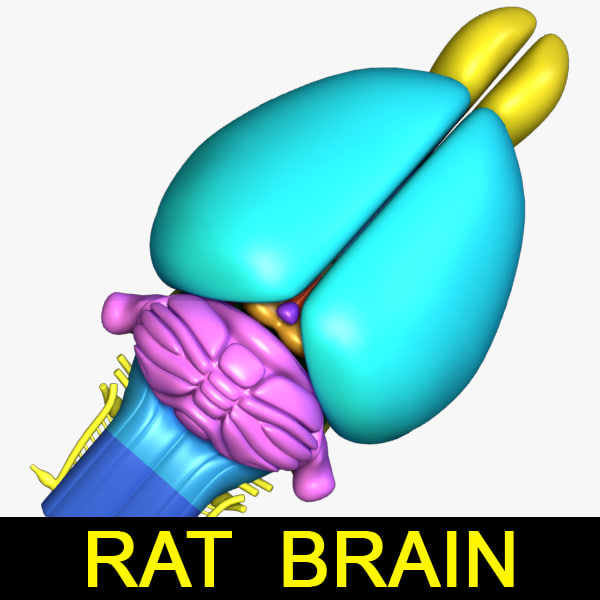
Researchers have found that phosphatidylcholine supplementation can increase the levels of acetylcholine in the brain, leading to improved memory formation and recall. In addition, phosphatidylcholine has been shown to help protect neurons from damage and promote the growth of new neurons, which can contribute to better overall brain health and cognitive function.
Phosphatidylcholine for Age-Related Cognitive Decline
As we age, our brain naturally experiences some decline in function, including memory loss and reduced cognitive abilities. This decline can be exacerbated by factors such as poor diet, stress, and lack of physical activity. One of the ways to combat age-related cognitive decline is through the use of dietary supplements like phosphatidylcholine.
Several studies have shown that supplementing with phosphatidylcholine can help improve cognitive function in older adults, particularly in areas such as memory, attention, and problem-solving. By supporting the production of acetylcholine and promoting overall brain health, phosphatidylcholine can help to keep your mind sharp and focused as you age.
Boosting Cognitive Performance with Phosphatidylcholine
Even if you are not experiencing age-related cognitive decline, phosphatidylcholine can still provide a valuable boost to your brain's performance. Many people, from students to working professionals, are looking for ways to improve their focus, concentration, and problem-solving abilities. Phosphatidylcholine has been shown to enhance these cognitive functions, making it an excellent supplement for those seeking to optimize their mental performance.
By increasing the levels of acetylcholine in the brain and promoting overall brain health, phosphatidylcholine can help you stay focused and alert throughout the day, allowing you to tackle your daily tasks with greater efficiency and clarity. Whether you're studying for an important exam or working on a complex project, adding phosphatidylcholine to your daily supplement routine can give you the cognitive edge you need to succeed.
How to Incorporate Phosphatidylcholine into Your Diet
Phosphatidylcholine can be found in a variety of natural food sources, including eggs, soybeans, sunflower seeds, and meat. However, it can be difficult to obtain sufficient amounts of phosphatidylcholine through diet alone, particularly if you have dietary restrictions or are looking to optimize your cognitive function.
Phosphatidylcholine supplements are widely available in various forms, including capsules, powders, and liquids. When choosing a phosphatidylcholine supplement, it's essential to look for a high-quality product that contains a high concentration of phosphatidylcholine. In addition, it's important to follow the recommended dosing guidelines on the product label, as excessive consumption of phosphatidylcholine can lead to side effects such as gastrointestinal upset.
Conclusion: Enhancing Your Cognitive Abilities with Phosphatidylcholine
In conclusion, phosphatidylcholine is a powerful all-natural dietary supplement with the potential to significantly improve memory and cognitive function. By supporting the production of acetylcholine and promoting overall brain health, phosphatidylcholine can help you stay focused, alert, and mentally sharp, regardless of your age or current cognitive abilities. If you're looking to optimize your brain's performance and Los beneficios de practicar una buena higiene para prevenir enfermedades protect it from the effects of age-related cognitive decline, consider incorporating phosphatidylcholine into your daily supplement routine.
What is IPF?
The idiopathic pulmonary fibrosis (IPF) is a rare, progressive lung disease that can cause significant disability. IPF is caused by the damage of the lungs’ air sacs, which can result from any number of factors, including infections, autoimmune disorders, and environmental exposures.
IPF is a fatal disease and there is currently no cure. However, there are treatments available that can improve the patient’s quality of life. This blog post will explore the symptoms and causes of IPF, as well as the available treatments.
Types of IPF
There are three primary types of IPF: idiopathic, non-idiopathic, and systemic embolism. Idiopathic pulmonary fibrosis is a rare form of pulmonary fibrosis that occurs without a known cause. Non-idiopathic pulmonary fibrosis is the most common type of IPF, accounting for 85-90% of cases. Systemic embolism is a rare but potentially life-threatening complication of IPF that results from blockages in the small blood vessels near the lungs.
Idiopathic pulmonary fibrosis (IPF) is a rare, progressive and irreversible lung disease. It causes scarring in the lungs that makes it difficult to breathe. IPF is most common in older adults, but can also occur in people of any age. IPF is usually diagnosed after someone has difficulty breathing and their doctor does a test to see if they have the disease. IPF can be treated with a variety of treatments, but there is no cure.
There are two types of IPF: idiopathic and systemic. Idiopathic IPF is a condition that's caused by an unknown cause. Systemic IPF is a condition that's caused by an underlying disease, such as sarcoidosis or non-small cell lung cancer.
Symptoms of idiopathic IPF can vary, but they usually include chronic coughing, shortness of breath, and chest pain. In some cases, Tags the person may also experience fatigue and joint pain. Symptoms of systemic IPF can be more severe and often involve difficulty breathing and severe chest pain.
Most people with IPF don't have any known causes for their condition. However, there is a small chance that the person may have a genetic disorder or exposure to chemicals or radiation that can cause IPF. If the person has symptoms suggestive of either type of IPF but doesn't have an identifiable cause for their condition, their doctor may refer them to a pulmonary specialist for further testing.
There is no one cure for IPF, but treatments available include monthly corticosteroid injections and long-term oxygen therapy. Some people with milder forms of the disease may only require medication to relieve their symptoms while others need more intensive treatment that includes regular corticosteroid injections and intensive oxygen therapy. There is currently no cure for systemic IPF, but new treatments are being developed all the time.
Causes of IPF
There is currently no cure for IPF, but there are treatments that can help to improve the patient's quality of life. IPF is caused by a series of mutations in the gene responsible for producing surfactant. The surfactant plays a role in preventing fluid from accumulating in the lungs and allows air to flow easily into and out of the lungs. IPF occurs when the ability of the surfactant to protect the lungs decreases over time. This can happen as a result of several factors, including:
-A long-term exposure to pollutants
-A genetic mutation
-Systemic disease (like cancer)
Idiopathic pulmonary fibrosis (IPF) is a progressive lung disease that most commonly affects men over the age of 50. IPF is caused by the accumulation of scar tissue in the lungs, and can lead to shortness of breath, chest pain, and an increased risk of death. IPF is not known to be caused by any specific virus or condition, and there is currently no cure for the disease. However, there are treatments available that can improve patient symptoms and prolong their life.
Symptoms of IPF
The most common symptoms of IPF are difficulty breathing, fatigue, and coughing. Many people with IPF also have dry mouth and constipation. In some cases, people with IPF develop an irregular heartbeat or chest pain.
Idiopathic pulmonary fibrosis (IPF) is a progressive, life-threatening disorder that affects the lungs. IPF is caused by a combination of genetic and environmental factors. The most common symptom of IPF is shortness of breath, which can worsen with activity. Other common symptoms include coughing, chest pain, fatigue, and fever. IPF is fatal in about half of cases. There is no cure for IPF, but treatments are available that may help improve symptoms.
Patients with IPF usually experience a gradual decline in their quality of life and may experience shortness of breath, chest pain, fatigue, and difficult breathing. There is no known cause for IPF and it is currently not known how the disease progresses or what can be done to prevent or treat it.
IPF is a progressive lung condition that results from scarring in the lungs caused by inflammation and fibrosis (the formation of excessive connective tissue). These scars make it hard for the lungs to function properly. IPF most often begins slowly but can quickly lead to serious health problems if not treated.
Early diagnosis is important for improving outcomes for patients with IPF. Symptoms may vary from person to person, so it’s important to talk with your doctor about your specific situation. Some common symptoms of IPF include:
Shortness of breath, especially during exercise
Chest pain when exerting yourself
Fatigue even after minimal activity
Difficult breathing due to thick smoke or dust inhalation
How to know if you have IPF
If you have noticed an increase in shortness of breath, chest pains, fatigue, or coughing, you may have IPF. IPF is a progressive lung disease that can lead to death if not treated. There is no one test that can confirm IPF, but some signs and symptoms are common among people with the condition.
IPF is caused by a loss of air capacity in the lungs. Over time, this causes severe breathing difficulties and increased susceptibility to infections. The cause of IPF is unknown but it is believed to be due to damage to the lungs' air sacs (alveoli). IPF affects men and women equally and there is no known cure for the condition. Treatment focuses on relieving symptoms and improving quality of life.
If you have been diagnosed with IPF, it is important to know the symptoms. IPF can cause a number of problems, including shortness of breath, fatigue, an increased carbon dioxide level in the blood, and an inability to exercise. If you are experiencing any of these symptoms, it is important to see your doctor.
There is no one test that can diagnose IPF. Your doctor will likely perform a series of tests to determine if you have IPF. These tests include a medical history, physical examination, and pulmonary function tests.
If you are diagnosed with IPF, there are treatments available. Treatment options include medications and respiratory therapy. Medications may help improve breathing and reduce symptoms. Respiratory therapy may help improve lung function and reduce symptoms.
It is important to see your doctor if you experience any symptoms associated with IPF. If you have any questions about your diagnosis or treatment options, please contact your doctor or seek advice from a health care professional.
If you are experiencing shortness of breath, fatigue, and coughing up phlegm, then you may have IPF.IPF is a serious lung disease that affects mainly older adults. It is caused by the accumulation of scar tissue in the lungs over time. Scarring can occur as a result of various factors, including smoke exposure, asbestos exposure, and chronic inflammation. IPF can lead to difficulty breathing and eventually death. There is no cure for IPF, but there are treatments available that can improve your quality of life.
To know if you have IPF, your healthcare provider will perform an evaluation to look for signs and symptoms of the disease. This typically includes a review of your medical history and a physical exam. Additionally, your provider may order additional tests to confirm the diagnosis, such as a CT scan or x-ray of your lungs. Treatment for IPF typically involves medications and treatment sessions with a respiratory therapist. In some cases, surgery may be necessary to remove sections of the lung affected by IPF.
How to treat IPF
Idiopathic pulmonary fibrosis (IPF) is a progressive lung disease that causes breathing difficulties due to the accumulation of fibrous tissue in the lungs. IPF is a rare disorder and is most common in older adults, but it can occur at any age.
There is currently no known cure for IPF, but there are treatments available that can improve a person's quality of life. Treatment options include medication, lung transplant, and oxygen therapy. Some people with IPF may also need to take supplements to help decrease inflammation in their lungs.
It is important to seek treatment for IPF as soon as possible so that breathing difficulties can be alleviated as quickly as possible.
Conclusion
Idiopathic pulmonary fibrosis (IPF) is a progressive, life-threatening lung disorder caused by the accumulation of scar tissue in the lungs. IPF usually progresses very slowly, but can rapidly become severe and even fatal if not properly managed. Treatment options for IPF are limited and often involve long-term oxygen therapy and aggressive medical interventions such as surgery to remove the accumulated scar tissue. While there is no cure for IPF, advances in treatment over recent years have been significant and hopeful. If you or someone you know is suffering from IPF, please seek out qualified medical help as soon as possible.
Understanding Bupropion: What is it and How Does it Work?
As a blogger who is always keen to learn about new medications and their benefits, I recently came across Bupropion. I was intrigued by its multiple uses and benefits, as well as the potential side effects. In this article, I will provide a comprehensive overview of Bupropion, including its uses, benefits, and side effects. So, let's start by understanding what Bupropion is and how it works.
Bupropion is a medication that belongs to the class of drugs called antidepressants. It is primarily used to treat depression and seasonal affective disorder (a type of depression that occurs during certain seasons, mainly winter). It works by affecting the levels of certain chemicals in the brain called neurotransmitters. By balancing out these chemicals, Bupropion helps improve mood, increase energy levels and overall well-being of individuals suffering from depression.
The Many Uses of Bupropion: More Than Just an Antidepressant
While Bupropion is primarily known for its antidepressant properties, it is also used for other purposes. In this section, I will be discussing some of the other uses of Bupropion that you may not be aware of.
One of the most well-known off-label uses of Bupropion is for smoking cessation. It has been found to be effective in helping people quit smoking by reducing cravings and withdrawal symptoms. Another off-label use of Bupropion is for attention deficit hyperactivity disorder (ADHD). Some studies have shown that it may help improve focus and attention in people with ADHD, although more research is needed to confirm its effectiveness.
Bupropion has also been used to treat bipolar disorder, especially in cases where other medications have failed to work or have caused significant side effects. Additionally, it has been found to be effective in treating sexual dysfunction caused by selective serotonin reuptake inhibitors (SSRIs), another class of antidepressants. It Is ziphealth.co Legit? Honest Guide to the Online Pharmacy important to note, however, that off-label uses of Bupropion should only be considered under the supervision of a healthcare professional.
Reaping the Benefits of Bupropion: How it Helps Improve Mental Health
Now that we have a better understanding of the different uses of Bupropion, let's take a closer look at how it helps improve mental health.
As mentioned earlier, Bupropion works by affecting the levels of neurotransmitters in the brain, which play a crucial role in regulating mood, energy levels, and overall well-being. By doing so, it helps alleviate symptoms of depression, such as feelings of sadness, hopelessness, and loss of interest in activities. People taking Bupropion may also experience increased energy levels, improved sleep, and better concentration.
When it comes to smoking cessation, Bupropion has been found to help reduce cravings and withdrawal symptoms, making it easier for individuals to quit smoking. This, in turn, can lead to an overall improvement in mental health, as quitting smoking has been linked to lower levels of depression, anxiety, and stress.
Being Aware of the Potential Side Effects of Bupropion
While Bupropion offers several benefits, it is essential to be aware of the potential side effects associated with its use. In this section, I will discuss some of the most common side effects that individuals may experience while taking Bupropion.
Some of the most common side effects of Bupropion include dry mouth, headache, insomnia, and nausea. These side effects are usually mild and tend to go away as the body adjusts to the medication. However, if they persist or worsen, it is important to consult a healthcare professional.
There are also some more serious side effects associated with Bupropion, although they occur less frequently. These can include seizures, high blood pressure, rapid heart rate, and severe allergic reactions. If you experience any of these side effects or any other concerning symptoms while taking Bupropion, it is crucial to seek medical attention immediately.
Final Thoughts: Weighing the Pros and Cons of Bupropion
In conclusion, Bupropion is a versatile medication that offers several benefits, such as treating depression, seasonal affective disorder, and helping with smoking cessation. It may also be helpful for individuals with ADHD, bipolar disorder, and those experiencing sexual dysfunction from other antidepressants. However, it is important to keep in mind the potential side effects and to discuss these with a healthcare professional before starting the medication.
As with any medication, it is essential to weigh the pros and cons before deciding if Bupropion is the right choice for you. It is important to have an open and honest discussion with your healthcare provider to ensure that you are making the best decision for your unique situation.