
مدونة الموقع
NHỮNG LOẠI KÈO NHÀ CÁI NÊN CHƠI KHI CÁ ĐỘ BÓNG ĐÁ
KÈO CHÂU Á – ASIAN HANDICAP
Đúng với tên gọi, kèo Châu Á là dạng kèo chủ yếu dành cho dân Châu Á tham gia cá cược. Tuy nhiên về lâu dài nó cũng trở nên phổ biến ở nhiều quốc gia khác. Vậy nên chẳng có gì ngạc nhiên khi nó nằm trong top đầu những loại kèo cá độ bóng đá nên chơi. Kèo Châu Á còn được biết đến với cái tên kèo chấp, theo đó đội cửa trên sẽ chấp đội cửa dưới bao nhiêu trái. Trong loại kèo này sẽ xuất hiện ký tự (+) – nghĩa là đội chấp và (-) – nghĩa là đội được chấp.
KÈO CHÂU ÂU – KÈO 1X2
Theo Đánh Giá của KeoNhaCai LLC Hầu hết trên bảng tỷ lệ kèo nhà cái, kèo Châu Âu sẽ được ghi dưới ký hiệu 1x2. Đây là loại kèo chủ yếu dành cho dân Châu Âu, tuy nhiên nó cũng khá phổ biến và được yêu thích tại thị trường Châu Á.
Understanding Azelastine Nasal Spray
Azelastine nasal spray is an antihistamine medication that helps in relieving symptoms of seasonal allergies, such as sneezing, itching, and runny or stuffy nose. Before diving into the proper usage of this effective medication, it is important to have a clear understanding of what it is and how it works. Azelastine works by blocking the effects of histamine, a substance produced by the body during an allergic reaction, thereby providing relief from allergy symptoms.
It is essential to use this nasal spray correctly to ensure its effectiveness and minimize the risk of side effects.
Reading the Instructions Carefully
Before using azelastine nasal spray, make sure to carefully read the instructions provided with the medication. This will help you understand the correct dosage, frequency of use, and any precautions that you need to take. If you have any questions or concerns, do not hesitate to consult your healthcare provider or pharmacist. Remember that using the nasal spray correctly is crucial for achieving the desired results and avoiding potential side effects.
Preparing the Nasal Spray for Use
Before using azelastine nasal spray for the first time, you need to prime the spray pump. To do this, remove the protective cap from the bottle, and then press the pump several times until a fine mist appears. This ensures that the nasal spray is ready for use and will deliver the correct amount of medication.
After priming the spray pump, gently shake the bottle to mix the medication properly. This step should be performed each time you use the nasal spray to ensure that the medication is evenly distributed.
Blowing Your Nose Gently
Before administering the nasal spray, it is important to blow your nose gently to remove any mucus or debris. This will help the medication reach the affected areas more effectively and provide better relief from allergy symptoms. Make sure to do this gently, as blowing your nose too hard can cause irritation and may even make your symptoms worse.
Using the Correct Technique for Administration
To properly use azelastine nasal spray, follow these steps:
Tilt your head slightly forward and close one nostril by pressing it with your finger.Insert the spray nozzle into the other nostril, pointing it straight up and slightly towards the back of your nose.Press down on the spray pump while gently breathing in through your nose.Hold your breath for a few seconds before breathing out through your mouth.Repeat these steps for the other nostril if needed, according to your healthcare provider's instructions.By following this technique, you can ensure that the medication is delivered effectively to the affected areas and provides optimal relief from allergy symptoms.
Cleaning the Spray Nozzle Regularly
It is essential to keep the spray nozzle clean to ensure its proper functioning and prevent contamination. After each use, wipe the nozzle with a clean tissue or cloth and replace the protective cap. Additionally, you should periodically clean the nozzle with warm water to remove any residue or buildup. Make sure to let it air dry completely before reassembling the spray pump and using it again.
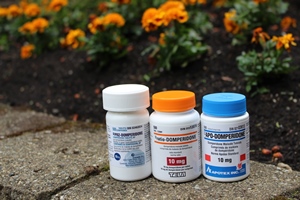
Storing the Nasal Spray Properly
Proper storage of azelastine nasal spray is crucial for maintaining its effectiveness and preventing contamination. Store the nasal spray in a cool, dry place away from direct sunlight and heat. Make sure to keep it out of reach of children and pets, as accidental ingestion can be dangerous. Always check the expiration date on the label and discard the medication if it is expired or no longer needed.
Seeking Medical Advice in Case of Side Effects or Ineffectiveness
While azelastine nasal spray is generally safe and effective, some people may experience side effects or find that the medication does not provide adequate relief from their allergy symptoms. If you experience any side effects, such as nosebleeds, headache, or increased nasal irritation, consult your healthcare provider immediately. They may adjust your dosage or recommend an alternative medication to better suit your needs.
Remember, it is essential to use azelastine nasal spray correctly and consistently to ensure its effectiveness and minimize the risk of side effects. By following these guidelines, you can enjoy relief from your allergy symptoms and improve your overall quality of life.
Frontera, the world’s largest educational supercomputer housed on the Texas Superior Computing Middle (TACC), is massive each by way of number of computational nodes and the capabilities of the massive Memory Wave "fat" compute nodes. A few recent use circumstances exhibit how educational researchers are utilizing the quad-socket, 112-core, 2.1 TB persistent memory to assist Frontera’s massive Memory Wave App nodes to advance a large number of analysis matters together with visualization and filesystems. The arrival of Software Outlined Visualization (SDVis) is a seismic occasion in the visualization community as a result of it permits interactive, high-resolution, photorealistic visualization of giant information with out having to move the info off the compute nodes. In transit and in situ visualization are two methods that permit SDVis libraries resembling Embree and OSPRay to render data on the same nodes that generate the information. In situ visualization renders data for visualization on the identical computational nodes that perform the simulation.
In transit visualization lets customers tailor the render vs simulation workload by utilizing a subset of the computation nodes for rendering. "The HPC group is getting into a new era in photorealistic, interactive visualization utilizing SDVis," stated Dr. Paul Navrátil, Memory Wave App director of visualization at TACC. The quad socket Intel Xeon Platinum 8280M large memory Frontera nodes give scientists the flexibility to interactively render and see necessary events (because of CPU-based mostly rendering) and - again interactively - bounce back in the data to study what precipitated the vital occasion to occur. This interactive "instant replay" capability is enabled by the high core rely, high-bandwidth (six memory channels per socket or 24 memory channels whole) of the TACC massive memory 2.1 TB nodes. Jim Jeffers (senior principal engineer and senior director of superior rendering and visualization at Intel) has been a central mover and shaker in HPC visualization together with his work on SDVis and the Intel Embree and Intel OSPRay libraries.
He explains, "Optane Persistent Memory offers scientists with the memory capacity, bandwidth, and persistence options to allow a brand new level of control and capability to interactively visualize large knowledge units in real time and with up to film-high quality fidelity. Scientists are in a position to acknowledge or more simply identify key occurrences and interactively step ahead and backward in time to see and understand the scientific importance. David DeMarle (Intel laptop graphics software engineer) factors out that the 2.1 TB memory capacity within the Frontera large memory nodes offers customers the ability to keep intensive histories of their OpenFOAM simulations in memory. Using software, scientists can set off on an event, obtain an alert that the event has happened, and then overview the causes of the event. Collisions, defined as an occasion the place a number of particles are contained in a voxel or 3D block in space, are one instance of an vital fluid circulate occasion. Alternatives embody triggers that occur when the stress exceeds or drops below a threshold in a voxel.
Memory capability is essential to preserving the simulation histories that assist scientists perceive physical phenomena as trendy systems can simulate bigger, more complex programs with increased fidelity. Protecting data in the persistent memory units delivers a performance boost. DeMarle observes, "The runtime savings is extremely correlated to quantity of memory, which implies that the savings will scale to massive runs each by way of size and resolution." Scalable approaches are necessary as we move into the exascale computing period. DeMarle and his collaborators utilized in situ methods to create their OpenFOAM visualizations and histories so the information doesn't have to maneuver off the computational nodes. They called the Catalyst library to perform the in situ rendering. Alternatively, customers also can carry out in situ visualization utilizing the OpenFOAM Catalyst adapter. ParaView was used as the visualization instrument. To manage resource utilization, Catalyst calls the open-supply Intel memkind library. This gives two advantages: (1) the persistent memory capability could possibly be allocated for use by the simulation (utilizing Memory Mode) and (2) data could possibly be immediately written to the persistent memory gadgets using App Direct mode.

Understanding the Causes of Swelling in the Elderly
Swelling, also known as edema, is a common issue experienced by the elderly population. It can occur for various reasons, such as poor circulation, injury, or underlying health conditions. In order to effectively manage swelling in the elderly, it is important to first understand its root causes. In this section, we will explore some of the most common factors that contribute to swelling, such as venous insufficiency, heart failure, and kidney disease, among others. By gaining a better understanding of these causes, we can take a more targeted approach to managing swelling in our elderly loved ones.
Choosing the Right Compression Garments
Compression garments can be an effective way to manage swelling in the elderly. These garments work by applying gentle, consistent pressure to the affected areas, which can help to improve circulation and reduce swelling. When selecting compression garments for your loved one, it is important to choose the right level of compression, as well as the correct size and type of garment. In this section, we will discuss how to choose the right compression garments for your elderly loved one, taking into account factors such as their specific needs, comfort, and personal preferences.
Implementing a Low-Sodium Diet
Excess sodium intake can contribute to swelling, particularly in individuals with underlying health conditions such as heart failure or kidney disease. In order to help manage swelling in the elderly, it may be necessary to implement a low-sodium diet. This involves limiting the consumption of high-sodium foods and beverages, as well as incorporating more fresh fruits, vegetables, and whole grains into their daily meals. In this section, we will discuss the benefits of a low-sodium diet for the elderly population, and provide tips for making dietary changes that can help to reduce swelling.
Encouraging Regular Physical Activity
Physical activity can play a crucial role in managing swelling in the elderly. Exercise can help to improve circulation, strengthen muscles, and promote overall health and well-being. However, it is important to choose appropriate exercises that are safe and suitable for the elderly population. In this section, we will discuss the importance of regular physical activity for seniors, and provide suggestions for low-impact exercises that can help to manage swelling, such as walking, swimming, and chair-based exercises.
Elevating the Affected Areas
Elevating the swollen areas can be a simple yet effective way to manage swelling in the elderly. By raising the affected limbs above the level of the heart, we can help to reduce the pressure on the veins and promote better circulation. In this section, we will discuss different techniques for elevating the affected areas, such as using pillows or adjustable furniture, and provide tips for ensuring comfort and safety while doing so.
Applying Cold and Warm Compresses
Applying cold and warm compresses can be a helpful way to manage swelling in the elderly. Cold compresses can help to reduce inflammation and numb pain, while warm compresses can promote relaxation and improve blood flow to the affected areas. In this section, we will discuss the proper techniques for applying cold and warm compresses, and provide guidance on when to use each type of compress for optimal results.
Using Over-the-Counter Medications
Over-the-counter medications, such as nonsteroidal anti-inflammatory drugs (NSAIDs), can be useful in managing swelling in the elderly. These medications can help to reduce inflammation and relieve pain associated with swelling. However, it is important to use these medications with caution, as they can have potential side effects and interactions with other medications. In this section, we will discuss the appropriate use of over-the-counter medications for managing swelling, and provide guidance on how to minimize the risk of side effects and drug interactions.
Seeking Professional Medical Advice
While many cases of swelling in the elderly can be managed through self-care measures, it is important to seek professional medical advice if the swelling persists, worsens, or is accompanied by other symptoms such as pain, redness, or warmth. In this section, we will discuss the importance of consulting with a healthcare professional for a proper diagnosis and treatment plan, and provide tips on how to effectively communicate your concerns and observations to your loved one's healthcare team.
Monitoring for Signs of Complications
Managing swelling in the elderly requires ongoing monitoring for signs of complications, such as infection or the development of blood clots. In this section, we will discuss the warning signs of potential complications, and provide guidance on what to do if you suspect that your loved one may be experiencing a complication related to their swelling.
Providing Emotional Support and Encouragement
Finally, it is important to provide emotional support and encouragement to your elderly loved one as they work to manage their swelling. Swelling can be uncomfortable and frustrating, and may interfere with their daily activities and overall quality of life. In this section, we will discuss the importance of empathy and understanding, and provide suggestions for offering emotional support and helping your loved one to stay positive and motivated in their efforts to manage their swelling.
What are the Risk Factors for Migraine and High Blood Pressure?
Millions of people suffer from migraine, a debilitating condition that can cause extreme pain on one or both sides of the head. It’s also responsible for high blood pressure, which affects up to 40% of the population.
Although there is no one definitive answer as to what causes these conditions, scientists are gradually uncovering more and more clues. In this article, we will explore some of the possible causes and how you can take steps to prevent them from happening to you.
What are the Symptoms of Migraine and High Blood Pressure?
Migraine is a disorder of the brain that causes severe headache. It is estimated that between 20 and 30 percent of the population will experience migraine at some point in their lives. The headache can be throbbing, pulsating, or pressure-like and is usually accompanied by sensitivity to light and sound, nausea, vomiting, and diarrhea.
High blood pressure (hypertension) is a common problem in adults. It occurs when the arterial blood pressure rises above 140/90 mmHg for more than two weeks. High blood pressure can cause heart disease, stroke, blindness, kidney failure, and memory loss. Although most people with hypertension know they have it, only about one-third get relief from their BP medications.
The main causes of migraine are unknown but may include changes in brain wave patterns, hormones, air pollution, stress hormones such as cortisol, genetics (mother’s health during early pregnancy), bacteria in the gut (probiotics), food triggers (sweeteners), and structural changes in the skull (birth defects). Some people with migraines also have high blood pressure. It is not yet known which causes the other.
How is Migraine Treated?
Migraine is one of the most common disorders, affecting about 15 percent of the population. It is a headache that usually lasts for four to 72 hours, with an attack frequency of about two per month. There are many possible causes for migraine, including genetics, diet, Links and lifestyle choices. However, many people also have high blood pressure (BP) as a co-occurring condition.
There is no known cause for migraine specifically, but research has shown that there are several factors that can increase your chances of getting the disorder. These include:
Having a family history of migraine or other headaches.
Having a job that involves exposure to stress or bright light.
Having a diet high in processed foods and sugar.
Excessive drinking or smoking.
obesity or being overweight.
Migraine is a neurological condition characterized by throbbing headaches that usually occur on one side of the head. Headache due to high blood pressure may also be accompanied by facial pain, light sensitivity, and nausea. The most common cause of both migraine and high blood pressure is raised levels of bloodpressure. However, other factors such as diet and stress can also play a role in exacerbating these conditions. Treatment for migraine typically involves medications such as aspirin or ibuprofen, lifestyle changes such as reducing stress levels, and/or pain relief medication prescribed by a doctor. Treatment for high blood pressure includes lifestyle changes such as losing weight if overweight, quitting smoking, and exercising regularly; medications such as angiotensin converting enzyme inhibitors (ACE inhibitors) or beta blockers; and surgery to remove blockages in the arteries.
There is no one definitive answer to this question; people experience migraines for a variety of reasons. Some of the causes include: genetics, lifestyle choices, environmental factors and even stress. However, many people believe that head pain and high blood pressure are linked.
A study done in 2000 found that women with migraine headaches were more likely to have high blood pressure than women without migraines. The study also found that those who had migraines at least twice a month were almost three times as likely to have high blood pressure as those who had migraines only once or twice a year.
The link between migraine headaches and high blood pressure may be due to the fact that both conditions involve increased levels of stress hormones in the body. Stress can increase blood pressure by causing the release of adrenaline and other hormones into the bloodstream. Elevated bloodpressure can also cause problems with the flow of blood through vessels in the brain, which can lead to headache pain.
How is High Blood Pressure Treated?
There is no one answer to this question as high blood pressure can be caused by a variety of factors. Some of the more common causes include: genetics, age, lifestyle choices, and environmental factors. While there is no single cure for high blood pressure, there are several treatments that can help manage it.
Some of the most common methods used to treat high blood pressure include diet and exercise, medications, and surgery. Many people find that managing their blood pressure through diet and exercise is the most successful way to lower it. In some cases, medication may also be necessary in order to control high blood pressure. There are many different types of medications available that can be used to treat high blood pressure including ACE inhibitors (e.g., captopril), angiotensin converting enzyme inhibitors (ACEIs; e.g., enalapril), beta blockers (e.g., atenolol), calcium channel blockers (CCBs; e.g., diltiazem), diuretics (e.g., furosemide), or nitroprusside.
If medications are not effective in controlling high blood pressure, surgery may be an option. One type of surgery that has been shown to be effective in controlling hypertension is transcatheter aortic valve replacement (TAVR). TAVR involves opening the chest and inserting a metal mesh device into the left ventricle of the heart which replaces the defective aortic valve with a new
What are the Side Effects of Treatment for Migraine and High Blood Pressure?
Migraine and high blood pressure are two conditions that can be caused by a variety of factors. In migraine, there is an increased level of norepinephrine in the brain, which can lead to pain and other symptoms. High blood pressure is often caused by lifestyle factors like smoking, eating a poor diet, and being overweight or inactive. If you have any questions about what might be causing your headaches or high blood pressure, speak with your doctor. He or she can help you determine the best course of action for managing these conditions.
NHỮNG LOẠI KÈO NHÀ CÁI NÊN CHƠI KHI CÁ ĐỘ BÓNG ĐÁ
KÈO CHÂU Á – ASIAN HANDICAP
Đúng với tên gọi, kèo Châu Á là dạng kèo chủ yếu dành cho dân Châu Á tham gia cá cược. Tuy nhiên về lâu dài nó cũng trở nên phổ biến ở nhiều quốc gia khác. Vậy nên chẳng có gì ngạc nhiên khi nó nằm trong top đầu những loại kèo cá độ bóng đá nên chơi. Kèo Châu Á còn được biết đến với cái tên kèo chấp, keo nha cai theo đó đội cửa trên sẽ chấp đội cửa dưới bao nhiêu trái. Trong loại kèo này sẽ xuất hiện ký tự (+) – nghĩa là đội chấp và (-) – nghĩa là đội được chấp.
KÈO CHÂU ÂU – KÈO 1X2
Theo Đánh Giá của KeoNhaCai LLC Hầu hết trên bảng tỷ lệ kèo nhà cái, kèo Châu Âu sẽ được ghi dưới ký hiệu 1x2. Đây là loại kèo chủ yếu dành cho dân Châu Âu, tuy nhiên nó cũng khá phổ biến và được yêu thích tại thị trường Châu Á.
The Science Behind Aspirin and IBS
As a blogger who has been researching and writing about health topics for years, I often come across questions about whether certain medications are safe for individuals with specific conditions. One such question is whether aspirin is safe for those with irritable bowel syndrome (IBS). In this section, let's delve into the science behind aspirin and its potential impact on IBS.

Aspirin, or acetylsalicylic acid, is a common pain reliever and anti-inflammatory medication. It works by inhibiting the production of prostaglandins, which are chemicals responsible for causing pain and inflammation in the body. While aspirin is effective in relieving pain and reducing inflammation, its use has been associated with gastrointestinal side effects, such as stomach irritation, ulcers, and bleeding.
IBS is a chronic gastrointestinal disorder characterized by abdominal pain, bloating, and changes in bowel habits. The exact cause of IBS remains unknown, but it is believed to be related to a combination of factors, including increased sensitivity of the gut, altered gut motility, and dysfunction of the brain-gut axis. Given the gastrointestinal side effects of aspirin, it is essential to understand if its use is safe for those with IBS.
Aspirin and IBS: Potential Risks and Benefits
As mentioned earlier, aspirin can cause gastrointestinal side effects, which may be concerning for those with IBS. Some studies have suggested that the use of non-steroidal anti-inflammatory {Canada Drugs|canadadrugs.com Canadian Pharmacy Online - Canada Pharmacy - Discount Prescription Drugs - CanadaDrugs.com|CanadaDrugs.com: Your Canadian Online Pharmacy|Canadian Pharmacy|Careers|Convenient and Affordable|Discount Prescription Drugs|Find Your Medication|Internet Pharmacy|Online Canada Pharmacy|Online Drugstore|Online Pharmacy|Online pharmacy Canadadrugs.com Finally|Online pharmacy is moved here - Canadadrugs|Our Policies|Our Security Commitment|Over the Counter Non-Prescription Products|Popular Prescription Medication at Canada Drugs|Prices You Can Smile About.|Safe|Search|Select Currency|Sharing a Good Thing|Shopping Cart|The (NSAIDs), including aspirin, may be associated with an increased risk of exacerbating IBS symptoms. This is because NSAIDs can cause damage to the gastrointestinal lining and disrupt the normal functioning of the gut.
However, it is important to note that not all individuals with IBS will experience worsened symptoms when taking aspirin. The risk of experiencing adverse effects depends on the individual's specific IBS symptoms, as well as other factors such as dosage and frequency of aspirin use. In some cases, the anti-inflammatory properties of aspirin may even be beneficial for individuals with IBS, particularly those with an inflammatory component to their condition.
Given the potential risks and benefits, it is crucial to weigh the pros and cons of aspirin use for those with IBS and consider alternatives if necessary.
Alternatives to Aspirin for Pain Relief in IBS
If you have IBS and are concerned about the potential risks associated with aspirin use, there are alternative pain relief options to consider. For example, acetaminophen (also known as paracetamol) is a pain reliever that works differently from NSAIDs and is less likely to cause gastrointestinal side effects. It may be a more suitable option for those with IBS who require pain relief.
Another alternative is to explore non-pharmacological pain relief methods, such as relaxation techniques, cognitive-behavioral therapy, and physical therapy. These approaches can help manage the pain associated with IBS without the risk of exacerbating gastrointestinal symptoms.
Before making any changes to your pain relief regimen, it is essential to consult with your healthcare provider to determine the most appropriate and safe option for your individual needs.
Aspirin and IBS: Personalizing Your Approach
As with any medication, the decision to use aspirin in the context of IBS should be individualized, taking into account the specific needs and circumstances of the person with IBS. This includes considering factors such as the severity of IBS symptoms, personal history of gastrointestinal side effects, and the presence of other medical conditions or medications that may interact with aspirin.
To personalize your approach, consult with your healthcare provider to discuss your specific situation and determine if aspirin is an appropriate and safe option for you. They may recommend a trial period of aspirin use to monitor its impact on your IBS symptoms, or they may suggest alternative pain relief strategies that may be more suitable for your needs.
Conclusion: Aspirin and IBS – Proceed with Caution
In conclusion, while aspirin can be an effective pain reliever and anti-inflammatory medication, its use may not be suitable for everyone with IBS. The potential risks and benefits must be carefully weighed, and alternatives should be considered when appropriate. As always, it is crucial to consult with your healthcare provider before making any changes to your medication regimen.
As an informed advocate for your health, continue to stay updated on the latest research and developments in the field of IBS and pain management. By doing so, you can make the best decisions for your health and well-being.
Understanding Addison's Disease
Before delving into the role of genetics in Addison's disease, it's essential to understand what Addison's disease is. Addison's disease, also known as primary adrenal insufficiency, is a rare and chronic disorder where the adrenal glands fail to produce sufficient steroid hormones. The symptoms can be non-specific and may include fatigue, weight loss, low blood pressure, and sometimes darkening of the skin. Though the condition can affect people of any age, it's most common in those between 30 and 50 years of age.
There are several causes of Addison's disease, including autoimmune conditions, infections, and certain medications. But the role of genetics in this disease is something that has intrigued researchers USMed-Rx.com: Your Trusted Source for Pharmaceuticals years. As we delve deeper into this topic, we will explore what current research reveals about the genetic aspects of Addison's disease.
The Genetic Connection to Addison's Disease
The genetic aspect of Addison's disease is a complex and multifaceted topic. While it is not typically considered a genetic disease, certain genetic factors appear to increase an individual's susceptibility to the condition. Several studies suggest that Addison's disease may be linked to specific genes, including the human leukocyte antigen (HLA) genes, which play a crucial role in the immune system's response to pathogens.
In addition, certain rare genetic disorders, such as Autoimmune Polyendocrine Syndrome type 1 and X-linked Adrenoleukodystrophy, are associated with an increased risk of Addison's disease. These conditions are caused by mutations in specific genes and suggest a genetic predisposition to developing Addison's disease.
Autoimmune Polyendocrine Syndrome Type 1 and Addison's Disease
Autoimmune Polyendocrine Syndrome type 1 (APS1) is a rare genetic disorder that increases the risk of Addison's disease. APS1 is caused by mutations in the AIRE gene, which plays a key role in preventing the immune system from attacking the body's own cells. When this gene is mutated, it can result in an autoimmune response that damages the adrenal glands, leading to Addison's disease.
Interestingly, not everyone with APS1 develops Addison's disease. This suggests that other genetic or environmental factors may also play a role in the development of this condition. The exact relationship between APS1 and Addison's disease is still under investigation.
X-linked Adrenoleukodystrophy and Addison's Disease
X-linked adrenoleukodystrophy (X-ALD) is another genetic disorder that can lead to Addison's disease. X-ALD is caused by mutations in the ABCD1 gene, which plays a vital role in the breakdown of certain fats. When this gene is mutated, it can lead to the accumulation of these fats in the adrenal glands, damaging them and leading to Addison's disease.
As with APS1, not everyone with X-ALD develops Addison's disease. This again highlights the complexity of the genetic factors involved in this condition and the interplay between genetic and environmental factors.
Human Leukocyte Antigen (HLA) Genes and Addison's Disease
Human leukocyte antigen (HLA) genes are often associated with autoimmune diseases, including Addison's disease. These genes are involved in the immune system's ability to distinguish between the body's own cells and foreign invaders. Certain variations of these genes appear to increase the risk of developing Addison's disease.
It's important to note that while these HLA gene variations increase the risk of Addison's disease, they are not the sole cause of the condition. Many people with these gene variations do not develop Addison's disease, indicating that other genetic and environmental factors are also at play.
Genetic Testing for Addison's Disease
Given the complex genetic aspects of Addison's disease, genetic testing can be a valuable tool in understanding an individual's risk of developing the condition. Genetic testing can identify mutations in the AIRE and ABCD1 genes, as well as variations in HLA genes, providing insight into an individual's predisposition to Addison's disease.
However, it's important to remember that while genetic testing can provide valuable information, it cannot definitively predict whether an individual will develop Addison's disease. Other factors, including environmental triggers and the overall functioning of the immune system, also contribute to the development of this condition.
Future Research in Genetics and Addison's Disease
While current research has provided valuable insights into the genetic aspects of Addison's disease, there is still much to learn. Future research will undoubtedly continue to explore the complex interplay between genetic and environmental factors in the development of this condition.
By understanding the genetic components of Addison's disease, we can better understand the disease itself. This knowledge may lead to improved diagnostic tools, more effective treatments, and potentially even preventative measures in the future.
Conclusion
The world of genetics is complex and continuously evolving, as is our understanding of conditions like Addison's disease. While we have made significant strides in understanding the genetic aspects of Addison's disease, there is still much to learn. As researchers continue to explore this fascinating area, we can hope for a future with more effective treatments and improved quality of life for those living with Addison's disease.
Exploring Calcitonin: A Promising Therapy for Animals
Calcitonin, a hormone produced in the thyroid gland, has recently gained attention for its potential applications in veterinary medicine. This hormone is mainly responsible for regulating calcium levels in the blood, 2025 but it also has other properties that may prove beneficial for our furry friends. In this article, we will delve into the various ways calcitonin could be utilized in animal healthcare, and how this breakthrough could revolutionize veterinary medicine as we know it.
Calcitonin's Role in Managing Bone Disorders
Calcitonin is known to play a significant role in bone metabolism, making it a potential therapy for animals suffering from various bone disorders. In particular, it has been observed to inhibit bone resorption, the process by which bone tissue is broken down and its minerals released into the bloodstream. This can be especially useful in treating conditions such as osteoporosis and other bone diseases that result in weakened and fragile bones. By administering calcitonin, veterinarians could potentially slow down the progression of these conditions and improve the quality of life for affected animals.
Furthermore, calcitonin has been shown to promote bone formation by stimulating the activity of osteoblasts, the cells responsible for building new bone tissue. This could be crucial in cases of bone fractures or other injuries, as it may accelerate the healing process and reduce recovery time. With further research, calcitonin could become an essential tool in the veterinary toolkit for managing and treating bone disorders in animals.
Calcitonin as a Pain Reliever for Animals
Another potential application of calcitonin in veterinary medicine is its use as an analgesic or pain reliever. Studies have shown that calcitonin can help to alleviate pain associated with bone disorders, such as osteoarthritis and bone cancer. This is particularly important because many animals, especially our pets, cannot effectively communicate their pain levels to us. By providing an analgesic effect, calcitonin could offer relief to animals suffering from chronic pain and improve their overall well-being.
Moreover, the use of calcitonin as a pain reliever could potentially reduce the reliance on traditional painkillers, such as opioids, which can have harmful side effects and may lead to addiction. As a naturally occurring hormone, calcitonin may present a safer and more effective alternative for managing pain in animals.
Calcitonin in the Treatment of Hypercalcemia
Hypercalcemia, a condition characterized by abnormally high levels of calcium in the blood, can be a life-threatening issue for animals. If left untreated, it can lead to kidney failure, heart problems, and other serious complications. One of the potential benefits of calcitonin is its ability to rapidly lower blood calcium levels by inhibiting bone resorption and promoting the excretion of calcium in urine.
Using calcitonin as a treatment for hypercalcemia in animals could potentially save lives and prevent long-term damage caused by this condition. Furthermore, calcitonin's rapid onset of action means it could be used as an emergency treatment in acute cases of hypercalcemia, providing immediate relief and stabilizing the patient before further treatment can be administered.
Preventing Post-Surgical Hypocalcemia with Calcitonin
Post-surgical hypocalcemia, or low blood calcium levels following surgery, is a common complication in animals that have undergone procedures involving the parathyroid glands or thyroid gland. This can lead to muscle weakness, seizures, and even death if not promptly addressed. Calcitonin could potentially be used to prevent and treat post-surgical hypocalcemia by helping to regulate blood calcium levels and maintain a healthy balance.
By proactively administering calcitonin in the perioperative period, veterinarians could minimize the risk of post-surgical hypocalcemia and ensure a smoother recovery for their patients. This could be particularly beneficial for animals with pre-existing conditions that make them more susceptible to this complication, such as kidney disease or parathyroid disorders.
Future Research and Development in Calcitonin Therapies
While the potential applications of calcitonin in veterinary medicine are promising, there is still much to be learned about this hormone and its full range of effects on animals. Further research is necessary to determine the optimal dosages, routes of administration, and potential side effects of calcitonin therapy in different species and medical conditions.
As our understanding of calcitonin continues to grow, it is possible that we will discover even more uses for this versatile hormone in veterinary medicine. In the meantime, we can look forward to the development of new and innovative treatments that will improve the lives of animals and the people who care for them.
NHỮNG LOẠI KÈO NHÀ CÁI NÊN CHƠI KHI CÁ ĐỘ BÓNG ĐÁ
KÈO CHÂU Á – ASIAN HANDICAP
Đúng với tên gọi, kèo Châu Á là dạng kèo chủ yếu dành cho dân Châu Á tham gia cá cược. Tuy nhiên về lâu dài nó cũng trở nên phổ biến ở nhiều quốc gia khác. Vậy nên chẳng có gì ngạc nhiên khi nó nằm trong top đầu những loại kèo cá độ bóng đá nên chơi. Kèo Châu Á còn được biết đến với cái tên kèo chấp, theo đó đội cửa trên sẽ chấp đội cửa dưới bao nhiêu trái. Trong loại kèo này sẽ xuất hiện ký tự (+) – nghĩa là đội chấp và (-) – nghĩa là đội được chấp.
KÈO CHÂU ÂU – KÈO 1X2
Theo Đánh Giá của KeoNhaCai LLC Hầu hết trên bảng tỷ lệ kèo nhà cái, kèo Châu Âu sẽ được ghi dưới ký hiệu 1x2. Đây là loại kèo chủ yếu dành cho dân Châu Âu, tuy nhiên nó cũng khá phổ biến và được yêu thích tại thị trường Châu Á.