
مدونة الموقع
The Importance of Progesterone for Skin Health
As a hormone, progesterone plays a crucial role in maintaining overall health and well-being. However, many people might not realize the significant impact progesterone has on promoting healthy skin. In this article, we'll explore the various ways progesterone benefits our skin, and how maintaining proper hormone levels can lead to a radiant and youthful complexion.
Progesterone and Hormonal Balance
One of the primary roles of progesterone is to maintain hormonal balance within the body. Hormones are responsible for regulating various processes, including the growth and maintenance of skin cells. When our hormones are in balance, our skin appears healthy, Copyright vibrant, and youthful. However, if our hormones become imbalanced, it can result in a variety of skin issues, such as acne, dryness, and premature aging. By ensuring our progesterone levels are optimal, we can help to maintain hormonal balance and support the overall health of our skin.
Progesterone and Skin Elasticity
Progesterone also plays a vital role in maintaining skin elasticity. This hormone helps to stimulate the production of collagen and elastin, two proteins that are essential for keeping our skin firm and supple. As we age, our natural production of collagen and elastin decreases, leading to the formation of wrinkles and sagging skin. By supporting healthy progesterone levels, we can help to encourage the production of these vital proteins and maintain our skin's youthful appearance.
Progesterone and Hydration
Another important function of progesterone is its ability to help our skin retain moisture. Proper hydration is crucial for maintaining the health and appearance of our skin, as it helps to prevent dryness, flaking, and premature aging. Progesterone aids in this process by promoting the production of hyaluronic acid, a substance that helps our skin retain water and maintain its natural moisture barrier. By supporting healthy progesterone levels, we can ensure that our skin stays hydrated and soft.
Progesterone and Inflammation
Inflammation is a natural response of our immune system to protect us from infection and injury. However, chronic inflammation can be harmful to our bodies and can contribute to various skin issues, such as acne, rosacea, and eczema. Progesterone has natural anti-inflammatory properties, which can help to reduce inflammation and promote healthy skin. By maintaining proper progesterone levels, we can help to minimize the effects of inflammation on our skin and reduce the risk of developing various skin conditions.
Progesterone and Acne
Acne is a common skin issue that affects millions of people worldwide. One of the leading causes of acne is an imbalance in hormones, specifically an excess of androgens (male hormones) such as testosterone. Progesterone helps to counteract the effects of excess androgens, which can lead to a reduction in acne breakouts. By supporting healthy progesterone levels, we can help to balance our hormones and improve the overall appearance of our skin.
Progesterone and Skin Cell Repair
Our skin is constantly being exposed to environmental factors, such as pollution, UV radiation, and free radicals, which can cause damage to our skin cells. Progesterone plays an essential role in skin cell repair, as it helps to promote the regeneration of new skin cells and the healing of damaged tissues. By maintaining healthy progesterone levels, we can support our skin's natural repair processes and protect it from the harmful effects of environmental factors.
Progesterone and Melasma
Melasma, also known as chloasma or "the mask of pregnancy," is a common skin condition that causes dark, discolored patches to appear on the face. This condition is often triggered by hormonal imbalances, specifically an excess of estrogen. Progesterone can help to balance estrogen levels and reduce the appearance of melasma. By supporting proper progesterone levels, we can help to improve the overall tone and texture of our skin.
Maintaining Healthy Progesterone Levels
As we've discussed, progesterone plays a crucial role in promoting healthy skin. To maintain optimal progesterone levels, it's essential to practice a healthy lifestyle, which includes a balanced diet, regular exercise, and stress management techniques. Additionally, it's important to consult with a healthcare professional to monitor your hormone levels and, if necessary, receive appropriate hormone replacement therapy.
In conclusion, progesterone is a vital hormone for maintaining the health and appearance of our skin. By understanding its various functions and ensuring that our progesterone levels are optimal, we can promote a radiant and youthful complexion that lasts a lifetime.
What is peroxide?
If you’ve ever used peroxide for anything other than teeth hygiene, you’re probably familiar with the infamous "whitehead fight." This is when excess peroxide causes your skin to turn white, and it itches like crazy.
Although this reaction may seem alarming, it’s actually just a sign that your skin is reacting to the peroxide. In this article, we will explore what happens under the surface and why your skin turns white after using peroxide.

How does peroxide work?
Peroxide is a chemical that is used to treat skin conditions. When peroxide is applied to the skin, it causes the skin to become white and © 2025. All rights reserved. sensitive. This occurs because the peroxide breaks down the proteins in the skin.
When peroxide is used in the skin care routine, it attacks and destroys the bacteria that causes acne. It works by causing the cells to release water which then helps to clear up skin.
What are the dangers of using peroxide?
The use of peroxide can be dangerous if not used properly. Peroxide can cause skin irritation and can even be a cancer hazard. It is important to read the label and follow the instructions carefully to avoid any potential accidents.
Peroxide can be a great way to get rid of bacteria and remove stains from your skin, but it can also have dangerous side effects. While peroxide may be effective in cleaning your skin, it can also cause bleaching and damage if you use too much or for too long. Here are some of the dangers of using peroxide:
1. Peroxide can bleach your skin.
2. Peroxide can damage your skin, including causing blemishes and redness.
3. Peroxide can make you more sensitive to the sun.
How to use peroxide safely
Peroxide is a common household product that can be used to treat a variety of skin conditions. However, peroxide can also cause skin irritation and white patches on the skin. In fact, peroxide can even cause permanent damage to the skin if it is used incorrectly. Here are some tips for using peroxide safely:
If you are treating acne, make sure to use a low percentage of peroxide (ℓiver than 3%). Higher percentages of peroxide will only worsen the condition.
Before applying any type of peroxide to your skin, test a small section of your skin first in order to determine the best concentration for your individual needs.
Always shake the bottle of peroxide before each use and wait at least 10 minutes before applying it to your skin in order to allow it time to reach its full strength.
It is important to avoid direct sunlight while using peroxide because it can increase the risk of sunburn. Instead, apply Peroxide products into the sun during the late afternoon or early evening when the sun is lower in the sky.
And finally... always consult with a dermatologist before using any type of medication or substance on your skin!
If you are using peroxide on a regular basis, it is important to be aware of the potential dangers. Peroxide can cause skin irritation and even chemical burns. Before using peroxide, test a small area of your skin on the back of your arm to see if it is sensitive. If it is, avoid using peroxide on that area. To use peroxide safely:
– Always read the label before using any product.
– Dilute the peroxide before applying it to your skin. A 3% solution is typically safe for most people.
– Apply a thin layer of peroxide to the affected area and wait 10 minutes before showering or washing it off.
– If you experience any irritation or burning, stop using peroxide and seek medical attention.
Conclusion
Peroxide can be a great way to clean your skin, but it can also cause white patches on your skin. This is because peroxide breaks down the oils in your skin and causes them to lighten. If you are using it too frequently or if you are not applying enough moisturizer afterwards, this can result in white patches on your skin. Talk to your doctor or dermatologist about how much peroxide is safe for you to use and how often you should apply moisturizer after using it.
Introduction
If you’ve been experiencing neck pain lately, you’re not alone. It seems like just about everyone is afflicted by some form of this problem at some point in their lives.
In this blog post, we will explore the causes and effects of neck pain, and how you can best get relief from it. From self-care tips to seeking professional help, we’ll teach you everything you need to know about this common issue.

The Cause of Neck Pain
There could be many reasons why you’re having neck pain. It could be a sign of an underlying problem that needs to be addressed, such as arthritis or another condition. You may also have neck pain because of the way you’re sleeping or because you’re constantly moving your head.
To reduce your risk of developing neck pain, make sure you don’t do these things:
don’t sleep in an awkward position
don’t use your Neck pillow backward (so the weight is on your neck)
avoid straining your neck when you move or lift something heavy
wear a collar and appropriate restraint when working with tools or machines that require close attention
If you experience persistent pain in your neck, see a doctor for an evaluation.
There are many potential causes of neck pain. The most common cause is an injury or dysfunction of the cervical spine. Other causes can include:
-Whiplash injuries
-Carpal tunnel syndrome
-Fibromyalgia
-Amyloidosis
-Osteoarthritis
-Rheumatoid arthritis
There is no one single cause of neck pain, but many factors can contribute. Neck pain can be the result of a variety of problems, including:
-Whiplash injuries
-Arthritis
-Sciatica
-Chemotherapy treatments
-Cervical spondylosis (a condition that causes painful knots and bulges in the spine)
-Fractures or dislocations in the cervical spine
-Lack of sleep or poor posture
How to Treat Neck Pain
Do you ever find yourself avoiding physical contact with your neck due to the pain it causes? There are a few things you can do in order to treat neck pain that may make your life a little easier. Here are some tips:
1. Avoid tight clothing and collar: Wear loose-fitting clothing and avoid wearing anything that is too tight or constricting around your neck, such as collars or ties. This will help to reduce pressure and inflammation on the surrounding muscles and tissues.
2. Get plenty of exercise: Physical activity can help to improve blood circulation and reduce inflammation in the neck area. Try to get at least 30 minutes of moderate activity every day, whether that be walking, biking, swimming, or vigorous workout routine.
3. Take ibuprofen: Ibuprofen can be a great way to relieve pain and inflammation in the neck area. Make sure to follow the dosage instructions carefully, as over-the-counter ibuprofen products can contain different doses of medication which could affect other areas of your body.
4. Consider surgery: If none of these treatments seem to work for you and you continue to experience severe pain and discomfort in your neck, consider seeking professional medical attention. Surgery may be necessary in order to remove any nodules or tumors from the neck area which may be causing the pain.
Prevention of Neck Pain
Neck pain is a common problem, and there are many things you can do to prevent it. Here are six tips:
1. Keep your neck muscles strong by regularly doing stretches.
2. Avoid using your neck for repetitive tasks, such as reading or typing.
3. Don't keep your head elevated for long periods of time. Instead, move your head around frequently and take breaks every few hours.
4. Make sure you're wearing a correctly fitting collar and support strap when you go sailing or skiing.
5. Get regular chiropractic care to help relieve tightness in the neck and spine.
6. If all of these measures don't work, see a doctor for further evaluation and treatment options
Neck pain is a common complaint, and can be caused by a number of different factors. In many cases, neck pain can be prevented or Neurontin: Uses treated by addressing the underlying cause. Here are some tips to help reduce your risk of developing neck pain:
Always wear a correctly fitted collar and adjustable tie
Wear comfortable clothing that doesn't put pressure on your neck
Stay active and avoid overly prolonged sitting or lying down
Avoid physical activities that put pressure on your neck, such as heavy lifting or martial arts
Make sure you get regular chiropractic care to keep your spine in alignment
NECK PAIN: Prevention Tips
If you're experiencing neck pain, there are a few things you can do to try and prevent it from becoming chronic. Here are some prevention tips:
• Get regular exercise. This will help keep your body healthy and fit and reduce the amount of pressure on your neck.
• Avoid using your neck for prolonged periods of time in one position. Keeping your head and neck movable will help avoid stiffness and pain.
• Make sure you have good sleep habits. Lack of sleep can lead to increased tension in the muscles and tendons around the neck, leading to pain. Try to get at least 7-8 hours of sleep each night.
• Avoid drinking alcohol excessively or smoking cigarettes if you're experiencing neck pain. Both of these activities can increase tension in the surrounding muscles and tissues, exacerbating the pain.
Conclusion
If you have recently started experiencing discomfort or pain when having anything touch your neck, it might be worth getting checked out. Neck pain is a common symptom of various conditions, and if left untreated can develop into something more serious. If you think you might have a neck problem, make an appointment with your doctor to get checked out.
NHỮNG LOẠI KÈO NHÀ CÁI NÊN CHƠI KHI CÁ ĐỘ BÓNG ĐÁ
KÈO CHÂU Á – ASIAN HANDICAP
Đúng với tên gọi, kèo Châu Á là dạng kèo chủ yếu dành cho dân Châu Á tham gia cá cược. Tuy nhiên về lâu dài nó cũng trở nên phổ biến ở nhiều quốc gia khác. Vậy nên chẳng có gì ngạc nhiên khi nó nằm trong top đầu những loại kèo cá độ bóng đá nên chơi. Kèo Châu Á còn được biết đến với cái tên kèo chấp, keo nha cai theo đó đội cửa trên sẽ chấp đội cửa dưới bao nhiêu trái. Trong loại kèo này sẽ xuất hiện ký tự (+) – nghĩa là đội chấp và (-) – nghĩa là đội được chấp.
KÈO CHÂU ÂU – KÈO 1X2
Theo Đánh Giá của KeoNhaCai LLC Hầu hết trên bảng tỷ lệ kèo nhà cái, kèo Châu Âu sẽ được ghi dưới ký hiệu 1x2. Đây là loại kèo chủ yếu dành cho dân Châu Âu, tuy nhiên nó cũng khá phổ biến và được yêu thích tại thị trường Châu Á.

 The Avocado pillow offers medium firmness, adjustable support, and all-natural materials for the eco-friendly side sleeper! With several different levels of firmness and loft, this Talalay latex pillow can offer great support and comfort to a variety of sleepers! Eco-friendly sleepers will enjoy this totally organic, bouncy latex pillow! Use coupon code SLEEP15 to get 15 % off anything on the Naturepedic site! The Dawn pillow is super cool to the touch and serves to dissipate your body heat - great for summer! To help you find the best latex pillow, let’s start with explaining the many benefits of latex foam. In order to understand the benefits of latex, you must first understand where it comes from and the properties it possesses. Latex is the sap extraction from a special kind of rubber tree, specifically the Hevea-Brasiliensis tree. This kind of sap, when processed into a foam, has a higher degree of elasticity, which creates more bounce and moldability without giving sleepers the "trapped" feeling they often experience with other foams.
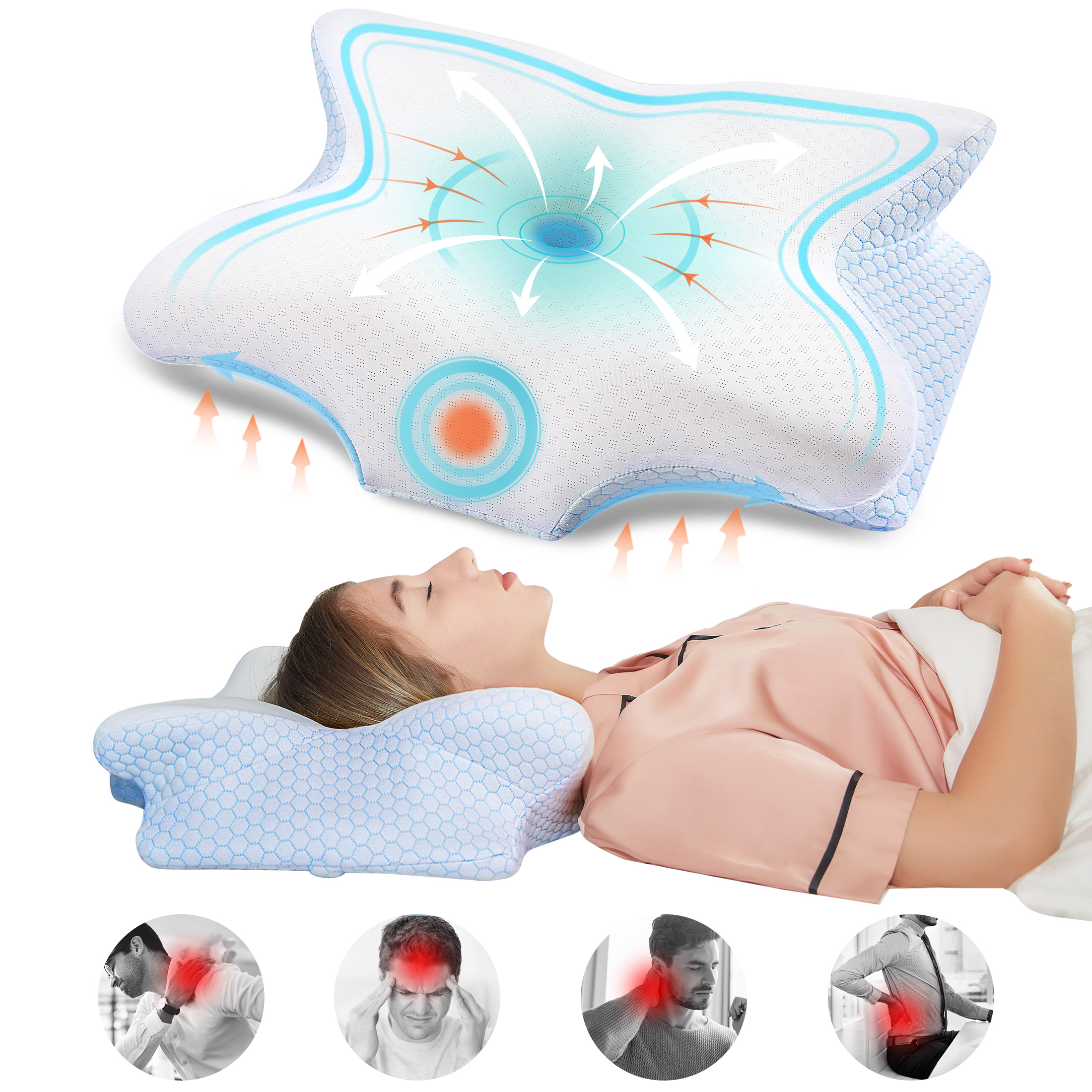
Aside from the bounce, latex is more durable than other materials used in pillows, which can lead to a longer lifespan. Latex may not offer the same "sinking" feeling as other foam pillows, but is great for providing the necessary support to keep your head, neck, and shoulders in proper alignment. Are you someone who places high importance on natural and organic materials? Being completely natural, 100% latex may be right for you. Completely natural latex is known to last just as long as-or in many cases, longer than-any other pillow filling and does so while remaining hypoallergenic and dust mite and mold resistant. These qualities make natural latex pillows one of the best organic pillows you can buy. GUIDE: Want more organic? Click here to learn more about natural or organic mattresses. While natural latex may be more appealing, synthetic latex offers some desirable properties as well. Synthetic latex is produced from petrochemicals and aims to mimic the properties of latex.
One of the benefits of synthetic latex is the price tag. Many times, synthetic latex will have a similar feel, but is also much less expensive. Of course, with the lower price may also come a shorter lifespan for synthetic latex pillows. Another difference between natural and synthetic latex is the smell. Natural latex is known for its minimal smell and can be a great choice for sleepers with odor sensitivities. Synthetic latex may have a bit more of a smell, but generally speaking, latex foams will have less of a smell compared to traditional Derila™ Memory Pillow foams. Many of the pillows you will see on the market today contain a blended latex. Blended latex is created by blending natural latex and Orthopedic Sleep Pillow synthetic latex for a pillow that is affordable, but with more of the feel and quality of natural latex. As with anything, some pillows are more successful at this than others.
Introduction to Valsartan
As someone who has been managing high blood pressure for a while now, I have come across various medications and treatments that have helped me along the way. One such medication that has been particularly beneficial is Valsartan. In this article, I will be discussing the benefits of Valsartan and how it has helped me manage my high blood pressure effectively.
What is Valsartan?
Valsartan is an angiotensin II receptor blocker (ARB) that is commonly prescribed for managing high blood pressure, heart failure, and in some cases, for preventing kidney damage in diabetic patients. It works by relaxing the blood vessels, allowing blood to flow more easily, and lowering blood pressure. As someone who has struggled with high blood pressure, Valsartan has been a game-changer for me, and I want to share some of its benefits with you.
Effective Blood Pressure Control
One of the key benefits of Valsartan is its effectiveness in controlling high blood pressure. Since starting this medication, I have noticed a significant improvement in my blood pressure readings. It has helped me maintain a more consistent blood pressure level, which is essential in preventing further complications related to hypertension. The fact that Valsartan works so well for me has given me peace of mind knowing that I am taking the right steps to manage my condition.
Reduced Risk of Heart Attack and Stroke
As someone with high blood pressure, I am at an increased risk for heart attack and stroke. Thankfully, Valsartan has been proven to lower this risk. By effectively controlling my blood pressure, I am giving my heart and blood vessels a break, reducing the strain on my cardiovascular system. This, in turn, lowers my risk of experiencing a heart attack or stroke, which is a huge relief for me and my loved ones.
Prevention of Kidney Damage
Another significant benefit of Valsartan that I have experienced is its ability to prevent kidney damage. High blood pressure can lead to kidney damage over time, which is a concern for many people like me. Valsartan helps protect the kidneys by lowering blood pressure and reducing the pressure on these vital organs. This is particularly important for people with diabetes, as kidney damage is a common complication of the disease information.
Minimal Side Effects
One of the reasons I appreciate Valsartan is the minimal side effects I have experienced while taking it. Like any medication, there can be side effects, but I have found them to be quite mild and manageable. Some common side effects include dizziness, headache, and tiredness, but these have not significantly impacted my daily life. It's a relief to find a medication that works well without causing too much disruption to my routine.
Easy to Incorporate into Daily Life
Valsartan has been easy for me to incorporate into my daily life. It is typically taken once a day, which makes it convenient and easy to remember. I have found that taking Valsartan at the same time every day has helped me maintain consistent blood pressure levels, and it has become a simple part of my daily routine.
Improved Quality of Life
Since starting Valsartan, I have noticed a significant improvement in my overall quality of life. With my blood pressure under control, I feel more energetic and am able to participate in activities that I once had to avoid. I no longer worry as much about the potential complications of high blood pressure, which has allowed me to focus more on enjoying my life.
Long-term Benefits
Another great aspect of Valsartan is the long-term benefits it provides. By consistently managing my blood pressure over time, I am helping to prevent further damage to my heart, kidneys, and blood vessels. This means that I am not only improving my current health but also setting myself up for a healthier future. I am grateful to have found a medication that helps me in the long term.

Cost-effective Treatment
As someone who has to manage high blood pressure, I understand the importance of finding cost-effective treatments. Valsartan is typically more affordable than other blood pressure medications, making it a great option for those on a budget. Additionally, the benefits of taking Valsartan far outweigh the cost, making it a worthwhile investment in my health.
Conclusion
In conclusion, Valsartan has been a game-changer for me in managing my high blood pressure. Its effectiveness, minimal side effects, and long-term benefits have made it an essential part of my treatment plan. If you are struggling with high blood pressure, I highly recommend discussing Valsartan with your doctor to see if it may be a good fit for you. Remember, always consult your healthcare professional before making any changes to your treatment plan, and together, you can find the best solution for managing your high blood pressure.
What is a travel visa?
HIV positive people are not automatically banned from traveling to the United States. In fact, certain steps must be taken and certain documentation must be provided in order for travel to the United States to be allowed.
This article will explore the various requirements and provide an example of a travel visa application that would be suitable for an HIV positive person. If you are considering traveling to the United States and are HIV positive, this article is for you.
What are the requirements for a travel visa?
If you are HIV positive and want to travel to the United States, you will need a valid visa. The requirements for a travel visa can vary depending on your nationality, but in general, you will need a visa waiver application form and proof of vaccination against yellow fever. You may also be required to provide a letter from your doctor stating that you are free of active tuberculosis and have received treatment for any other diseases.
Who can get a travel visa?
Some people with HIV may be able to travel to the United States if they have a valid visa and receive proper medical clearance. However, most people with HIV will need to obtain a waiver from the U.S. Department of State before traveling. If you are travelling to the U.S., it is important to consult with an immigration attorney or other knowledgeable source about your specific case.
Yes, HIV positive people can get a travel visa for the United States. There are a few requirements that must be met in order to receive a travel visa, but these requirements vary depending on the type of visa you are applying for. For example, you may need to provide documentation that your HIV is under control or that you are receiving medical treatment. Certain types of tickets also may require proof of vaccination against hepatitis A and B.
How do I apply for a travel visa?
There are a few different ways to apply for a travel visa for the United States. Some people may be able to apply online, while others may need to go to an embassy or consulate in their home country. People who are HIV positive should always check with their individual consulate or embassy before applying for a travel visa, as some may have specific requirements that they must meet.
What happens if I am denied a travel visa?
If you are HIV positive and want to visit the United States, you will first need to obtain a travel visa. HIV cannot be spread through casual contact, so visiting the United States is not considered an unsafe trip. However, if you do not have a valid travel visa, you may still be able to enter the country if you are in possession of a valid visa from a country that America does not have a diplomatic relationship with. Travelers who are denied a travel visa for any reason must apply for a waiver before attempting to enter the United States.
If you are HIV positive and want to travel to the United States, you will first need to obtain a visa. The visa process can be difficult for people with HIV, as many U.S. consulates do not specifically work with this population. Certain visas may be easier to obtain than others, depending on your nationality and citizenship. You may also be able to get a waiver or exemption from the normal visa requirements if you have unique circumstances that warrant special consideration. Before applying for a visa, it is important to learn as much as you can about the process and what is required from you.
Conclusion
There is no one-size-fits-all answer to this question, as the visa requirements Testimonial for on-line pharmacy store sundrugstore.com HIV positive individuals may vary depending on the country you are traveling to and your specific situation. However, in general, it is generally possible for HIV positive individuals to obtain a travel visa for the United States if they meet the standard requirements and can provide documentation confirming their status. Remember that any travel plans must be discussed with an immigration attorney before making any decisions.
Understanding Cephalexin
Before we delve into how to properly store and dispose of Cephalexin, it's essential to understand what Cephalexin is. Cephalexin is a type of antibiotic that is commonly used to treat bacterial infections. It's part of a class of drugs known as cephalosporins, and it works by stopping bacteria from multiplying.
It's important to note that Cephalexin is a prescription medication, meaning you should only use it under the supervision of a healthcare professional. It's also strictly for treating bacterial infections, and it won't work for viral infections like the common cold or flu.
Proper Storage Conditions for Cephalexin
Storage conditions can greatly affect the potency and efficacy of Cephalexin. In general, Cephalexin should be stored at room temperature, away from moisture and heat. It shouldn't be kept in the bathroom or any other high humidity area because moisture can degrade the medication, reducing its effectiveness.
Additionally, keep Cephalexin out of reach of children and pets. Accidental ingestion can lead to serious health advice consequences. If your Cephalexin comes in liquid form, make sure to shake the bottle well before each use and refrigerate it after opening.
Tips for Storing Cephalexin in the Pharmacy
If you're a pharmacist or work in a pharmacy, there are specific guidelines you should follow when storing Cephalexin. One of the crucial rules is to keep the medication in its original packaging until it's time to dispense it. This helps maintain its stability and protect it from light and moisture.
Also, always check the expiry date before dispensing the medication. Expired medicine may not be effective and can even be harmful. Lastly, educate your customers about the proper storage conditions when they buy the medication.
Proper Disposal of Unused or Expired Cephalexin
Disposing of unused or expired Cephalexin is just as important as storing it correctly. Don't simply throw the medicine in the trash or flush it down the toilet. This can lead to contamination of the water supply and harm the environment.
Instead, take advantage of drug take-back programs in your community. These programs allow you to dispose of unused medication safely and responsibly. If such a program is not available, ask your pharmacist for advice on how to dispose of the medication.
How to Dispose of Cephalexin at Home
If you can't access a drug take-back program and your pharmacist has approved home disposal, there are steps you can take to do this safely. First, remove the medication from its original container and mix it with an unpalatable substance like dirt or used coffee grounds. Then, place the mixture in a sealed plastic bag and throw it away in your household trash.
Remember to scratch out all personal information on the prescription label to protect your privacy before disposing of the empty bottle. Never share your medication with others, as it may not be suitable for their condition and could potentially cause harm.
Understanding the Risks of Improper Disposal
Improper disposal of Cephalexin can have serious consequences. As mentioned earlier, flushing medication down the toilet can contaminate the water supply. This can harm aquatic life and potentially affect human health if the water is used for drinking or irrigation.
Also, if children, pets, or wildlife get access to discarded medication, it can lead to accidental ingestion and poisoning. Therefore, it's crucial to dispose of Cephalexin responsibly to prevent these risks.
What to Do in Case of Accidental Ingestion
If accidental ingestion of Cephalexin occurs, it's important to seek medical help immediately. Symptoms of overdose may include nausea, vomiting, diarrhea, and abdominal pain. In severe cases, seizures may occur.
Contact your local poison control center or emergency room right away. Do not induce vomiting unless directed to do so by a healthcare professional. Keep all medications out of reach of children and pets to prevent such incidents.
Consulting a Healthcare Professional
When it comes to medication like Cephalexin, always consult a healthcare professional. They can provide the most accurate information on how to store and dispose of the medication. They can also provide advice on what to do if you miss a dose or if you take an overdose.
Remember, Cephalexin is a prescription medication, and it should only be used under the supervision of a healthcare professional. Never share it with others, even if they have the same symptoms as you.
Final Thoughts
Proper storage and disposal of Cephalexin are crucial for maintaining its efficacy and protecting the environment. Always store the medication at room temperature, away from moisture and heat. Dispose of it responsibly through drug take-back programs or by mixing it with an unpalatable substance and throwing it away in your household trash.
Always consult a healthcare professional if you have any questions or concerns about Cephalexin. They can provide the most accurate and reliable advice based on your specific situation.
When your physique has to support the additional weight, it is inherently going to place more pressure on your knees and buy Wellnee Pain Relief other joints. More recently, nevertheless, a Dutch study of 222 people with osteoarthritis of the hip discovered that over 2 years, folks stated their pain and stiffness received worse with rising barometric stress and humidity. These budget-pleasant sneakers are comfortable and supportive, with an Ortholite sole made from PU foam and buy Wellnee Pain Relief aerogel to help take the strain off your knees. Should you like to push your self even more to raise, buy Wellnee Pain Relief bounce, buy Wellnee Pain Relief run or play any kind of sport, you’re going to depend upon a healthy set of knees much more. We advocate going up a half-dimension or contemplating the vast mannequin, especially if you’re susceptible to toe ache or have bunions. The toe field is quite roomy, and the materials are breathable and lightweight. Cloud-like comfort and Wellnee Pain Relief Patch pain patch for knees Relief shop a breathable mesh upper makes this a prime decide for a large number of individuals, together with those with knee best pain relief patch. They’re a neutral, slip-resistant decide with further cushioning for shock absorption and a structured design that’s nice for flat-footed people. Years of poor body mechanics can contribute to wear and buy Wellnee Pain Relief tear of the cartilage designed to help with shock absorbency, smooth motion and joint stability, resulting in progressively worsening ache in the joint.
Understanding why your knees hurt will enable you to treat them right. Cushioned running shoes might help relieve Wellnee Knee Pain Patch pain by absorbing shock that might in any other case journey up your legs and to your knees. "Those with high arches battle with shock absorption from initial contact between the foot and the bottom. They’re breathable, thanks to the eucalyptus, and properly-cushioned sufficient that you can cover some critical floor in them ache-free. They’re available at all different value factors. One writes, "These sneakers have wonderful medial support and, with the orthotics, help my ft keep better aligned, thus stopping some hip and knee pain." On the con facet, some folks point out that they’re a heavier shoe (in all probability as a result of leather-based materials) and a handful of individuals say they are often somewhat squeaky. Most reviewers can’t say sufficient about the standard and comfort of those sneakers, and there’s numerous suggestions from individuals with knee pain.
Many individuals with knee pain rave about these footwear, including one who writes, "I obtained my first pair of Allbirds recently, and shortly after a knee damage. If you’re experiencing knee buy Wellnee Pain Relief, it’s finest to avoid excessive heels or footwear with out structured soles. And if you’re repeatedly experiencing ache, consult a healthcare skilled. One particular person writes, "I educate, so I stand all day and i need to have skilled wanting sneakers. What these shoes may lack within the fashion department, they make up for in assist and comfort. However, for full healing surgery or other kinds of interventions could also be necessary. When a complete knee replacement prosthesis fails, a second knee surgical procedure is required. Sudden knee best pain relief patch is a common concern - the complicated structure of the knee signifies that it may be injured in various methods. Runner’s knee is the widespread term used to describe any one among a number of conditions that trigger pain across the kneecap (patella). Rheumatoid arthritis is most common in center aged girls, but can affect people of all ages.
Some shocking cases of knee and joint ache stem from autoimmune diseases like rheumatoid arthritis or lupus the place the immune system mistakenly assaults wholesome tissues together with joints. The plica is a fold in the tissue surrounding your knee joint. 2. Hinge at your hips, and fold toward your entrance ankle so far as attainable, preserving a flat again. Pain within the back of the knee known as posterior knee pain, and it might probably have a variety of causes. As the saying goes, an ounce of prevention is worth a pound of cure-nowhere is this extra relevant than with runner’s knee. The Gel Kayanos appear to be an exception to that rule, though, with plenty of reviewers saying the shoe only gets better with every iteration. On a negative word, a ton of online reviewers complain that their Adrenalines have much shorter laces than other pairs they’ve tried. Allbirds Tree Runners are a lightweight sneaker made from responsibly-sourced eucalyptus fibers, recycled water bottles, and a Brazilian sugarcane midsole (the midsole is made with the world’s first carbon negative foam!).
What is a seizure?
Seizures and epilepsy are serious medical conditions that can be life-threatening if left untreated. Unfortunately, they still remain largely misunderstood, with many myths and misconceptions circulating around them.
In this article, we’ll dispel these myths by providing an overview of facts, causes and symptoms related to seizures and epilepsy. We’ll also discuss the various types of epileptic syndromes, what treatments are available and how you can support a person who is living with such 7 Efficaci Alternative a Symbicort per il Trattamento dell'Asma e della BPCO condition. Read on to learn more about this neurological disorder!

What are the different types of seizures?
There are two main types of seizures: generalized and focal. Generalized seizures involve the entire brain, while focal seizures begin in one area. There are also several subtypes of generalized and focal seizures.
Generalized Seizures:
-Absence Seizure (formerly known as petit mal): This type of seizure usually lasts less than 15 seconds. The person may stare into space or have rapid eye blinking. There may be some chewing motions, but the person does not lose consciousness. It can happen multiple times a day, especially in children.
-Tonic Seizure: In this type of seizure, the muscles stiffen for about 20 to 30 seconds. It usually happens in infancy or childhood. The muscles of the arms, legs, and trunk may flex or become rigid. The head may drop forward or back, and the eyes may roll up into the head. Tonic seizures often occur during sleep.
-Atonic Seizure (also called akinetic seizure): This type of seizure is also called drop attacks because people often fall to the ground when they occur. For a short time (usually less than 15 seconds), all muscle tone is lost so that the person’s body becomes limp like a rag doll. The head may drop suddenly as well, often leading to injury from falling if the person is standing when it occurs. Atonic seizures are more common in children than adults and often happen together with other types of
What causes seizures?
Seizures are caused by abnormal electrical activity in the brain. This can be due to a variety of factors, including:
-Genetic predisposition: Some people are born with a tendency to develop seizures due to abnormalities in their brain structure or chemistry.
-Head injury: A blow to the head can trigger seizure activity.
-Infections: Seizures can be brought on by infections such as meningitis or encephalitis.
-Brain tumors: Tumors or other growths in the brain can cause seizures by putting pressure on surrounding tissues.
-Stroke: A stroke occurs when blood flow to the brain is disrupted, and this can lead to seizure activity.
There are many possible causes of seizures. Some people have a genetic predisposition to seizures, which means that they are more likely to experience them due to an inherited trait. Other possible causes include head injuries, stroke, brain tumors, and infectious diseases such as meningitis. Seizures can also be caused by certain medications or illicit drugs.
Who is at risk for seizures?
There are many different types of seizures, and anyone can have one. However, some groups of people are more likely to experience seizures than others. These groups include:
-People with a family history of seizures or epilepsy
-People who have suffered a head injury
-People with certain medical conditions like stroke, Alzheimer's disease, or brain tumors
-People who abuse drugs or alcohol
-Women who are pregnant
What are the symptoms of a seizure?
Most seizures last from 30 seconds to two minutes and do not cause lasting damage. However, some types of seizures can be prolonged and may cause brain damage if not treated immediately. Seizures can also lead to death if the person is unable to breathe properly or if the seizure occurs in a dangerous place (such as while driving).
The most common symptoms of a seizure include:
-uncontrollable muscle spasms
-loss of consciousness
-confusion
-inability to speak
-jerking movements
-staring spells
Epilepsy is a neurological condition that causes seizures. Seizures are sudden, uncontrolled electrical disturbances in the brain. They can cause convulsions, muscle spasms, and loss of consciousness. Epilepsy affects people of all ages, but is most commonly diagnosed in children and young adults.
There are two types of seizures: generalized and partial. Generalized seizures affect the entire brain. Partial seizures only affect a specific area of the brain. Symptoms of a seizure depend on the type of seizure, but can include:
-Sudden onset of unconsciousness
-Muscle spasms or convulsions
-Loss of bladder or bowel control
-Brief periods of confusion or staring spells
-Uncontrollable twitching or jerking movements
When should I see a doctor for seizures?
If you have a seizure for the first time, you should see a doctor as soon as possible. If you have seizures that are mainly nocturnal (occur during sleep), last longer than five minutes, or are associated with a high fever, you should also seek medical attention.
If you have recurrent seizures, you should be seen by a neurologist or epileptologist (a doctor who specializes in epilepsy). If your seizures are not well-controlled with medication, you may want to consider surgery.
How are seizures diagnosed?
A seizure is diagnosed by a medical history and physical examination.
The first step in diagnosing a seizure is to obtain a detailed medical history from the person who had the seizure and any witnesses. This will help the doctor determine what type of seizure occurred. The doctor will also ask about the person’s past medical history, family medical history, medications, and use of alcohol or drugs.
A physical examination will be done to look for signs of neurological problems. The doctor may also order blood tests and imaging tests of the brain, such as an MRI or CT scan. An EEG may also be ordered to record the electrical activity of the brain.
The first step in diagnosing seizures is to rule out other conditions with similar symptoms. If your doctor suspects you have a seizure disorder, they will likely recommend a neurological exam and medical history. They may also order brain imaging tests, such as an MRI, to look for any structural abnormalities in the brain that could be causing seizures. EEGs are also often used to diagnose seizures. This test measures electrical activity in the brain and can help identify abnormal patterns that may be associated with seizures.
There are several ways that doctors can diagnose seizures. The most common method is to perform a neurological exam. This exam assesses a person’s muscle strength, coordination, reflexes, and mental status. A doctor may also order blood tests or brain imaging studies, such as an MRI, to look for structural abnormalities or problems with blood flow in the brain.
If someone has had more than one seizure, doctors will typically diagnose them with epilepsy. To confirm the diagnosis, doctors may recommend long-term EEG monitoring. This involves wearing a portable EEG device for a period of time to record any abnormal electrical activity in the brain that could be associated with seizures.
How are seizures treated?
There are many different types of seizures, and therefore many different ways to treat them. In general, however, there are three main ways to treat seizures: medication, surgery, and diet.
Medication is the most common form of treatment for seizures. There are many different types of seizure medications available, and which one is prescribed depends on the type of seizure being treated. Some common seizure medications include phenytoin (Dilantin), carbamazepine (Tegretol), valproic acid (Depakote), and gabapentin (Neurontin). These medications can often be effective in reducing or eliminating seizures. However, they can also have side effects, so it is important to work closely with a doctor to find the right medication and dosage.
Surgery is another option for treating seizures, though it is not as common as medication. Surgery is typically only recommended when other treatments have failed and the person has disabling or life-threatening seizures. The goal of surgery is to remove the part of the brain that is causing the seizures (usually a small area). This type of surgery can be very effective, but it also carries risks such as stroke, infection, and even death.
The ketogenic diet is a special high-fat, low-carbohydrate diet that has been shown to be helpful in treating some types of epilepsy in children. The diet works by changing the way the body metabolizes energy, which can help to
What is epilepsy?
Epilepsy is a chronic neurological disorder that affects the nervous system. It is characterized by recurrent seizures that can vary in intensity and frequency. Epilepsy can be caused by a variety of factors, including brain injury, genetic predisposition, and infectious diseases. The exact cause of epilepsy is often unknown.
Seizures are the primary symptom of epilepsy. Seizures can vary in intensity and frequency, and they may cause changes in consciousness, behavior, or movement. Some people with epilepsy only have occasional seizures, while others have frequent or even daily seizures. Epilepsy can be a very debilitating condition that significantly impacts a person’s quality of life.
There are many different types of seizures, and the type someone experiences depends on which part of the brain is affected by the electrical disturbance. Seizures can be classified as generalized or focal. Generalized seizures affect the entire brain, while focal seizures originate in one specific area. Focal seizures can further be categorized as motor, sensory, autonomic, or psychic depending on which functions are impaired.
Treatment for epilepsy typically involves medication to control seizure activity. In some cases, surgery may be recommended to remove the area of the brain where the seizure activity originates. There are also a number of lifestyle measures that people with epilepsy can take to help reduce their risk of having a seizure, such as getting enough sleep, avoiding alcohol, and managing stress levels
Epilepsy is a chronic neurological disorder that affects the nervous system. It is characterized by recurrent seizures that can vary in severity and frequency. Seizures are sudden, uncontrolled electrical disturbances in the brain that can cause convulsions, muscle spasms, and loss of consciousness. Epilepsy can be caused by a variety of factors, including genetic predisposition, head trauma, infection, brain tumors, and Strokes. Treatment for epilepsy typically involves medication and surgery.
What causes epilepsy?
There are many possible causes of epilepsy, including:
-Brain damage from a head injury or stroke
-Infections of the brain, such as meningitis or encephalitis
-Brain tumors
-Problems with the blood vessels in the brain
-Genetic predisposition
Epilepsy may also be idiopathic, which means that the cause is unknown. In these cases, it is thought that there may be a combination of genetic and environmental factors that play a role.
There are many different possible causes of epilepsy, and in some cases the cause is unknown. Possible causes include:
• A family history of epilepsy
• Brain damage from a head injury, stroke, or other trauma
• Infections of the brain such as meningitis or encephalitis
• Birth defects in the brain
• Neurodegenerative diseases such as Alzheimer’s disease or Parkinson’s disease
• Abnormal levels of certain neurotransmitters in the brain
• Use of certain recreational drugs
There are many different possible causes of epilepsy. In some cases, the cause is unknown. However, there are a number of known factors that can contribute to the development of epilepsy, including:
-Brain damage: This can occur as a result of head trauma, stroke, or other conditions that damage the brain.
-Genetic factors: Epilepsy can run in families, which suggests that there may be a genetic component to the condition.
-Infectious diseases: Some infections, such as meningitis or encephalitis, can trigger seizures.
-Developmental disorders: Conditions like autism and cerebral palsy can increase the risk of developing epilepsy.
Who is at risk for epilepsy?
There are many different types of epilepsy and seizure disorders, which can vary in severity. Some people with epilepsy only have occasional seizures that do not require treatment, while others may have frequent or severe seizures that significantly impact their quality of life. Epilepsy can develop at any age, but is most commonly diagnosed in children and young adults.
While anyone can develop epilepsy, there are certain factors that may increase your risk. These include:
• A family history of epilepsy
• Brain injuries
• Infections of the brain or nervous system
• Stroke or other blood vessel problems in the brain
• Birth defects affecting the brain
Seizures and epilepsy can be frightening experiences, but they don't have to define you. By understanding the facts, causes and symptoms of seizures and epilepsy, you can better manage your condition and make sure that it doesn't interfere with your life. With the right information, treatment plan and support system in place, living a normal life is possible. So if you or someone you know has been diagnosed with this condition, take heart - there are ways to cope and live a full life despite it.