
Site blog
Understanding Dizziness and Its Impact on Daily Life
Before diving into the role of occupational therapy in managing dizziness, it is essential to understand what dizziness entails and how it can impact an individual's daily life. Dizziness is a common symptom that can stem from various underlying conditions, such as inner ear disorders, neurological issues, or cardiovascular problems. This sensation is often described as feeling lightheaded, unsteady, or as if the room is spinning.
When someone experiences dizziness, it can significantly impact their daily activities and overall quality of life. Simple tasks like walking, driving, or even standing up can become challenging. Dizziness can also lead to falls, injuries, and difficulties with work or social situations. In these cases, occupational therapy can play a crucial role in helping individuals manage their dizziness and regain their independence.
The Importance of Occupational Therapy for Dizziness
Occupational therapy is a client-centered health profession that focuses on promoting health supplements and well-being through engagement in meaningful activities or "occupations." Occupational therapists (OTs) work with individuals experiencing dizziness to identify their goals and develop strategies to help them return to the activities they enjoy. The ultimate aim is to improve their quality of life and minimize the impact of dizziness on daily functioning.
OTs have a unique skill set that enables them to address the physical, cognitive, and emotional aspects of dizziness. They can help clients develop coping strategies, adapt their environment, and learn new skills to manage their dizziness more effectively. By addressing these components, occupational therapy can significantly improve the lives of those living with dizziness.
Assessment and Goal Setting
The first step in the occupational therapy process for managing dizziness is a thorough assessment. During this evaluation, the OT will gather information about the client's medical history, the nature of their dizziness, how it impacts their daily activities, and their goals for therapy. This assessment helps the OT understand the client's unique needs and develop a tailored intervention plan.
Goal setting is a crucial aspect of occupational therapy, as it ensures that the client and OT are working towards the same objectives. Goals may include improving balance, reducing the frequency or intensity of dizziness episodes, or returning to work or leisure activities. Regular progress reviews are conducted to ensure that the therapy plan remains relevant and effective.
Balance and Vestibular Rehabilitation
One significant aspect of managing dizziness is addressing balance and vestibular issues that may contribute to the sensation. Occupational therapists can provide balance and vestibular rehabilitation, which involves exercises and activities designed to improve balance, coordination, and spatial orientation. These interventions can help reduce dizziness and minimize the risk of falls and injuries.
Examples of balance and vestibular rehabilitation activities include gaze stabilization exercises, habituation exercises, and functional balance tasks. These exercises are typically tailored to the client's specific needs and can be progressed over time to challenge their balance and vestibular system further.
Home and Environmental Modifications
Another important aspect of occupational therapy for dizziness management is adapting the client's environment to minimize triggers and improve safety. OTs can recommend various home and environmental modifications, such as installing grab bars, removing tripping hazards, and improving lighting. These changes can make daily tasks easier to perform and help prevent falls and injuries related to dizziness.
Additionally, occupational therapists can suggest strategies for managing dizziness in various settings, such as at work or in social situations. This may involve identifying potential triggers, planning rest breaks, or practicing relaxation techniques to minimize dizziness and its impact on daily life.
Energy Conservation and Activity Pacing
Dizziness can be exhausting and can significantly impact an individual's energy levels. Occupational therapists can teach clients energy conservation techniques and activity pacing strategies to help them manage their energy more effectively. These approaches involve breaking tasks into smaller components, prioritizing activities, and scheduling rest breaks to minimize fatigue and dizziness.
By implementing these strategies, clients can better control their energy levels and minimize the impact of dizziness on their daily activities. This can lead to improved participation in work, leisure, and social activities, ultimately enhancing their quality of life.
Cognitive and Emotional Support
Dizziness can also affect an individual's cognitive and emotional well-being. Occupational therapists can provide support in these areas by teaching clients strategies to improve concentration, memory, and problem-solving skills. This can help them better manage their dizziness and engage more effectively in daily activities.
Moreover, occupational therapists can help clients address the emotional impact of dizziness, such as feelings of frustration, anxiety, or depression. This support may involve teaching relaxation techniques, facilitating engagement in meaningful activities, and providing counseling or referrals to mental health services if needed.

Education and Self-Management
An essential component of occupational therapy for dizziness management is client education. OTs can provide clients with information about their condition, strategies to manage their dizziness, and resources for further support. By empowering clients with knowledge and skills, they can take an active role in managing their dizziness and improving their quality of life.
In conclusion, occupational therapy plays a vital role in managing dizziness by addressing the physical, cognitive, and emotional aspects of the condition. Through assessment, goal setting, balance and vestibular rehabilitation, home and environmental modifications, energy conservation, and activity pacing, cognitive and emotional support, and education, occupational therapists help clients regain their independence and improve their overall well-being.
What are some fungal diseases?
Fungal diseases are a big threat to agriculture and horticulture, but they’re also a problem for humans. In this article, we will explore some different types of fungal diseases and their effects on humans. From food poisoning to serious lung infections, read on to learn about the dangers of fungi in the world around us.
Types of fungal diseases
There are many different types of fungal diseases, and each one has a different cause and symptoms. Some fungal diseases can be treated with medications, while others require surgery or other medical treatments.
Some fungal diseases occur when fungi grow out of control in the body. This can happen when the fungus enters through the skin or breaks through the protective layer of skin called the epidermis. Fungal overgrowth in the body can cause serious health problems, including inflammation, infection, and even death.
Other fungal diseases occur when fungi interact with other parts of the body. For example, fungal infections in the lungs can cause pneumonia (a lung infection). Fungal infections in other parts of the body, such as the eye or mouth, can also lead to serious health problems.
There are a variety of fungal diseases that can affect humans, Pets, and plants. These diseases can cause a range of symptoms, from mild to life-threatening. Some fungal diseases are easy to identify and treat, while others are more difficult to detect and may require treatment from a specialist.
Here are some different types of fungal diseases:
Fungal Infections: Fungal infections occur when fungi grows inside the body or on the skin and causes infection. Common fungal infections include Athlete’s foot, jock itch, ringworm, and Candida albicans. Most fungi infections will go away on their own but may take several weeks or months.
Fungal overgrowth: Overgrown fungal cells can form in moist areas like the mouth or lungs. Overgrown fungus cells can cause serious problems like asthma, bronchitis, or pneumonia. Treatment for fungal overgrowth often includes antibiotics and antifungals.
Mycotic Diseases: Mycotic diseases are caused by mold (usually brought in on contaminated surfaces). Mold can grow rapidly in warm conditions and produce toxins that damage tissues (mycotoxicosis). Symptoms of mycotoxicosis vary but may include flu-like symptoms, chest pain, shortness of breath, coughing up blood, weight loss, fatigue, diarrhea/constipation, poor wound healing/healing significantly slower than normal etc..
It is important to
There are many different types of fungal diseases, which range from relatively rare to very common. Some fungal diseases are caused by fungi that are naturally found in the environment, while others are caused by fungi that humans have introduced into the environment.
Some of the most common fungal diseases include:
-Candida albicans: This yeast is commonly found on the skin and can cause a variety of infections, including vulvovaginal candidiasis and disseminated candidiasis.
-Cryptococcus neoformans: This fungus is responsible for most cases of cryptococcal meningitis, an infection that can lead to severe brain damage or death.
-Aspergillus fumigatus: This fungus is a major cause of asthma attacks and other respiratory problems.
-Phaeolus schoenleinii: This fungus is a major cause of grain spoilage and must be handled carefully to avoid contaminating food supplies.
Symptoms of fungal diseases
There are many types of fungi that can cause diseases in plants and animals. Fungal diseases can affect any part of the body, including the roots, leaves, flowers, Hälsans Apotekar Råd fruits, and spores. Here are some common fungal diseases:
Botrytis cinerea: This fungus causes Botrytis blight, a plant disease that causes brown or black lesions on the stems and branches.
Candidiasis: Candidiasis is a fungal infection that affects the skin and mucous membranes. Symptoms include itching, burning sensations, and discharge from the nose or mouth.
Cryptococcosis: Cryptococcosis is a fungal infection that affects the lungs. It most often occurs in people who have weakened immune systems due to conditions such as AIDS or cancer. Symptoms include difficulty breathing, coughing up blood, and fever.
Fusarium wilt: Fusarium wilt is a fungal disease that attacks plants’ roots and can cause them to die. The fungus is spread through water droplets that fall on infected plants from infected leaves or soil.
How to treat fungal diseases
There are many different types of fungal diseases, and the best way to treat them depends on the type of fungus involved. Some fungal infections can be treated using over-the-counter medications such as anti-fungal creams or mouthwashes. Other fungal infections may require prescription medications from a doctor. Treatment for fungal diseases typically includes antibiotics to fight the infection and antifungal drugs to prevent it from becoming worse. If symptoms persist despite treatment, a person may need surgery to remove the fungus.
Prevention of fungal diseases
Fungal diseases can be quite unpleasant, if not life-threatening. If you're curious about the different types of fungal diseases and what they look like, read on for a summary of each. Once you know which fungi is causing your symptoms, it's time to start treatments to get rid of it!
Understanding Erectile Dysfunction and Acupuncture
Erectile dysfunction (ED) affects millions of men worldwide, and it can have significant negative effects on their self-esteem and relationships. Traditional treatments for ED include medications, psychological therapy, and lifestyle changes. However, some men may not find these treatments effective or may be looking for a more natural approach. This is where acupuncture comes in. Acupuncture is an ancient Chinese medical practice that involves inserting thin needles into specific points on the body to promote healing and improve overall health. In this article, we will discuss the potential benefits of acupuncture for erectile dysfunction and explore whether it's fact or fiction.
The Science Behind Acupuncture and Erectile Dysfunction
Acupuncture has been used for centuries to treat various ailments, and recent research has begun to explore its potential benefits for erectile dysfunction. Studies suggest that acupuncture may help improve blood flow to the penis, which is essential for achieving and maintaining an erection. Additionally, acupuncture has been shown to stimulate the release of neurotransmitters and hormones that can help improve sexual function.
However, it's important to note that the scientific evidence supporting acupuncture as a treatment for ED is still limited. While some studies have found acupuncture to be effective, others have not. More research is needed to fully understand the potential benefits of acupuncture for erectile dysfunction and determine the best treatment protocols.
Acupuncture Points for Erectile Dysfunction
There are several acupuncture points that have been traditionally used to treat erectile dysfunction. Some of these points are found along the body's meridians, which are pathways of energy flow. By stimulating these points, an acupuncturist aims to restore balance and promote healing within the body.
Some commonly used acupuncture points for erectile dysfunction include:
Kidney 3 (Taixi) – Located on the inner side of the ankle, this point is believed to strengthen the kidneys and support sexual function.Stomach 30 (Qichong) – Located on the thigh, this point is said to improve blood flow to the genitals.Spleen 6 (Sanyinjiao) – Found on the inner side of the lower leg, this point is believed to help regulate hormones and improve overall reproductive health.It's important to remember that each person is unique, and the specific acupuncture points used may vary depending on the individual's needs and overall health.
What to Expect During an Acupuncture Session
If you're considering acupuncture for erectile dysfunction, it's essential to have a clear understanding of what to expect during a session. First, you'll meet with a licensed acupuncturist who will ask about your medical history and any specific concerns you may have. They will then develop a treatment plan tailored to your needs.
During the acupuncture session, you'll lie down on a comfortable table while the acupuncturist inserts thin, sterile needles into specific points on your body. The needles are typically left in place for about 20-30 minutes. Most people find the experience to be relaxing and painless, and some even fall asleep during the treatment.
After the needles are removed, you may experience a sense of relaxation and well-being. It's important to note that it may take several sessions to see significant improvements in your erectile function. Your acupuncturist will work with you to determine the appropriate course of treatment based on your individual needs.
Combining Acupuncture with Other Treatments
While acupuncture may be beneficial for some men with erectile dysfunction, it's important to remember that it may not be a standalone solution. In many cases, a combination of treatments may be most effective in improving erectile function and overall sexual health. For example, you might consider combining acupuncture with:
Lifestyle changes, such as losing weight, exercising regularly, and reducing stressPsychological therapy, such as counseling or sex therapyMedications, such as PDE5 inhibitors (e.g., Viagra, Cialis, Levitra)By working closely with your healthcare provider and acupuncturist, you can develop a comprehensive treatment plan that addresses the underlying causes of your erectile dysfunction and helps you achieve the best possible results.
Final Thoughts: Fact or Fiction?
So, is acupuncture an effective treatment for erectile dysfunction? The answer depends on the individual and the specific circumstances. While some men may find acupuncture to be a helpful addition to their treatment plan, it's essential to recognize that more research is needed to fully understand its potential benefits.
As with any treatment, it's crucial to work with a licensed acupuncturist and communicate openly with your healthcare provider to develop a treatment plan that meets your unique needs and addresses the root causes of your erectile dysfunction. By exploring a variety of treatment options and maintaining a healthy lifestyle, you can improve your sexual health and overall well-being.
Understanding Betahistine and Its Role in Diabetes Management
As a diabetic patient, I am always on the lookout for new treatments and medications that can help me manage my health condition more effectively. One such medication that has caught my attention is Betahistine, a drug commonly prescribed for the treatment of vertigo and Meniere's disease. In this article, I will be discussing the safety and considerations of using Betahistine for diabetic patients like myself.
The Connection Between Diabetes and Vertigo
Before delving into the specifics of Betahistine, it's important to understand the possible link between diabetes and vertigo. Diabetic patients may experience dizziness and balance issues as a result of complications from their condition. For instance, high blood sugar levels can damage the nerves in the inner ear, leading to a condition called diabetic neuropathy. This can cause problems with balance and coordination, making vertigo a common symptom among diabetic patients.
How Betahistine Works
Betahistine is a type of medication called a histamine analog, which means it works by mimicking the effects of histamine in the body. Histamine is a natural substance that plays a role in many functions, including regulation of blood flow and stimulation of the vestibular system, which is responsible for maintaining balance. By acting on histamine receptors in the inner ear, Betahistine can help improve blood flow and reduce the symptoms of vertigo.
Safety of Betahistine for Diabetic Patients
One of the main concerns for diabetic patients considering Betahistine is whether it is safe to use in conjunction with their existing diabetes medications. In most cases, Betahistine is considered safe for use by diabetic patients, as it does not appear to interact with common diabetes medications such as insulin or oral hypoglycemic agents. However, it's always important to consult with your healthcare provider before starting any new medication, as individual circumstances may vary.
Potential Side Effects to Watch Out For
As with any medication, Betahistine can cause side effects in some users. While relatively rare, some of the potential side effects of Betahistine include gastrointestinal issues such as nausea, vomiting, and stomach pain. It's important for diabetic patients to monitor their blood sugar levels closely if they experience any of these side effects, as they could potentially impact blood sugar control.
Monitoring Blood Sugar Levels While Taking Betahistine
When adding any new medication to your regimen, it's essential to keep a close eye on your blood sugar levels to ensure they remain stable. This is particularly important for diabetic patients taking Betahistine, as any changes in blood sugar levels could exacerbate the symptoms of vertigo. Be sure to check your blood sugar levels regularly and report any significant changes to your healthcare provider promptly.
Adjusting Your Diabetes Treatment Plan
If you and your healthcare provider decide that Betahistine is a suitable treatment option for your vertigo, it's important to reassess your diabetes management plan accordingly. This may involve adjusting the dosages of your existing medications or making changes to your diet and exercise routine. As always, be sure to consult with your healthcare provider before making any changes to your treatment plan.
Concluding Thoughts
While Betahistine may not be specifically designed for treating diabetes-related vertigo, it can be a helpful option for those who experience balance issues as a result of their condition. As a diabetic patient, it's important to weigh the potential benefits and risks of this medication and discuss them with your healthcare provider to determine if it's the right choice for you. By staying informed and proactive in managing your diabetes, you can continue to maintain your health and well-being.
Introduction: Understanding Aspirin and HIV
As a person living with HIV, it is crucial to be informed about the medications we take, including over-the-counter drugs such as aspirin. In this article, we will discuss the relationship between aspirin and HIV, and what patients should know about this widely used medication discounts. We will cover various aspects of aspirin use, such as its benefits, potential risks, and interactions with HIV medications.
Aspirin: A Brief Overview
Aspirin, also known by its generic name acetylsalicylic acid, is a nonsteroidal anti-inflammatory drug (NSAID) that has been in use for over a century. It is commonly used for relieving pain, reducing inflammation, and lowering fever. Additionally, in low doses, aspirin is prescribed as a blood thinner to prevent heart attacks and strokes in people at high risk.
Benefits of Aspirin for People Living with HIV
There are several potential benefits of aspirin use for people living with HIV. These include:
1. Reduced risk of cardiovascular events
Studies have shown that people with HIV have an increased risk of cardiovascular events such as heart attacks and strokes. This is partly due to chronic inflammation and immune activation. Aspirin's anti-inflammatory and blood-thinning properties can help lower this risk.
2. Pain relief
Aspirin can help alleviate pain associated with various conditions, including headaches, muscle aches, and joint pain, which may be common among people living with HIV.
3. Fever reduction
As an antipyretic, aspirin can help reduce fever caused by infections or other health issues commonly experienced by people with HIV.
Potential Risks of Aspirin Use for People Living with HIV
Despite its potential benefits, aspirin use may also carry some risks for people living with HIV, such as:
1. Bleeding risks
Aspirin's blood-thinning properties can increase the risk of bleeding, especially in individuals with a history of gastrointestinal bleeding or who are taking other blood-thinning medications.
2. Kidney damage
Long-term use of NSAIDs like aspirin can cause damage to the kidneys, which may be of particular concern for people with HIV who are already at increased risk of kidney problems due to the virus and certain antiretroviral medications.
3. Reye's syndrome
Although rare, aspirin use in children and teenagers with viral infections, such as HIV, can lead to Reye's syndrome, a severe and potentially fatal condition that affects the brain and liver.
Interactions Between Aspirin and HIV Medications
It is essential to be aware of potential interactions between aspirin and HIV medications. These include:
1. Increased risk of bleeding
Aspirin may increase the risk of bleeding when taken with certain antiretroviral medications, such as protease inhibitors or integrase inhibitors, which can also have blood-thinning effects.
2. Reduced effectiveness of HIV medications
In some cases, aspirin may interfere with the absorption or metabolism of certain HIV medications, reducing their effectiveness in controlling the virus.
Talking to Your Healthcare Provider About Aspirin
If you are considering taking aspirin, it is vital to discuss it with your healthcare provider. They can help you weigh the potential benefits and risks, and provide guidance on the appropriate dosage and duration of use. Additionally, they can monitor your health for any potential side effects or interactions with your HIV medications.
Alternatives to Aspirin for Pain and Inflammation
If aspirin is not suitable for you, there are other options for managing pain and inflammation. These may include:
1. Other NSAIDs
Other over-the-counter NSAIDs, such as ibuprofen or naproxen, may be suitable alternatives to aspirin. However, they also carry some risks, so it is essential to discuss their use with your healthcare provider.
2. Acetaminophen
Acetaminophen (also known as paracetamol) is a pain reliever and fever reducer that does not have the same blood-thinning or anti-inflammatory properties as aspirin. It is generally considered safer for people with HIV, but it is essential to follow the recommended dosage guidelines and discuss its use with your healthcare provider.
3. Non-pharmacological approaches
Non-pharmacological approaches to pain management, such as physical therapy, massage, and relaxation techniques, can also be effective alternatives to aspirin and other medications.
In conclusion, while aspirin may offer some benefits to people living with HIV, it is essential to be aware of the potential risks and interactions with HIV medications. Always consult with your healthcare provider before starting any new medication, and explore alternative options for pain and inflammation management if necessary.
Understanding Carcinoma and Its Causes
Before diving into the role of exercise in carcinoma prevention and recovery, it is essential to understand what carcinoma is and its underlying causes. Carcinoma is a type of cancer that originates in the epithelial cells, which are the cells that line the skin, blood vessels, and various organs. Some common examples of carcinoma include breast, lung, prostate, and colon cancer. The development of carcinoma is often linked to various factors, such as genetics, lifestyle, and environmental influences. Additionally, certain behaviors like smoking, excessive alcohol consumption, and poor diet can increase one's risk of developing carcinoma.
The Importance of Exercise for Overall Health
Exercise has long been touted as a crucial component of a healthy lifestyle. Regular physical activity can help maintain a healthy weight, improve cardiovascular health, and reduce the risk of developing chronic diseases like diabetes and heart disease. Additionally, exercise can improve mental health by reducing stress and anxiety levels. With all these benefits, it's no surprise that exercise can also play a significant role in carcinoma prevention and recovery.
How Exercise Helps in Carcinoma Prevention
There are several ways in which exercise can contribute to preventing carcinoma. Firstly, exercise can help maintain a healthy weight, which is essential as obesity is a significant risk factor Best Massage Therapy Techniques for Long-Term Backache Relief many types of carcinoma. Secondly, physical activity can help balance hormone levels in the body. This is particularly important for hormone-dependent carcinomas like breast and prostate cancer, as imbalanced hormone levels can encourage the growth of cancer cells. Exercise also strengthens the immune system, which can help the body detect and destroy cancer cells more effectively.
Exercise Recommendations for Carcinoma Prevention
To reap the benefits of exercise for carcinoma prevention, it is important to engage in regular physical activity. The American Cancer Society recommends at least 150 minutes of moderate-intensity exercise or 75 minutes of vigorous-intensity exercise per week for adults. This can include activities like brisk walking, jogging, swimming, or cycling. Additionally, incorporating strength training exercises at least twice a week can help build and maintain muscle mass, which is crucial for overall health and well-being.
The Role of Exercise in Carcinoma Recovery
Exercise can also be incredibly beneficial for individuals who are recovering from carcinoma. Engaging in regular physical activity during and after cancer treatment can help improve physical functioning, reduce fatigue, and minimize the risk of cancer recurrence. Exercise can also improve mental well-being during the recovery process by reducing stress, anxiety, and depression. It is important to note that cancer patients and survivors should consult their healthcare team before beginning any exercise program to ensure that it is safe and appropriate for their specific needs and condition.
Exercise Recommendations for Carcinoma Recovery
When it comes to exercise during carcinoma recovery, it is crucial to start slow and gradually increase the intensity and duration of physical activity. It is generally recommended to begin with gentle exercises like walking or stretching, and then progress to more intense activities like jogging, swimming, or strength training as tolerated. It is essential to listen to your body and adjust your exercise routine as needed, taking breaks or modifying exercises as necessary. It may also be helpful to work with a physical therapist or exercise professional who has experience working with cancer patients and survivors to develop a safe and effective exercise program.
Staying Motivated and Making Exercise a Habit
One of the biggest challenges when it comes to exercising regularly is staying motivated and making physical activity a habit. One way to stay motivated is to set achievable goals and track your progress. This can help you see the improvements you are making over time and provide a sense of accomplishment. Additionally, finding activities that you enjoy and incorporating variety into your exercise routine can make it more enjoyable and prevent boredom. Finally, enlisting the support of friends or family members can help keep you accountable and make exercising more fun.
Conclusion
In conclusion, exercise plays a vital role in both carcinoma prevention and recovery. By engaging in regular physical activity, individuals can reduce their risk of developing carcinoma, improve their overall health, and enhance their well-being during the recovery process. It is important to consult with a healthcare professional before beginning any exercise program and to find activities that are enjoyable and sustainable. With dedication and consistency, exercise can become an integral part of a healthy lifestyle and a powerful tool in the fight against carcinoma.
Discover the Power of Xanthan Gum in Your Diet
As someone who loves to explore the world of nutrition, I've come across an amazing ingredient that has the potential to transform your diet: xanthan gum. Many people may not be familiar with this powerful substance, but it's time for you to experience the incredible benefits it can offer. In this blog post, I'll be discussing the various ways xanthan gum can improve your health and overall well-being.
Understanding the Basics: What is Xanthan Gum?
Before diving into the benefits of xanthan gum, it's essential to understand what it is and where it comes from. Xanthan gum is a natural, gluten-free food additive derived from a strain of bacteria called Xanthomonas campestris. This bacterium ferments sugar, resulting in a thick substance that is then dried and turned into a powder. This powder is used as a thickening and stabilizing agent in many food products, from salad dressings to ice cream.
Improve Digestive Health with Xanthan Gum
One of the most significant benefits xanthan gum provides is its positive impact on digestive health. As a soluble fiber, xanthan gum can help regulate bowel movements, prevent constipation, and alleviate symptoms of irritable bowel syndrome (IBS). It also acts as a prebiotic, promoting the growth of beneficial gut bacteria. Incorporating xanthan gum into your diet can lead to a healthier gut and better overall digestion.
Boost Your Weight Loss Efforts with Xanthan Gum
If you're on a weight loss journey, xanthan gum might just be the secret weapon you need. Thanks to its ability to thicken and expand when mixed with liquids, xanthan gum can help you feel fuller for longer periods. This can lead to reduced calorie intake and increased weight loss. Additionally, its soluble fiber content can help slow down the absorption of sugar and fat, resulting in better blood sugar control and reduced cholesterol levels.
Enhance Your Gluten-Free Baking with Xanthan Gum
For those who follow a gluten-free diet, xanthan gum is a game-changer when it comes to baking. Gluten-free flours often lack the elasticity and structure that gluten provides, making it challenging to achieve the desired texture in baked goods. Xanthan gum can mimic the properties of gluten, providing structure and elasticity to your gluten-free baked goods. This means you can enjoy delicious, fluffy bread, cakes, and pastries without the digestive issues associated with gluten.
Upgrade Your Smoothies and Soups with Xanthan Gum
Do you ever feel like your smoothies and soups just don't have the desired consistency? Xanthan gum can help with that! By adding a small amount of xanthan gum to your recipes, you can achieve a thicker, more satisfying texture. Not only does this make your dishes more enjoyable to eat, but it also helps you feel fuller and more satisfied after your meal. Say goodbye to watery smoothies and soups, and hello to rich, velvety goodness!
Support Healthy Skin and Hair with Xanthan Gum
Believe it or not, xanthan gum can also benefit your skin and hair. When used in personal care products, xanthan gum can help moisturize and improve the texture of your skin and hair. It's often used as a thickening agent in lotions, creams, and hair care products, making them more effective and easier to apply. So not only can xanthan gum improve your diet, but it can also help you look and feel your best!
Conclusion: Unlock the Potential of Xanthan Gum
As you can see, xanthan gum is a versatile and powerful ingredient that can provide a wide range of benefits. From improving digestive health and supporting weight loss to enhancing your gluten-free baking and upgrading your smoothies and soups, there's no denying the incredible potential of xanthan gum. So why not give it a try and experience the transformative effects for Search Posts yourself? Your body and taste buds will thank you!
Discover the Ancient Origins of Horsetail
Horsetail, a plant with a history that goes as far back as ancient Greek and Roman civilizations, has been cherished for centuries due to its remarkable healing properties. As a blogger who constantly researches and writes about health and wellness, I am always excited to share valuable information on products that can improve our lives. So, let's dive into the fascinating past of horsetail and learn how this powerful plant has evolved into a modern-day dietary supplement that's changing lives for the better.
The use of horsetail, also known as Equisetum arvense, can be traced back to the times of ancient herbalists like Dioscorides and Galen, who recommended it for various ailments. From promoting kidney health to strengthening bones and nails, horsetail has been a trusted remedy for a wide range of health concerns throughout history. Fast forward to today, and horsetail is still highly regarded as a potent dietary supplement that supports optimal health and well-being.
The Science Behind Horsetail's Healing Power
But what exactly makes horsetail such an incredible healing agent? As a firm believer in the value of scientific research, I always strive to understand the underlying principles that make certain supplements effective. And with horsetail, it all comes down to its unique composition of various bioactive compounds.
One of the primary components of horsetail is silica, a mineral that is essential for maintaining healthy connective tissues, bones, and skin. In addition, horsetail is rich in antioxidants, which help protect our cells from damage caused by free radicals. It also contains several other beneficial compounds, including saponins, flavonoids, and alkaloids, all of which contribute to its versatile healing properties.
Supporting Healthy Hair, Skin, and Nails
Horsetail's high silica content is particularly beneficial for those looking to improve the health and appearance of their hair, skin, and nails. As someone who has always struggled with brittle nails and lackluster hair, I can personally attest to the transformative effects that horsetail supplementation has had on my own beauty routine.
By providing our bodies with an ample supply of silica, horsetail helps to strengthen our hair and nails, making them less prone to breakage and promoting a more youthful, radiant appearance. Moreover, horsetail's antioxidant properties also help to protect our skin from the signs of aging, such as fine lines, wrinkles, and age spots.
Boosting Bone Health and Joint Mobility
Another area where horsetail truly shines is its ability to support bone health and joint mobility. As we age, our bones can become weaker and more susceptible to fractures, which is why it's crucial to ensure that we are providing our bodies with the necessary nutrients to maintain strong, healthy bones.
Thanks to its high silica content, horsetail has been found to help improve bone density and flexibility, making it an excellent supplement for those at risk of developing conditions like osteoporosis. Furthermore, its anti-inflammatory properties make it a valuable ally in relieving joint pain and promoting overall joint health.
Enhancing Kidney Function and Detoxification
When it comes to maintaining optimal health, proper kidney function and detoxification are key. Our kidneys play a vital role in filtering out waste and toxins from our bodies, and horsetail can help support this essential process. I have personally noticed an improvement in my kidney health and overall well-being since incorporating horsetail into my daily wellness routine.
Horsetail's diuretic properties make it particularly effective at promoting kidney health, as it helps to flush out excess fluids and waste products from the body. This, in turn, can help to prevent the formation of kidney stones and maintain healthy urinary tract function.
How to Incorporate Horsetail Into Your Wellness Regimen
Now that we've explored the many benefits of horsetail, you may be wondering how to incorporate this powerful plant into your own wellness routine. The good news is that horsetail is available in a variety of forms, making it easy to find the perfect option to suit your individual needs and preferences.
Horsetail supplements can be found in capsule, tablet, or liquid extract form, allowing you to choose the most convenient method for your lifestyle. Additionally, horsetail can also be used topically in the form of creams, lotions, or hair rinses, providing targeted support for healthy hair, skin, and nails.
As with any dietary supplement, it's important to consult with a healthcare professional before beginning a new regimen, especially if you are pregnant, nursing, or taking medications. By doing so, you can ensure that you are using horsetail safely and effectively to unlock its full healing potential.
Introduction to the Bulbous Buttercup Dietary Supplement
As a devoted health enthusiast, I am constantly on the lookout for new and innovative ways to enhance my overall well-being. My latest discovery is something I am incredibly excited to share with you all: the Bulbous Buttercup dietary supplement. This plant-based supplement, derived from the bulbous buttercup plant, is a true game-changer when it comes to revolutionizing your health. Offering a myriad of health benefits, from boosting the immune system to improving skin health, it's definitely a supplement worth considering for your daily regimen.
Understanding the Bulbous Buttercup Plant
Before we delve into the benefits of the Bulbous Buttercup dietary supplement, it's essential to understand the plant it is derived from. The Bulbous Buttercup, scientifically known as Ranunculus bulbosus, is a bright yellow flowering plant that has been used in traditional medicine for centuries. Despite its beautiful appearance, it's the plant's roots that are used for the nutritional supplement due to their high nutrient content.
Boosting your Immune System with the Bulbous Buttercup
The Bulbous Buttercup dietary supplement is packed with vitamins and minerals that are crucial for a strong and healthy immune system. Regular intake of this supplement can help your body fight off infections, prevent diseases, and accelerate healing. I have personally noticed fewer instances of common colds and flu since incorporating it into my daily regimen.
Enhancing Skin Health with the Bulbous Buttercup Supplement
Good skin health is a reflection of good internal health. The Bulbous Buttercup dietary supplement is rich in antioxidants, which play a crucial role in maintaining radiant and youthful skin. They help to protect the skin from damage caused by free radicals and environmental pollutants, reducing the signs of aging such as wrinkles and fine lines.
Improving Digestive Health with the Bulbous Buttercup
Another key benefit of the Bulbous Buttercup dietary supplement is its positive impact on digestive health. It aids in digestion and can help alleviate common digestive issues such as bloating, indigestion, and constipation. I have found it to be particularly beneficial for maintaining regular bowel movements, which is an integral part of overall health and well-being.
Promoting Heart Health with the Bulbous Buttercup Supplement
Heart health is something we should all be concerned about, regardless of our age. The Bulbous Buttercup dietary supplement is rich in heart-healthy nutrients that promote good cardiovascular health. These nutrients can help lower blood pressure, reduce cholesterol levels and maintain a healthy heartbeat. I have personally seen a significant improvement in my heart health markers ever since I started using this supplement.
The Future of Health: Embracing the Bulbous Buttercup
The Bulbous Buttercup dietary supplement is indeed a game-changer in the realm of health and wellness. Its multiple health benefits make it a worthy addition to any dietary regimen. I am confident that as more people discover the power of this amazing plant, it will become a staple in health routines around the world. So why wait? Revolutionize your health with the Bulbous Buttercup dietary supplement today!
Discovering Arum: The Next Big Thing in Wellness
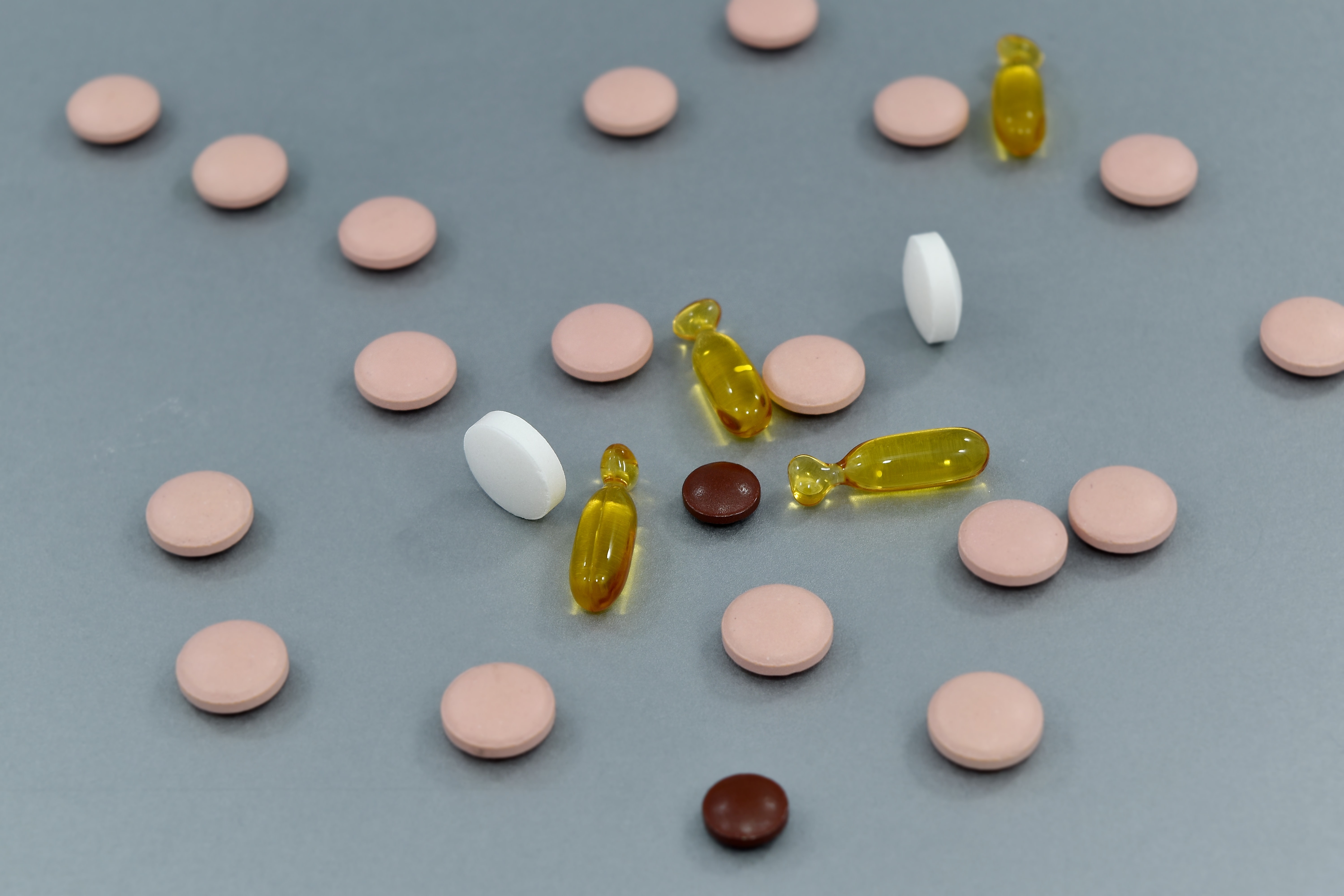
Arum, an all-natural dietary supplement, has been making waves in the wellness world. It's not every day that a product generates this much buzz. So, what's so special about Arum? It's a powerhouse of nutrients, brimming with essential vitamins and minerals that our bodies need to function optimally. Organic, safe, and easy to incorporate into your daily routine, it's no wonder Arum is quickly becoming the go-to supplement for health enthusiasts and fitness gurus alike.
Understanding the Origins of Arum
Arum isn't a new discovery. In fact, it has a rich history that dates back centuries. Originally found in the lush, diverse ecosystems of Eastern Asia, Arum has been a staple in traditional medicine for generations. The locals have always known about its remarkable health benefits and have used it to treat various ailments. Today, thanks to scientific advancements, we can harness the power of Arum and make it accessible to everyone.
How Arum Boosts Your Health
Arum is packed with a multitude of health-boosting properties. Its high antioxidant content helps combat free radicals in the body, reducing inflammation and preventing a number of chronic diseases. It's also an excellent source of dietary fiber, promoting gut health and aiding digestion. Furthermore, Arum is rich in essential vitamins and minerals like calcium, iron, and vitamin C, all of which contribute to overall well-being and vitality.
Incorporating Arum Into Your Daily Routine
Incorporating Arum into your daily routine is incredibly simple. It's available in various forms Top Stores Like CVS: Loyalty Programs capsules, powders, and even teas. You can easily mix it into your morning smoothie, sprinkle it on your lunchtime salad, or sip it as a soothing nighttime tea. The possibilities are truly endless, and the best part is that you can get creative and tailor its use to your personal preferences and lifestyle.
Scientific Research Supporting Arum's Benefits
Science stands firmly behind Arum's health benefits. Numerous studies have explored its potential in boosting the immune system, improving digestion, and even supporting mental health. These research findings not only validate centuries-old traditional practices but also provide a solid foundation for Arum's growing popularity in the wellness world. From professional athletes to everyday individuals seeking better health, Arum is proving to be a beneficial addition to any health regimen.
Customer Testimonials: Real People, Real Results
It's not just scientists and health experts who are raving about Arum. Countless customer testimonials speak volumes about its efficacy. People of all ages and walks of life are experiencing the transformative power of Arum. They're reporting increased energy levels, improved digestion, enhanced immunity, and a general sense of well-being. These real-life stories add a personal touch to the Arum narrative and are a testament to its health-boosting potential.
Unleashing Your Health Potential with Arum
Arum is more than just a dietary supplement. It's a way to reclaim your health, boost your vitality, and live your best life. As we navigate through the challenges of modern living, it's reassuring to know that nature has provided us with a solution like Arum. With its potent blend of nutrients and its proven health benefits, Arum is set to take the wellness world by storm. So why wait? Unleash your health potential with Arum today.