
المشاركات المكتوبة بواسطة Callum Brewis
Understanding Window Condensation: Causes, Effects, and Solutions
Window condensation is a typical yet often misinterpreted phenomenon that impacts homes and structures worldwide. The existence of moisture on window surface areas can cause different concerns, including damage to window frames, mold growth, and decreased energy performance. This post aims to offer a comprehensive overview of window condensation, exploring its causes, results, and prospective solutions.
What is Window Condensation?
Window condensation occurs when water vapor in the air comes into contact with a cooler surface area, such as glass. The air can hold just a specific amount of moisture at an offered temperature; when it cools, the vapor develops into liquid water, looking like beads on the window.
Types of Window Condensation
- Inside Condensation: This takes place on the interior side of the window, frequently due to high indoor humidity levels.
- Outside Condensation: RepairMyWindowsAndDoors This takes place on the exterior side, typically throughout the nighttime when temperature levels drop and moisture in the air decides on the glass.
- Between the Panes: This type is a sign of a failure in the window's seal, leading to moisture pooling between the double or triple glazing.
Reasons For Window Condensation
Understanding the reasons for window condensation can help property owners attend to the scenario effectively. The main factors include:
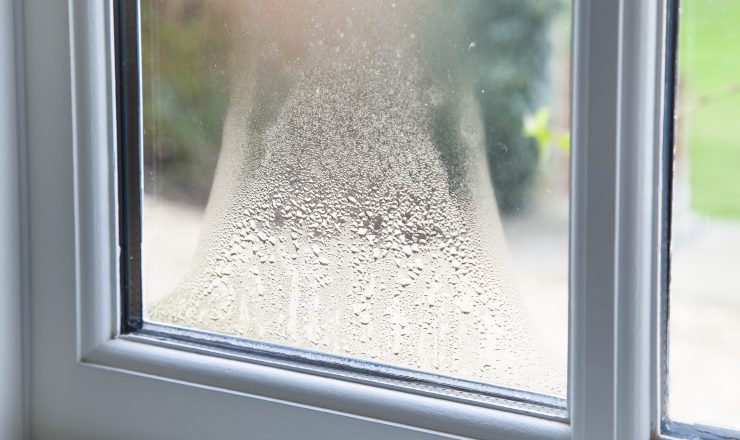
1. Humidity Levels
Indoor humidity levels are usually greater during the winter season months due to heating. Sources of moisture can consist of:
- Cooking
- Showering
- Houseplants
- Drying clothes inside
2. Temperature Difference
The significant distinction in between indoor and outdoor temperatures adds to condensation. When warm, humid air meets the cooler window surface, condensation takes place.
3. Insufficient Ventilation
Poor ventilation prevents moist air from getting away, leading to elevated levels of humidity. Locations like kitchens and restrooms require correct airflow.
4. Window Quality
Older windows or those with a broken seal are more prone to condensation. Modern double or triple-glazed windows are more efficient in avoiding this concern due to their insulation properties.
Effects of Window Condensation
While condensation may appear safe at first, it can cause a variety of issues:
- Mold Growth: Persistent moisture can promote mold growth, which can have unfavorable health effects, particularly for people with breathing issues.
- Damage to Window Frames: Wood frames are especially prone to rot and decay when exposed to prolonged moisture.
- Reduced Energy Efficiency: Condensation on windows suggests that heat is leaving the home, leading to higher energy costs.
- Clearness Issues: Excess moisture on the glass can block the view, impacting visual appeals and natural lighting.
Solutions to Window Condensation
To combat window condensation, homeowners can take a number of preventive procedures:
1. Control Indoor Humidity
- Use dehumidifiers in areas prone to excess moisture.
- Ensure ventilation systems (e.g., exhaust fans) are operating appropriately.
2. Enhance Air Circulation
- Keep air vents unobstructed.
- Open window coverings throughout the day to enable air to circulate around windows.
3. Upgrade Windows
- Consider setting up energy-efficient windows with enhanced insulation properties.
- Repair or replace windows with broken seals to avoid moisture buildup in between panes.
4. Adjust Thermostat Settings
- Keep consistent indoor temperature levels to lessen sudden temperature changes that can cause condensation.
5. Usage Storm Windows
- Install storm windows to minimize the temperature level distinction between the indoor and outside surface areas, consequently lessening condensation.
6. Regular Maintenance
- Check windows regularly for signs of wear and tear, along with for any possible leakages.
- Tidy window surfaces routinely to preserve clarity and minimize moisture build-up.
Condensation in Different Climates
Window condensation can vary considerably based on the environment in which the structure is located. Below is a contrast of how condensation issues manifest in various environments:
| Climate Type | Common Causes of Condensation | Recommended Solutions |
|---|---|---|
| Cold Climates | High indoor humidity from heating | Use exhaust fans in kitchens and restrooms; insulate windows |
| Warm Climates | High outside humidity levels | Use cooling effectively; weatherproof windows |
| Temperate Climates | Seasonal variations in humidity and temperature level | Regularly keep an eye on indoor humidity; usage dehumidifiers throughout wet seasons |
Frequently Asked Questions About Window Condensation
Q1: Is window condensation typical?
Yes, some level of condensation is regular, especially during temperature changes. However, consistent condensation might show underlying problems that require addressing.
Q2: Can condensation on windows harm my home?
Yes, extreme condensation can lead to mold development and damage to window frames and walls. It is vital to manage humidity and ventilation to reduce these risks.
Q3: How can I avoid window condensation?
To avoid condensation, control indoor humidity levels, guarantee appropriate ventilation, upgrade to energy-efficient windows, and keep a constant indoor temperature.
Q4: Is condensation on the outside of windows a problem?
Condensation on the exterior of windows is typically less worrying than that on the inside and is frequently a sign of temperature guideline. Nevertheless, if it causes water pooling, it may need attention.
Q5: When should I seek professional aid for window condensation?
If condensation is extreme, consistent, or results in significant damage or mold development, it is a good idea to speak with a professional for evaluation and solutions.
Window condensation is a natural occurrence influenced by elements such as humidity, temperature level, and ventilation. However, understanding its causes and possible threats enables property owners to take proper procedures to alleviate its impacts. By adopting proactive techniques and seeking professional guidance when necessary, people can preserve their windows and create a much healthier indoor environment.