Blog entry by Maynard Lardner
Navigating the World of Mobility Scooters: A Comprehensive Guide
In a period where mobility is progressively recognized as an essential element of quality of life, the need for assistive gadgets has risen. Amongst these, mobility scooters stand out as a flexible and empowering alternative for people with mobility obstacles. This detailed guide looks into the world of mobility scooters, offering insights into their types, benefits, buying considerations, and upkeep pointers.
Understanding Mobility Scooters
Mobility scooters are motorized lorries designed to help people with mobility concerns in moving more easily and independently. They are particularly advantageous for those who discover strolling challenging due to conditions such as arthritis, numerous sclerosis, or post-surgical recovery. Unlike manual wheelchairs, mobility scooters require very little physical effort, making them an excellent choice for extended usage.
Kinds Of Mobility Scooters
Three-Wheel Scooters
- Pros: More maneuverable, lighter, and much easier to keep.
- Cons: Less steady on rough terrain.
- Best For: Indoor and smooth outside surface areas.
Four-Wheel Scooters
- Pros: More steady, much better on rough surface, and can bring heavier loads.
- Cons: Bulkier and less maneuverable.
- Best For: Outdoor use, particularly in parks and on unequal surfaces.
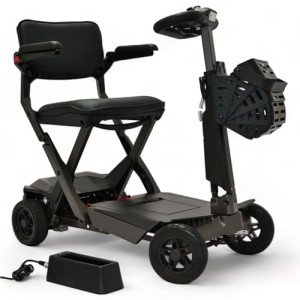
Portable Scooters
- Pros: Lightweight, collapsible, and easy to transport.
- Cons: Limited range and speed.
- Best For: Travel and periodic usage.
Durable Scooters
- Pros: Built to handle much heavier users and rugged environments.
- Cons: More pricey and less portable.
- Best For: Users over 300 pounds or those who need to navigate rough surface.
Standing Scooters
- Pros: Provide a standing position, which can be beneficial for users who can not sit for long periods.
- Cons: Limited stability and range.
- Best For: Users who choose standing and need short-distance help.
Benefits of Mobility Scooters
Enhanced Independence
- Mobility scooters allow users to take a trip longer ranges without fatigue, enabling them to get involved more completely in everyday activities and social events.
Improved Safety
- With functions like seat belts, anti-tip wheels, and brake systems, mobility scooters offer a more secure option to manual wheelchairs and strolling aids.
Convenience and Support
- Adjustable seats, backrests, and armrests ensure a comfortable ride, lowering the pressure on the user's body.
Cost-efficient
- While the initial financial investment can be considerable, mobility scooters are typically more cost-effective in the long run compared to frequent taxi trips or specialized transport services.
Social Inclusion
- Mobility scooters facilitate higher social interaction by enabling users to participate in community activities and preserve a more active lifestyle.
Factors to Consider When Buying a Mobility Scooter
User Needs and Abilities
- Assess the user's physical condition, mobility needs, and daily activities to figure out the most appropriate type of scooter.
Size and Weight Capacity
- Make sure the scooter can accommodate the user's size and weight easily and securely.
Variety and Speed
- Think about the common range and speed required for daily use. Some scooters have a variety of approximately 30 miles on a single charge.
Portability
- If travel is a priority, go with a portable scooter that can be easily dismantled and carried.
Maintenance and Support
- Select a trusted manufacturer that uses reputable customer support and maintenance assistance.
Budget
- Set a budget and explore alternatives that provide the best value for money. Consider funding choices and potential insurance coverage.
Upkeep Tips for Mobility Scooters
Routine Cleaning
- Clean the scooter frequently to prevent dirt and particles from impacting its performance. Use a soft fabric and mild cleaning agent.
Battery Maintenance
- Follow the manufacturer's standards for battery charging and upkeep. Regularly examine the battery level and prevent deep discharges.
Tire Inspection
- Examine the tires for wear and correct inflation. Replace or repair as needed to make sure a smooth and safe ride.
Lubrication
- Oil moving parts such as the chain and gears to decrease friction and avoid wear.
Professional Servicing
- Schedule routine expert servicing to address any concerns and guarantee the scooter stays in optimal condition.
FAQs About Mobility Scooters
Are mobility scooters covered by insurance coverage?
- Some insurance strategies, consisting of Medicare, may cover the cost of mobility scooters under certain conditions. Examine with your provider for specific information.
Can I use a mobility scooter inside your home?
- Yes, numerous mobility scooters are developed for both indoor and outdoor usage. Ensure the scooter appropriates for the type of surfaces you will be browsing.
How quick can mobility scooters go?
- The speed varies by design, but the majority of mobility scooters have an optimal speed of 4 to 8 miles per hour.
Do I require a license to operate a mobility scooter?
- In a lot of countries, a license is not required to run a mobility scooter. Nevertheless, it is essential to follow regional regulations and traffic laws.
Can I travel with a mobility scooter?
- Lots of mobility scooters are designed to be portable and can be disassembled for travel. Talk to airlines and transport companies for specific requirements.
buy mobility Scooter (git.ledoen.top) scooters are a transformative tool for people with mobility challenges, offering a mix of independence, safety, and convenience. By understanding the different types of scooters, considering crucial buying factors, and following upkeep best practices, users can maximize their mobility scooter and lead a more active and fulfilling life. Whether for everyday commutes or leisurely getaways, a well-chosen mobility scooter can be a valuable companion on the journey to enhanced mobility and lifestyle.