
Blog entry by Ilse Badger
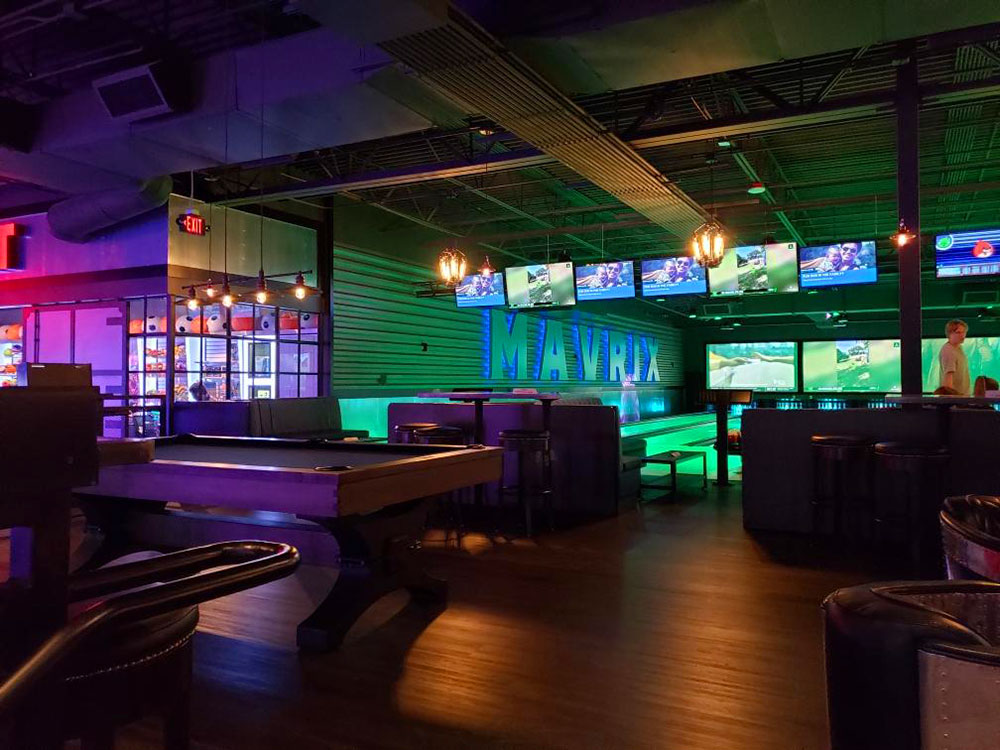
Britain’s Pre-War Glow Problem Strange but true: while Europe braced for Hitler’s advance, Parliament was wrestling with the problem of neon interfering with radios. Labour firebrand Gallacher, rose to challenge the government. Were neon installations scrambling the airwaves? The reply turned heads: the Department had received nearly one thousand reports from frustrated licence-payers. Picture it: the soundtrack of Britain in 1938, neon lights interrupted not by enemy bombers but by shopfront glow.
The Minister in charge didn’t deny it. But here’s the rub: there was no law compelling interference suppression. He spoke of a possible new Wireless Telegraphy Bill, but admitted consultations would take "some time". Which meant: more static for listeners. Gallacher pressed harder. People were paying licence fees, he argued, and they deserved a clear signal. From the backbenches came another jab. Wasn’t the state itself one of the worst offenders?
Tryon deflected, saying yes, cables were part of the mess, which only complicated things further. --- From today’s vantage, it feels rich with irony. In 1939 neon was the villain of the airwaves. Fast forward to today and it’s the opposite story: the once-feared glow is now the heritage art form begging for protection. --- So what’s the takeaway? Neon has always been political, cultural, disruptive. It’s always pitted artisans against technology.
In truth, it’s been art all along. --- The Smithers View. We see the glow that wouldn’t be ignored. So, yes, old is gold. And that’s why we keep bending glass and filling it with gas today. --- Forget the fake LED strips. Real neon has been debated in Parliament for nearly a century. If neon got MPs shouting in 1939, it deserves a place in your space today. Choose craft. We make it. ---
When you cherished this article and you would want to acquire more details relating to VibeLight Displays i implore you to check out our page.