
Blog entry by Deborah Astley
Understanding UPVC Windows and Doors: A Comprehensive Guide
UPVC (Unplasticized Polyvinyl Chloride) windows and doors have actually garnered significant attention over the previous couple of decades, becoming a popular choice among house owners and builders alike. Known for their resilience, energy performance, and low maintenance requirements, UPVC products offer a number of benefits over traditional products like wood or metal. This post will look into the advantages, features, installation procedures, and maintenance pointers associated with UPVC windows and doors.
What is UPVC?
UPVC stands for Unplasticized Polyvinyl Chloride, a type of stiff plastic that is typically utilized in building and construction. Unlike PVC, UPVC does not contain plasticizers, making it more robust and long lasting. This product has ended up being a staple in the window and door market due to its residential or commercial properties such as weather condition resistance, thermal insulation, and soundproofing capabilities.
Key Features of UPVC Windows and Doors
Before considering UPVC windows and doors, it's important to understand their crucial features:
1. Sturdiness and Longevity
UPVC items are resistant to rot, deterioration, and fading. Unlike wood, they do not warp or crack due to weather changes, ensuring years of trouble-free use.
2. Energy Efficiency
UPVC doors and windows boast exceptional insulation residential or commercial properties, decreasing energy expenses by decreasing heat transfer. This can lead to a more comfy indoor environment and significant cost savings on cooling and heating costs.
3. Low Maintenance Requirements
One of the piece de resistances of UPVC is its low upkeep nature. Cleaning up includes simply soap and water, without any requirement for painting or sealing.
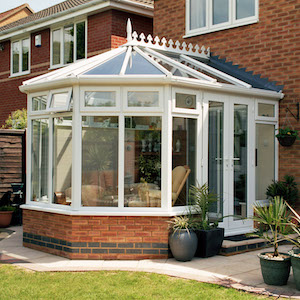
4. Security Features
Modern UPVC windows and doors come equipped with innovative locking systems and multi-point locks, enhancing the security of homes.
5. Aesthetic Flexibility
UPVC windows and doors are readily available in various designs, colors, and finishes, permitting homeowners to select designs that complement their architecture.
6. Ecologically Friendly
UPVC can be recycled without losing its structural residential or commercial properties, contributing favorably to ecological sustainability.
Table: Comparison of UPVC with Other Materials
| Feature | UPVC | Wood | Aluminum |
|---|---|---|---|
| Toughness | High | Moderate | High |
| Energy Efficiency | Excellent | Moderate | Excellent |
| Upkeep Level | Low | High | Moderate |
| Cost | Cost-efficient | More Expensive | Moderate to Expensive |
| Visual Options | Comprehensive | Natural Variations | Modern Appeal |
| Environmental Impact | Recyclable | Eco-friendly (but not recyclable) | Recyclable (but energy-intensive) |
Installation Process for UPVC Windows and Doors
The installation of UPVC windows and doors is an important process that needs precision and proficiency. Here is a detailed guide:
- Measurement: Accurate measurements are vital for picking the right-sized UPVC window or door.
- Elimination of Old Windows/Doors: If changing, the old windows or doors need to be thoroughly gotten rid of to avoid damaging the surrounding walls.
- Preparation of the Opening: Ensure that the opening is tidy, dry, and structurally noise. Check for leakages or drafts that might cause issues.
- Installation of Window/Door Frame: The UPVC frame is suited the opening, guaranteeing it is leveled and plumb.
- Sealing: A suitable sealant, normally silicone-based, is used around the space between the frame and the wall to prevent air and water seepage.
- Fitting Windows/Doors: The glazing systems are contributed to the frames, and doors are hung utilizing appropriate hinges.
- Final Checks: Operate all windows and doors to ensure they open, close, and lock efficiently. Examine for any spaces or leaks.
Upkeep Tips for UPVC Products
Preserving UPVC windows and doors is simple and requires minimal effort. Here are some key upkeep pointers:
- Clean Regularly: Use warm, soapy water to clean the frames and glass a minimum of twice a year.
- Check Seals and Gaskets: Regularly examine the seals and gaskets for any signs of wear and tear. Change if necessary.
- Lube Locks and Hinges: Apply a silicone spray lubricant to locks and hinges to maintain smooth functionality.
- Clear Drainage Slots: Ensure that drain slots (if present) are devoid of particles for reliable water expulsion.
Often Asked Questions (FAQs)
Q1: Are UPVC windows energy-efficient?
Yes, UPVC windows have outstanding insulation residential or commercial properties, considerably minimizing heat loss during winter and keeping homes cool in summertime, contributing to lower energy expenses.
Q2: Do UPVC windows come with a warranty?
Many UPVC window manufacturers provide service warranties that generally vary from 5 to 20 years, covering manufacturing flaws and efficiency.
Q3: Can UPVC windows be painted?
It's normally not recommended to paint UPVC windows as it can void warranties. Instead, think about picking a color that fits your home when buying.
Q4: Are UPVC doors secure?
UPVC doors come with multi-point locking systems that provide improved security. They are often evaluated to meet stringent security requirements.
Q5: How long do UPVC windows and doors last?
With proper maintenance, UPVC windows and doors can last for 20 to 30 years or perhaps longer.
UPVC doors and windows use a resilient, energy-efficient, and low-maintenance solution for modern-day house owners. With their numerous styles and advanced functions, they are not just practical however also boost the aesthetic appeal of homes. Comprehending their benefits and appropriate setup approaches is crucial for making informed decisions. Whether thinking about new installations or replacements, UPVC products can supply lasting value and comfort.
In an age where sustainability and cost-effectiveness are critical, UPVC doors and windows continue to be a preferred choice, contributing positively to both private livelihoods and more comprehensive ecological goals.